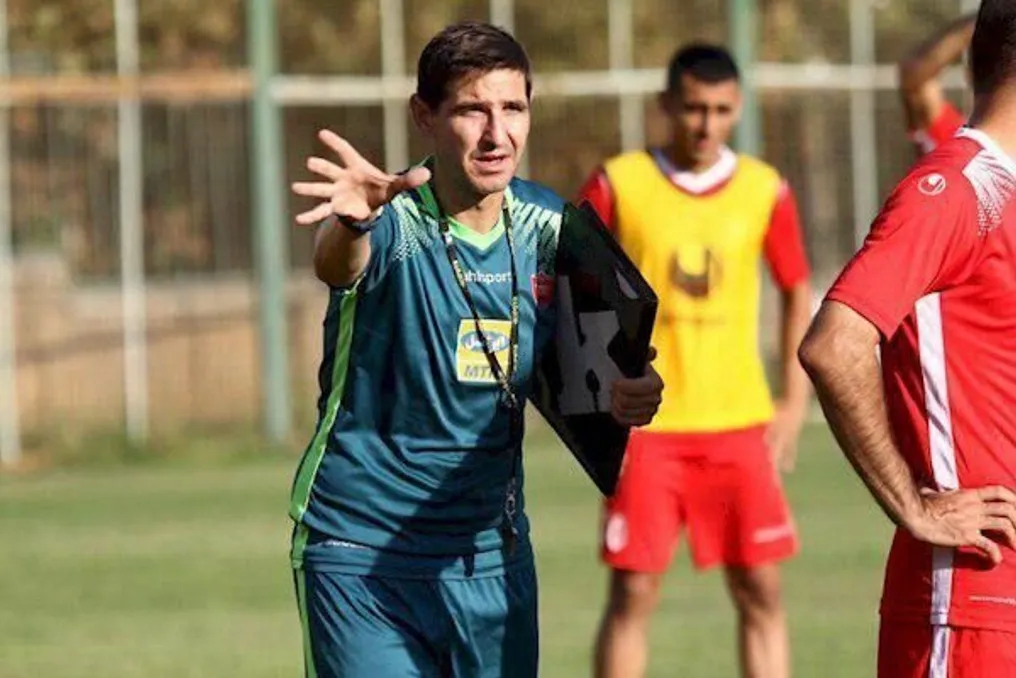
Spanish coach Joaquin Gil is preparing to arrive in Iran on Sunday to join the coaching staff of Esteghlal club.
Spanish coach Joaquin Gil is preparing to arrive in Iran on Sunday to join the coaching staff of Esteghlal club.
Gil has become the main candidate for the assistant position to Sohrab Bakhtiarizadeh, and reports indicate that negotiations have already taken place between the parties and an agreement has been reached.
According to the current plan, after arriving in Tehran on Sunday and signing the contract, Gil will begin attending the training sessions of the 'Blues' team.
Currently, Bakhtiarizadeh's coaching staff includes Turkish coach Ozkan Bizati and former Esteghlal player Milad Meydavoudi.
Gil's arrival will strengthen Esteghlal's technical team by adding another international specialist as the Tehran giant continues its preparation for the upcoming season.
Iran and Iraq decided to strengthen their strategic cooperation during the first official visit of Iraqi Prime Minister Ali Faleh Al-Zaydi to Tehran. Numerous cooperation agreements were signed during the visit, and both countries reaffirmed their commitment to expanding economic integration, political coordination, and regional interaction.
Al-Zaydi arrived in Tehran on Thursday as part of a high-level delegation at the invitation of the Iranian government. He was met by Iran's Minister of Economy and Finance, Ali Madanizadeh, which many believe underscored the strong economic focus of this visit. The reception by the Minister of Economy, rather than a senior diplomat or security official, clearly demonstrated the main purpose of the trip.
Despite some media speculation that the Iraqi Prime Minister was delivering a message from Washington to Tehran, the visit was primarily focused on enhancing bilateral economic cooperation, which was further confirmed by the signing of numerous agreements during the trip.
Nevertheless, the economic agenda was only one pillar of the visit. Discussions between high-ranking officials also covered regional events, bilateral political relations, and security cooperation, reflecting the increasingly comprehensive nature of the partnership between Tehran and Baghdad.
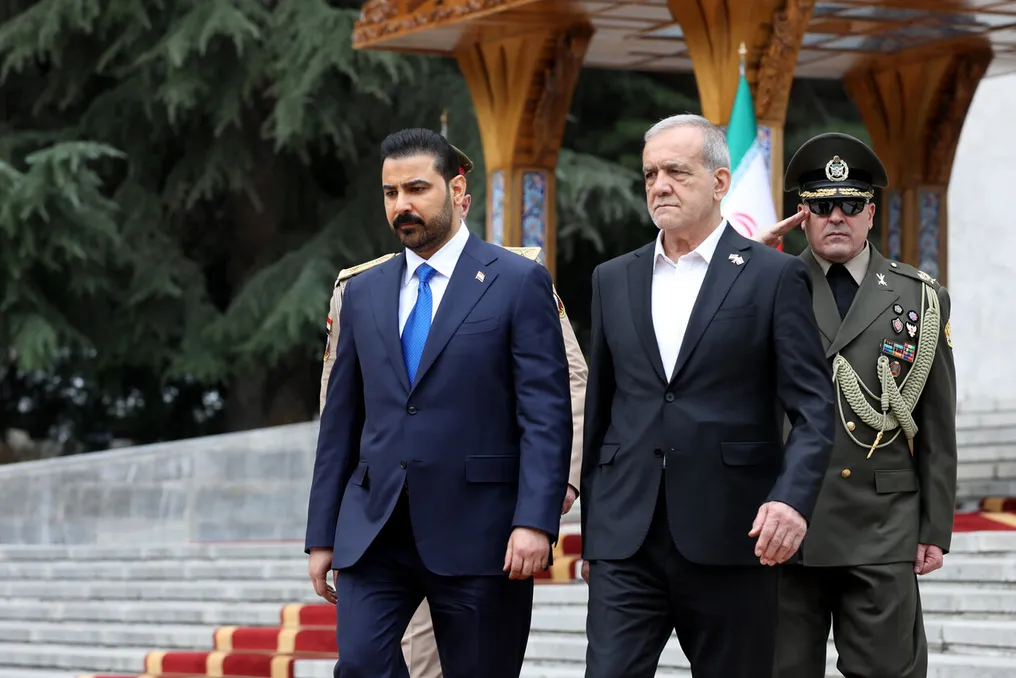
President Masoud Pezeshkian officially welcomed Al-Zaydi at the Saadahbad Cultural and Historical Complex in Tehran, where the leaders held private talks before meeting with their respective high-level delegations.
During the discussions, the sides reaffirmed the deep historical, cultural, and religious ties uniting the neighboring states, calling these long-standing bonds the foundation for expanding strategic interaction in various sectors. Pezeshkian and Al-Zaydi emphasized the need to accelerate the implementation of existing bilateral agreements, calling for closer coordination on political issues, trade, investment, energy, transport, transit, and regional diplomacy.
They agreed that opening new avenues of cooperation is a strategic necessity capable of contributing to the stability, security, and economic prosperity of both countries and the entire region.
Al-Zaydi's visit also included meetings with other high-ranking Iranian officials who are not part of the executive branch, highlighting the multifaceted nature of the bilateral relations. During talks with Parliament Speaker Mohammad Bakher Ghalibaf, both sides noted that strengthening cooperation between Tehran and Baghdad could significantly contribute to solving regional problems and strengthening stability in the Islamic world.
Ghalibaf thanked the government and people of Iraq for holding the funeral ceremonies for the late Leader of the Islamic Revolution, Ayatollah Sayyid Ali Khamenei, in several Iraqi cities, and also expressed gratitude for Iraq's preparation to host millions of Iranian pilgrims during the upcoming Arbaeen pilgrimage. He also named Israel as a common threat to Muslim nations, stating that closer strategic coordination between Iran and Iraq would help maintain unity in the Islamic world.
For his part, Al-Zaydi characterized Iran and Iraq as 'strategic partners with a common destiny,' noting that the participation of Iraqi officials and citizens in the funeral ceremonies reflected a sense of religious and historical responsibility, rather than political symbolism.
The Iraqi Prime Minister also met with the head of the judicial system, Golamhosein Mohseni Ejji, who confirmed that Iran's relations with neighboring countries are based on friendship, cooperation, and mutual respect. Ejji called for expanding judicial and legal interaction between Tehran and Baghdad, including implementing existing agreements, strengthening legal exchange, sharing experience in combating corruption, and improving cooperation on extradition and judicial matters.
Emphasizing that Iran shows no hostility towards its neighbors, the head of the judiciary also reiterated Tehran's position on the right to respond to military attacks originating from territories where foreign troops are stationed. Al-Zaydi welcomed closer judicial cooperation and discussed broader bilateral and regional issues during this meeting.
The first official visit of the Iraqi Prime Minister to Tehran demonstrated a sustained expansion of Iranian-Iraqi relations beyond traditional political and defense spheres. Although economic cooperation became a central element of the visit, extensive discussions on regional diplomacy, parliamentary coordination, judicial interaction, and strategic issues reflected the general determination of both governments to build a broader long-term partnership covering almost all major areas of bilateral interaction.