In observance of Women's Month in South Africa, rights defenders insist that support must begin with attentive listening, acknowledging survivors' words, and providing women experiencing violence with safe places to receive help.
Women's Month traditionally serves as a time to celebrate the resilience, achievements, and contributions of women to their families, workplaces, and communities. However, this period also presents an opportunity to reflect on the importance of providing women with access to understanding, support, and safe conditions when life becomes difficult.
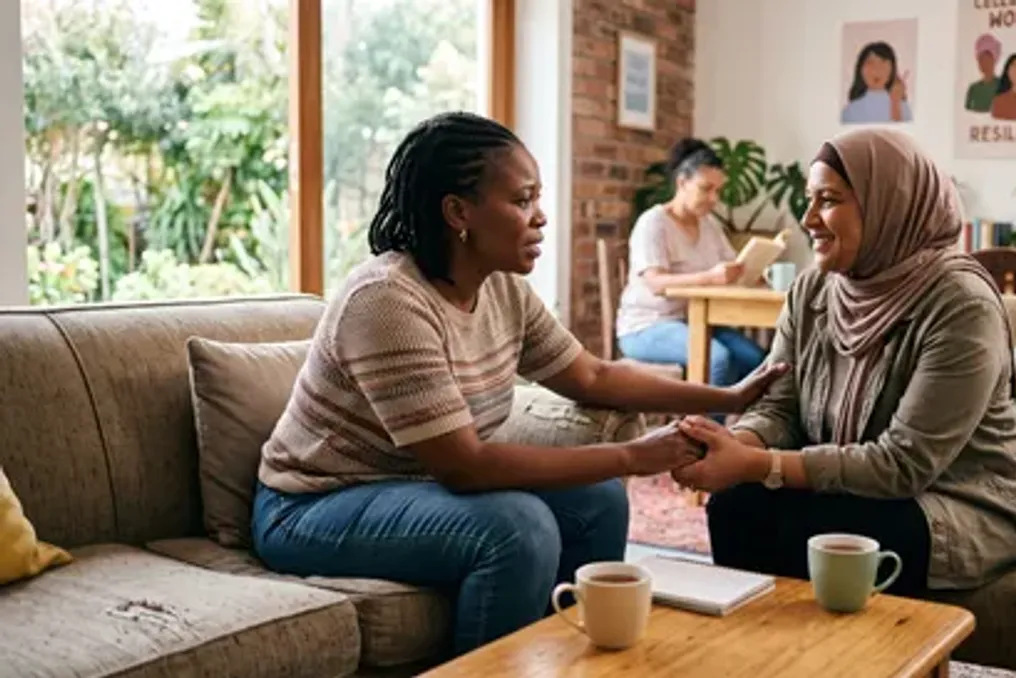
For many women, the necessary help can start with a simple act of care—a friend who shows interest, a family member who listens without judgment, or someone who reminds them that they should not face their difficulties alone.
The situation becomes significantly more complicated for women who experience gender-based violence. Sabrina Walter, founder of Women For Change, noted in an interview with IOL News that many women suffering from violence remain silent due to fear, isolation, and uncertainty, which prevents them from seeking help.
Walter emphasized: 'When someone experiences gender-based violence, they often live in constant fear and do not feel safe enough to tell their story or ask for help.' She added that many survivors isolate themselves from friends and family, while others face financial control, emotional manipulation, or the fear that leaving abusive relationships could put them in even greater danger.
'One of the most dangerous moments for a woman in an abusive relationship is when she decides to leave,' stated Walter. According to her, access to a safe and supportive environment gives women the ability to speak openly, think clearly, and begin planning next steps without immediate fear.
She also noted that for many survivors, the first step toward healing is simply knowing that someone believes in them. 'We see this every day when survivors reach out to Women For Change because they feel there is nowhere else to turn. For many, it is the first time someone says, 'I believe you, and you are not alone.' These words can be the beginning of a survivor's journey toward safety and healing,' said Walter.
Walter refuted the common misconception that women choose not to leave abusive relationships. She explained that, in reality, leaving is often the most dangerous period in such relationships. Many women face serious obstacles, including financial dependence, concerns about children, lack of transportation, and uncertainty about where they will go after leaving.
'Leaving should never mean choosing between violence and homelessness,' Walter stressed. She pointed out that for too many women in South Africa, this is a reality due to a shortage of shelters and places they can go when needed.
Beyond practical issues, survivors face other barriers. Many have lost trust in institutions that are supposed to protect them after previous experiences with the police, courts, or other support services. Others fear judgment or continue to carry the emotional trauma caused by the violence. Therefore, in Walter's view, it is crucial that support services are always survivor-centered, meet women where they are without judgment, and recognize that every survivor's path is unique.
Despite shelters and organizations continuing to provide vital support, demand continues to exceed available resources. Walter noted that while many incredible shelters exist, the reality is that the need significantly outweighs the available means. She added that women need more than just emergency housing to rebuild their lives; long-term accommodation options are required, as healing and rebuilding life do not happen in three months.
Walter also called for closer coordination between the police, medical facilities, shelters, and social workers to facilitate survivors' access to support. This would prevent them from having to recount their story repeatedly while navigating different systems. Furthermore, she stated that organizations assisting survivors need sustainable funding, as they cannot be expected to respond to what is classified as a national crisis without the necessary resources to address this human rights crisis.
The need for accessible support is reflected in the Women For Change Survivors Support Line on WhatsApp, which has received over 30,000 messages since its launch in April. Walter concluded that this indicates two things: women are asking for help, and they are willing to reach out when support is available. She emphasized that ensuring access to help is everyone's responsibility. In closing, marking Women's Month in South Africa, Walter believes that celebrating women should also mean creating communities where they feel respected, supported, and safe, and sometimes this begins with a simple conversation or attentive listening.