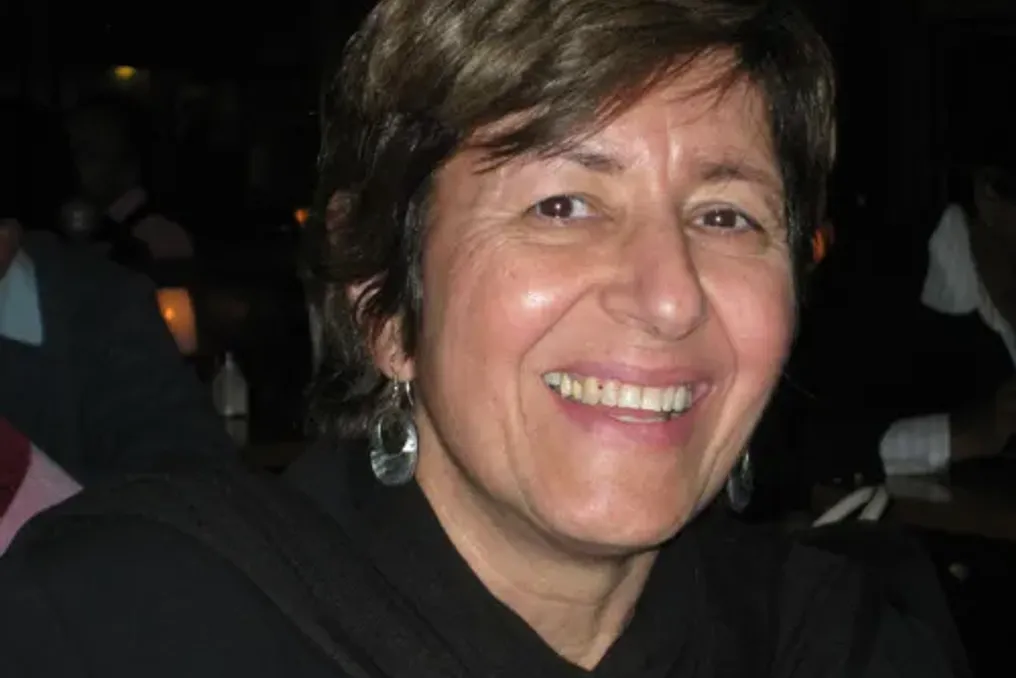
Health advocate Hutjo Motimele and clinical psychologist Dr. Keitumetse 'Tumi' Mashego urge women during Women's Month to prioritize mental health, self-care, and overall well-being.
Health advocate Hutjo Motimele and clinical psychologist Dr. Keitumetse 'Tumi' Mashego urge women during Women's Month to prioritize mental health, self-care, and overall well-being.
Mental health specialists emphasize that women should not wait for a crisis situation to seek help. On International Women's Day, they strongly recommend integrating therapy and emotional well-being into their regular self-care routines.
In observance of Women's Day in the country, women are advised to concentrate on their general state of health, including physical activity, mindfulness, therapy, self-help, and emotional balance.
Dr. Keitumetse 'Tumi' Mashego, a clinical and sports psychologist, told IOL that well-being provides women with the opportunity to have a reliable confidant and an objective mirror focused on their best interests. She noted that having such a supportive companion helps develop self-awareness, which is an important life skill.
Mashego, who is also a performance and life coach, explained that the understanding of well-being among women is transforming: it is moving away from traditional notions based on appearance and fitness toward a more comprehensive focus on mental health, community, balance, and sustainable self-care.
She described how the concept of self-help has changed: it now includes mental health interventions, comprehensive physical check-ups, and acknowledging conditions previously considered 'normal,' such as perimenopause, menopause, dysmenorrhea (painful menstrual cycles), the cost and accessibility of menstrual hygiene products, fibroids, and endometriosis.
Furthermore, self-help now encompasses inner work, which involves prioritizing self-care, taking breaks, setting boundaries at work and in personal life, developing small daily habits outside of roles performed in personal or professional settings, and establishing clear limits.
Mashego listed the most common mental health issues faced by women: anxiety, depression, burnout from work and personal responsibilities like motherhood, the effects of imposter syndrome, low self-esteem, unhealthy relationships, and poor boundaries. She also warned about stress that can exacerbate physical illnesses.
"Unfortunately, women are at a higher risk of various forms of violence (workplace violence, ranging from sexual assault and bullying to 'downsizing' by colleagues, as well as domestic violence, such as financial, emotional, sexual, etc.) and its consequences," stated Dr. Keitumetse 'Tumi' Mashego.
She stressed that communication and social connections remain a vital part of emotional well-being, as humans are naturally inclined towards some form of connection, and the sense of belonging through community plays a significant role.
Mashego refuted two misconceptions about self-help: first, that it is not a priority or is only intended for certain people; and second, that it concerns only external events, ignoring inner work and emotional state. She also mentioned the stigmatization of seeking mental health help, where people are often judged as 'crazy' or 'weak,' increasing the burden for those already struggling.
For 32-year-old Hutjo Motimele from Mankwenga, Limpopo, deciding to put her well-being first was the result of a deeply personal journey that began in 2025. She shared that years of battling health issues, starting in childhood, continued into adulthood and affected her daily life. This experience became the motivation for a serious approach to her well-being, therapy, and self-care, starting in early 2025.
However, the path to better health was not without difficulties. The hardest moments were cravings and attempts to fit into even others' homes. Nevertheless, self-help taught her to accept her own health journey without comparing herself to others. She noted that the most significant changes came from incorporating natural herbs, food spices, and supplements into her lifestyle.
Motimele urged women to put themselves and their well-being first, advising: "It is important to fill your own cup before pouring it into others'... Otherwise, they will always be knocking on doctors' doors when they could heal from within." She advised beginners to simply start with what they have, turning it into a lifestyle rather than a temporary practice, emphasizing that nutrition, habits, environment, and associations must contribute to becoming a better person.
Hutjo Motimele, founder of Pebetse Health and Wellness Spa, said that her personal experience inspired her to help others embrace self-care without societal pressure. She opened her spa in August 2025, motivated by a desire for people to feel comfortable and love themselves healthily, without conforming to societal standards.
In conclusion, Mashego recommended practical steps for maintaining good mental health, including finding a registered mental health professional for regular consultations. She insisted that such support should be part of continuous emotional well-being, not just a reaction to a crisis. Regular self-reflection helps prevent the deterioration of mental state and understand one's blind spots, promoting the development of emotional intelligence and self-control, which is critically important in both personal and professional life. She also advised focusing on holistic well-being, developing hobbies outside of obligations, and shaping a personality that extends beyond work and family roles.
For many generations, women have been valued for their resilience, for uniting families, supporting communities, and overcoming difficulties. Even the proverb 'Wathint' abafazi, wathint' imbokodo' ('A blow to a woman is a blow to a stone') reflects this strength.
However, behind this strength are women who often silently bear emotional, physical, and mental burdens. During Women's Month, mental health experts remind us that self-care is not selfishness, but a vital component of maintaining well-being.
In a society where many women juggle careers, childcare, caregiving responsibilities, financial pressure, and personal problems, psychologists consider self-help an indispensable tool for preventing burnout and protecting mental health.
The Psychological Society of South Africa (PsySSA) emphasizes the importance of psychological well-being and promoting mental health practices that address the realities faced by South Africans. Mental health advocates note that women are often conditioned to prioritize the needs of others over their own.
The expectation to conform to the image of being 'strong' can lead women to ignore signs of emotional exhaustion, stress, or distress until they reach a critical point. Many mistakenly believe that self-care means expensive treatments, vacations, or luxuries. Nevertheless, psychologists assert that it often lies in simple daily actions that promote emotional balance.
Such actions include setting boundaries, ensuring adequate rest, maintaining healthy relationships, dedicating time to enjoyable activities, seeking support, and recognizing the need for professional help. Although self-help practices may differ for each woman, psychologists recommend small, regular steps that support physical and emotional condition.
These steps can include getting enough sleep, maintaining a healthy routine, exercising, spending time in nature, practicing mindfulness, journaling, communicating with supportive friends and family, setting healthy boundaries, allocating time for hobbies, attending medical check-ups, taking guilt-free breaks, and seeking professional consultation when difficulties become overwhelming. Experts warn that ignoring personal needs can contribute to chronic stress, emotional fatigue, and feelings of depression. Self-help is not about striving for perfection, but about creating space for recovery and acknowledging one's own needs.
August, observed as International Women's Month, underscores the urgent need for gender equality and the empowerment of women. The author examines how these principles are key to transforming society and establishing global peace.
International Women's Month in August draws more attention to the necessity of providing women with their rightful place in society. Empowering women and achieving equality between men and women is critically important not only for women themselves but also for the transformation of communities and the creation of a just, harmonious, and peaceful world.
According to the Baháʼí International Community, women play a crucial role in social transformation toward a more just, peaceful, and equitable world when they are given the opportunity to participate significantly in all spheres of life.
Societal progress depends on the full participation of every individual. For this, women must have equal opportunities in all areas of human endeavor. Equality must be maintained both at home and in the workplace, as well as in local communities. Achieving this goal requires a change in the views, attitudes, and behavior of both women and men.
Baháʼí writings assert that the human world has two wings—the male and the female. Until these two wings are equal in strength, the bird cannot fly. As long as the female sex does not reach the same level as the male, as long as it does not receive the same arena for activity, humanity cannot achieve outstanding accomplishments; humanity cannot rise to the heights of true achievement.
Adopting the principle of gender equality is a vital necessity for communities to utilize the contribution of women and involve them in solving the problems facing humanity.
From a Baháʼí perspective, it is only when women are allowed to participate in all aspects of human activity that the moral and psychological climate necessary for peace to arise and for a unified world civilization to develop and flourish is created. Baháʼí writings state: '...when perfect equality between men and women is established, peace may be achieved for a simple reason, that the female sex as a whole will never be inclined to war. Women will not allow those they love so dearly to go to the battlefield' and 'when women participate fully and equally in world affairs... war will cease.'
Equality between men and women does not mean identity of functions, however, functional differences do not imply superiority. The Universal House of Justice, the international governing body of the Baháʼí Faith, states that 'Equality between men and women does not, in fact, mean identity of functions from a physiological point of view. In some things women surpass men, in others men are better than women, and in many things the difference in field makes no difference.'
The Universal House of Justice further asserts that '...the equality of men and women is a universal spiritual truth about an aspect of the nature of human beings... Above all, it is a requirement of justice. This principle is consistent with the highest virtue of conduct, its application strengthens family life and is a necessary condition for the revival and progress of any nation, peace in the world and the development of civilization.'