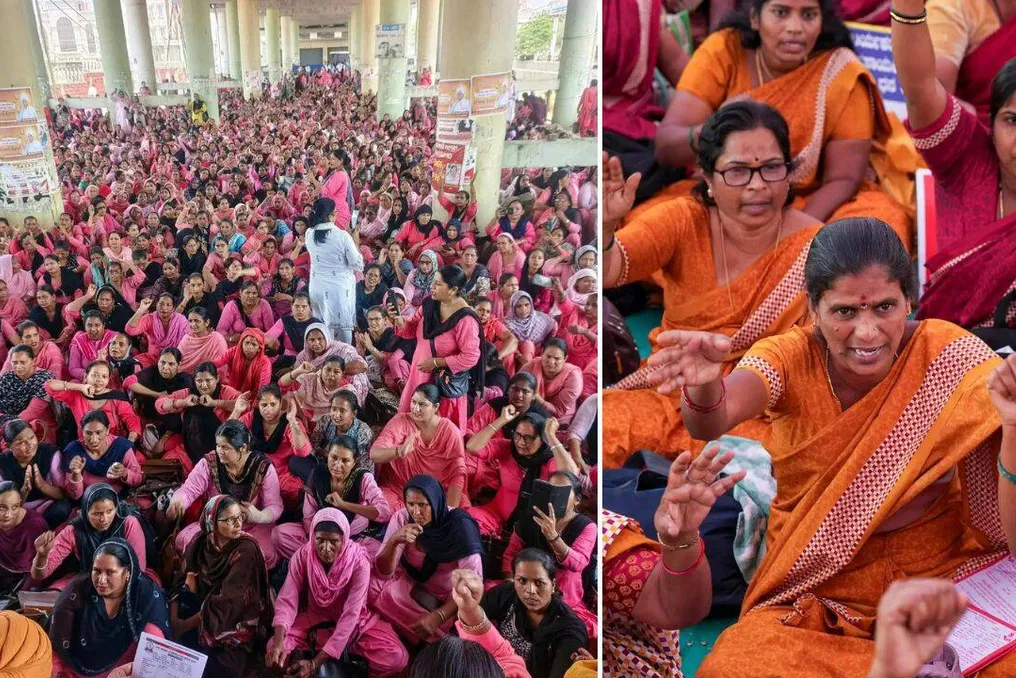
Women's Day in South Africa, celebrated on August 9th, is the result of a collective movement and expression led and supported by women themselves. The annual Women's Day, recognized both nationally and internationally (March 8th), aims to promote more equitable societies where women can live, lead, and thrive as equals.
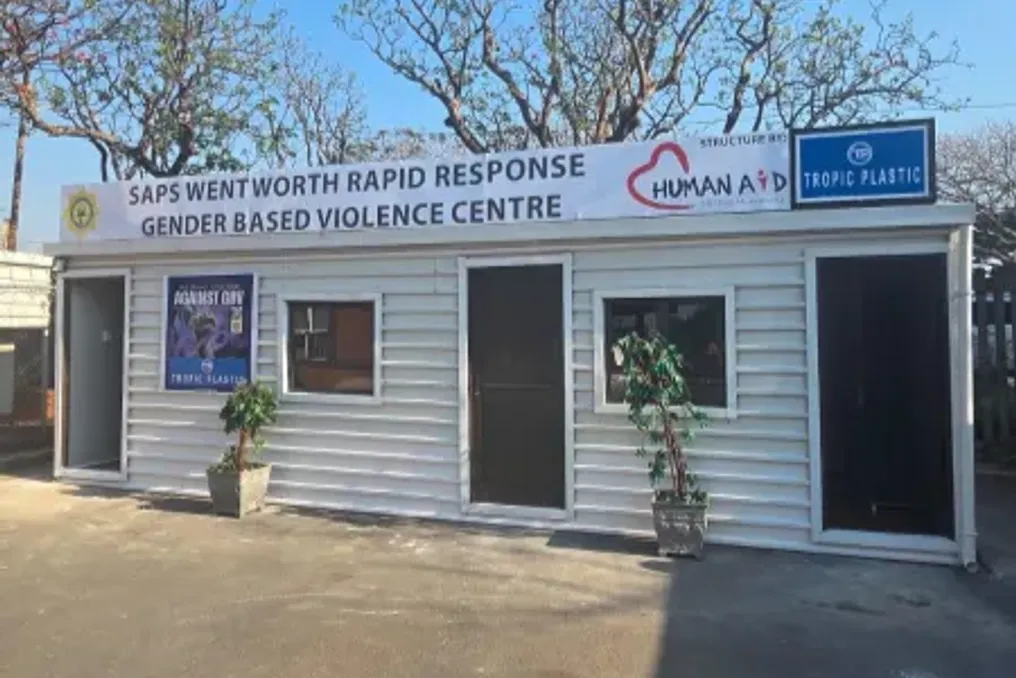
Discussions surrounding Women's Day can sometimes seem superficial or bleak. Many annual reflections focus on the issues that women and girls in South Africa continue to face, such as partner violence, gender-based violence, harassment, and workplace discrimination, as well as obstacles to education and employment.
These critical issues affect the physical and psychological safety of women, as well as their ability to contribute to societal and economic development. However, to realize women's potential in society, it is necessary to look beyond these risks and barriers and consider other social changes needed for women and girls to truly flourish.
One initial step is recognizing the central and often unseen role women play in maintaining broader ecosystems of care and support. Many women carry numerous responsibilities—they are primary breadwinners, mothers, caregivers, colleagues, and crisis managers. In South Africa, thousands of such women do this under conditions of chronic stress and financial hardship.
While this observation is not new, the subtle ways unequal norms and practices manifest are rarely discussed. The mental load associated with caregiving, as well as the uneven distribution of domestic duties and responsibilities, often begins early when girls absorb messages and expectations about how they should participate in family and societal life. Opportunities for play, exploring interests, and enjoying childhood in a safe and supportive environment are crucial for both girls and boys, but they are not always realized.
Throughout the life cycle, we also observe how many of these roles are passed down to the second generation, as mothers become grandmothers and repeat many of the same caregiving and support roles for their children's children. While multi-generational care models are often vital for maintaining households, they can also create an additional burden for women who have performed these roles for decades, and contribute to intergenerational tensions among younger household members.
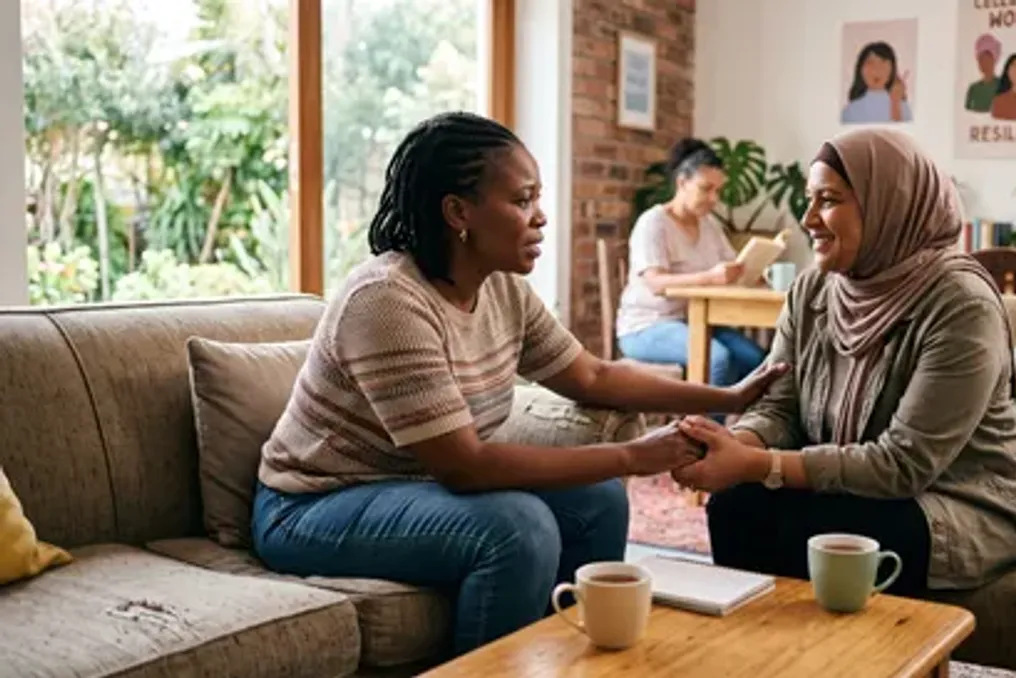
These dynamics are not merely anecdotal; our own research confirms this. A team from the University of Stellenbosch Health Life Cycle Research Institute conducted joint interviews with adolescent mothers living with HIV and elderly women from their families in rural Eastern Cape to better understand their experiences of early, unintended motherhood. Through interactions with mothers, sisters, and grandmothers, these intergenerational conversations fostered mutual understanding and compassion, the exchange of personal stories, and the formulation of future hopes.
Such conversations should be encouraged not only among women. Another priority is involving boys and men in discussions about social change and gender expectations, providing them space to reflect on these differences and make positive contributions. It is worth noting that when given this opportunity, boys and men often show a willingness to participate in these conversations.
A series of dialogues called 'Conversations / Iincoko' (in isiXhosa) was recently held with children and youth aged 7 to 24 in Heylwood, bringing together boys and girls of similar ages to discuss their current realities and future aspirations. These sessions revealed many common interests, priorities, and challenges, including reflections on absent fathers and male role models. By creating spaces for boys and girls to interact, delve into complex topics, and express vulnerability, such dialogues can be a useful first step in building meaningful connections and reducing the gender gap that seems to widen as children grow up.
Even while acknowledging these relationships and responsibilities, we must pay equal attention to women as individuals, not just through the roles they play for others. The collective spirit of Women's Day in South African history can sometimes overshadow this individuality. Despite the importance of recognizing the relationships and systems in which women make and sustain critical contributions, there is an urgent need to see women as individuals from the outset.
In educational, community, and online platforms, this imperative must include providing accessible opportunities for women to develop leadership skills and participate in events that allow their unique voices to be heard and their ideas to be valued. We know that supporting women yields tangible benefits for public health and well-being, considering all that women already do. Structural barriers, invisible care work, intergenerational relationships, and individual recognition are not separate topics for discussion; all of this is part of what women will need to truly thrive.
Beyond flowers or greetings on Women's Day, those who support, live with, and work with women can make small commitments to recognizing these unequal realities and begin some of these important changes through dialogue, acknowledgment, and action.