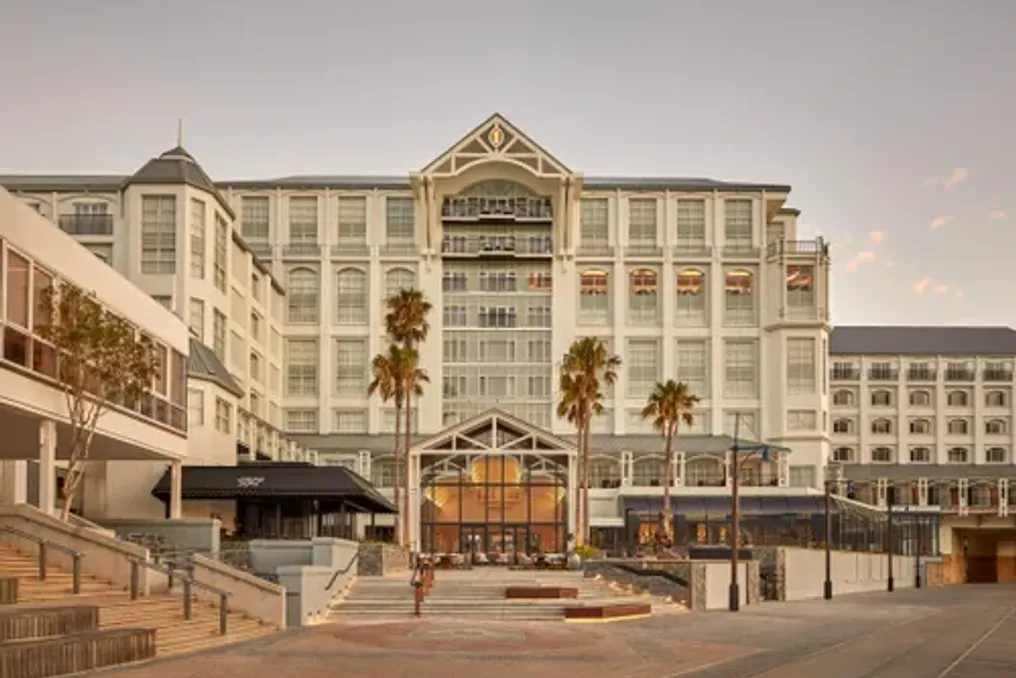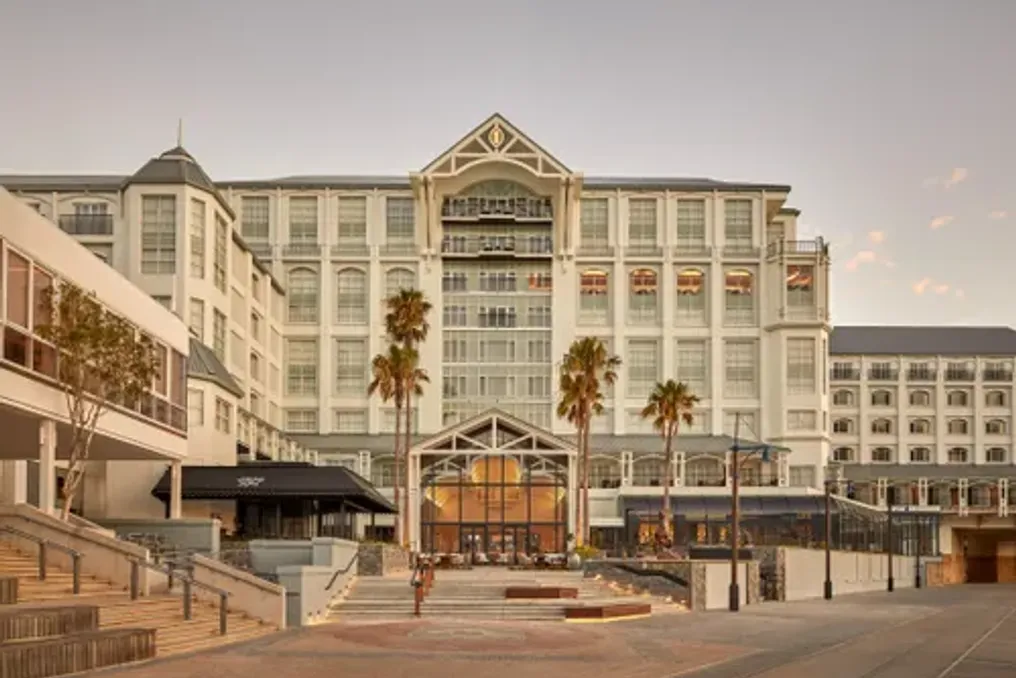
Following an eighteen-month reconstruction costing one billion rand, the former Table Bay Hotel has officially reopened as InterContinental Table Bay Cape Town, becoming the first hotel of the InterContinental chain in the city. This event marked the beginning of a new era for one of South Africa's most recognizable hospitality landmarks.
The launch, themed 'The Art of Arrival,' resembled a theatrical performance more than a traditional opening ceremony. Guests were invited to pass through an immersive installation inspired by the famous cloud cover of Table Mountain before entering the spacious modern interiors. There, panoramic windows once again offered views of the city's main luxury: the fusion of mountains, ocean, and sky. This arrival process was designed to slow guests down before reminding them of where they were.
Attendees included Tourism Minister Patricia de Lille, Cape Town City Committee member for Economic Growth James Vos, as well as hospitality leaders, creatives, and prominent figures from the city's cultural and business circles. Special attention was drawn to the appearance on stage of Siki Jo-An, a vocalist who gained fame after a viral breakthrough on The Voice South Africa.
Where History Meets New Identity
Before becoming InterContinental, the property had already cemented its place in South African history. It first opened in 1997, with its official inauguration performed by former President Nelson Mandela. For nearly three decades, it hosted world leaders, musicians, actors, and royalty. Among the unexpected finds of the evening was an archival book documenting some of these distinguished guests. Flipping through the pages of this book felt like viewing popular culture, as it contained autographs from figures such as Snoop Dogg, Obama, and Michael Jackson, alongside records of visitors from different decades.
The hotel's reincarnation respects this heritage but does not allow it to constrain itself. The interiors, designed by the internationally renowned LW Design Group under the direction of lead designer Gina Munro, replace traditional grandeur with a warmer, lighter, and distinctly modern style. The use of local textures, earthy tones, and subtle references to the Cape Town landscape creates spaces that look luxurious but not intimidating. Furthermore, the architecture allows Table Mountain to remain the most impressive element in every room, as the views remain unparalleled.
Well-being has become an integral part of the luxury concept. Modern hotels are no longer just places to sleep; they are increasingly becoming destinations for rejuvenation, and the new InterContinental SPA fully aligns with this trend. Located away from the hustle and bustle of the Waterfront, the spa is intentionally secluded. Its main feature is the Turkish hammam, where age-old bathing rituals are combined with local Cape Town botanicals in treatments aimed at restoration, not just indulgence. Treatment costs range from an accessible 450 rand for basic rituals to 5,000–6,000 rand for premium comprehensive wellness programs.
InterContinental Table Bay Cape Town presents a luxurious venue that harmoniously blends thoughtful design with authentic local stories, setting a new standard for hospitality. One of the most exclusive spaces is the Club InterContinental. This private lounge overlooking the harbour offers a quieter form of luxury: instead of loud music and crowded halls, an atmosphere for conversation, late cocktails, and unobstructed water views is created, making it appealing due to its tranquility.
Gastronomy Designed to Make You Stay
The hotel's culinary concept is equally ambitious. Le Bistrot de JAN brings the concept of a French bistro to Cape Town, created by South Africa's Michelin-starred chef Jean-Hendrik van der Westhuizen. This adds yet another dining destination to the city's already impressive gastronomic scene. During the opening, Van der Westhuizen accompanied guests, conducting a cheese tasting where exquisite cheeses were paired with wines from Cape Town's wine regions. A cellist provided musical accompaniment, allowing conversations to last long and giving the evening an intimate rather than ceremonial character.
Additionally, Flint & Fennel offers exquisite seasonal dishes during the day, while The Botanist's Table and Solandra provide a more relaxed pace with botanical cocktails overlooking Granger Bay.
In summary, it is clear that this massive renovation is not just about updating rooms or improving finishes. It is about rethinking how Cape Town presents itself to global elites. InterContinental Table Bay successfully preserves the strong nostalgia that made the original hotel iconic while confidently appealing to a new generation of travellers. It is ideal for those who value thoughtful design, conscious wellness, world-class culinary experiences, and authentic local stories as much as five-star service. This world-class venue will cost approximately between 17,063 and 20,000 rand per night, and frankly, it is worth every penny.