The import tariff introduced by Donald Trump's administration, named 'Liberation Day,' brought billions of dollars to the US treasury. However, a significant portion of these funds is now being returned to the owners.
The import tariff introduced by Donald Trump's administration, named 'Liberation Day,' brought billions of dollars to the US treasury. However, a significant portion of these funds is now being returned to the owners.
According to official information, $100 billion has been returned to American importers to date. This amount accounts for nearly 60 percent of the total funds collected through this special tariff.
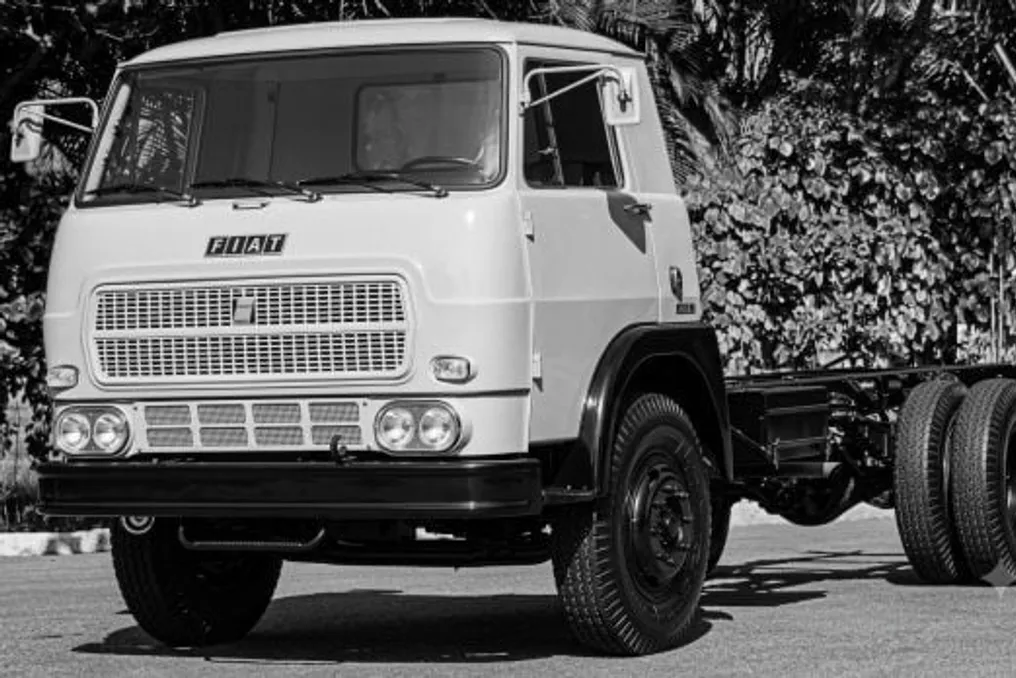
Celebrating half a century as a manufacturer in Brazil, Fiat has a vast history built through its passenger vehicles. However, despite being widely recognized as a car producer, the Italian brand also ventured into truck manufacturing in the country, although this path was not as successful as that of its cars.
As with any long history, the beginning of this initiative was not simple, given that it continued the former National Motor Factory, informally known as the legendary 'Fenemê'. The history of the FNM began on June 13, 1942, during World War II, with the purpose of manufacturing aeronautical engines in Duque de Caxias (RJ).
After the end of the conflict in 1945, the company began producing heavy trucks in 1949, becoming the first Brazilian automotive industry. The first significant milestone for FNM in the automotive sector came through a collaboration with the Italian Isotta Fraschini, resulting in the launch of the FNM D-7300 in 1949. This vehicle, based on the Isotta Fraschini D.80, was the first truck produced in series in Brazil, equipped with a 7.3-liter, 100 hp diesel engine and an 8-ton load capacity.
Subsequently, the situation complicated with the bankruptcy of Isotta Fraschini. At that time, FNM formed a partnership with the then-state-owned Italian Alfa Romeo, initiating the era of the notorious 'Fenemê' trucks. The first model of this phase was the FNM D-9500, launched in 1952, which had a 130 hp diesel engine and a capacity for 8.1 tons of cargo, capable of reaching 14 tons when coupled with a trailer. Starting in 1953, FNM implemented a plan for nationalizing components, covering cabins, tires, and batteries, aiming to achieve 45% local content.
The FNM's phase as a state-owned company ended in 1968 when it was privatized and incorporated by Alfa Romeo. In 1973, Fiat took control of Alfa Romeo and, consequently, FNM. Four years before discontinuing the FNM brand, in 1973, Fiat had concrete plans to expand its operations in Brazil. While building its factory unit in Betim (MG), the company acquired 43% of Alfa Romeo do Brasil (which controlled FNM at the time), with the goal of using the Duque de Caxias factory to develop a new line of trucks.
Three years later, in 1976, the Fiat 130 was introduced, a medium model equipped with a six-cylinder engine and a modern cabin ('cara chata'), representing a considerable advance over the old FNM models from the 1960s. During the same period, the heavy FNM 190 began to absorb the influence of the Italian group. Still in 1976, Fiat assumed full command of operations and extinguished the FNM brand. In 1977, Fiat Diesel Brasil S.A. was born, at which point the brand began to display only the Fiat name in its heavy vehicle portfolio.
With the new corporate name, the automaker updated its line: the 70 and 130 models were replaced by the new Fiat 80, 120, and 140. The heavy 190 received a renewed version, called the 190H, which offered a more comfortable and updated monocoque cabin. Additionally, the brand began supplying chassis for urban buses and options with a factory third axle, increasing load capacity.
Fiat soon faced logistical and operational difficulties common to many automakers operating in a continental-sized country. The problems were clear: even facing these obstacles, Fiat continued to modernize its line. In 1982, it launched the Fiat 190 Turbo, equipped with a 306 hp turbo engine, bringing the model up to the technological level of competitors of the time, such as Mercedes-Benz, Scania, and Volvo. In addition to the new engine, Fiat invested in unprecedented comfort features for the category at that time.
However, innovation was not enough to reverse the situation. In addition to the low acceptance of Fiat trucks in the market, recurring strikes and confrontations on the production line caused layoffs and demonstrations. Unexpectedly, in June 1985, Fiat permanently ceased truck production. Some equipment was sold to other manufacturers, and the Xerém factory was bought by Ciferal. In total, Fiat Diesel was active in Brazil for only nine years (from 1976 to 1985), and despite its short existence, its trucks remain in the memory of the roads as robust and unusual models.
J.P. Morgan Investment Bank announced the inclusion of Uzbekistan's sovereign international bonds denominated in soums into the Government Bond Index - Emerging Markets (GBI-EM).
According to information provided by the Ministry of Economy and Finance Information Service, this change will take effect on September 30, 2026.
For those looking to purchase a new laptop, Olhar Digital has selected five models available on sale during Amazon's 8.8 campaign, featuring considerable discounts.
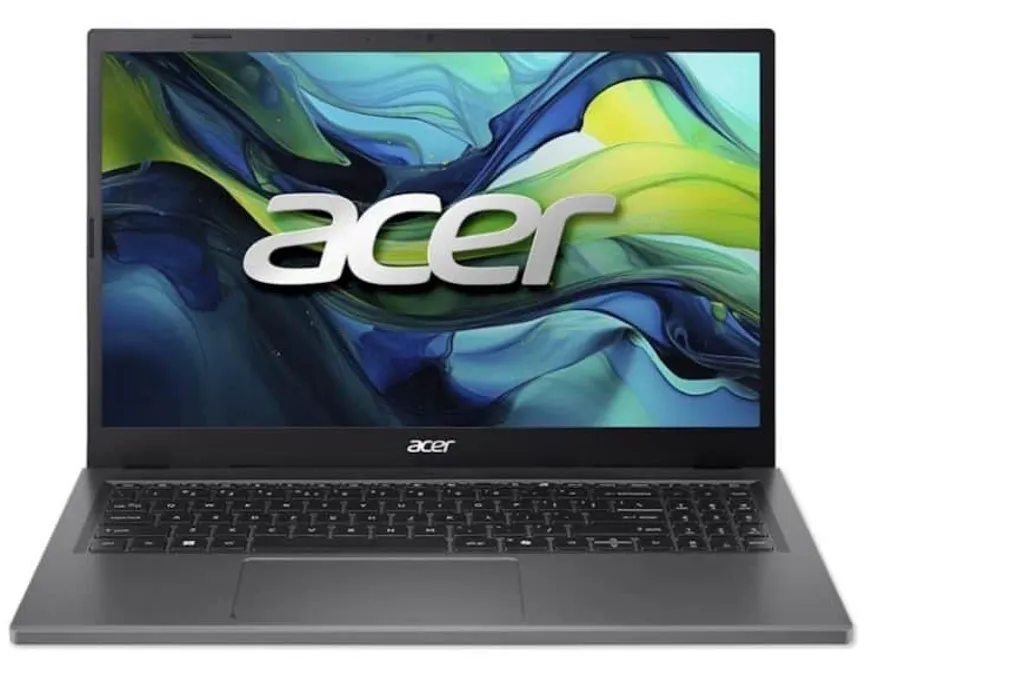
The Acer Aspire Go 15 is ideal for daily activities in office environments, studies, and web browsing. It is equipped with a recent generation Intel Core processor and sufficient RAM to switch between spreadsheets, browser tabs, and text editors without interruption. Its 15.6-inch screen allows for side-by-side document viewing, and the SSD storage ensures fast operating system startup, complemented by a keyboard with an integrated numeric keypad.
The Dell 15 DC15-C3100-A20 is aimed at users who need a portable computer for basic tasks, such as replying to emails, watching videos, and completing school assignments. This model prioritizes energy efficiency to extend battery life when unplugged. Its design is sober and durable, featuring a 15-inch screen and physical connections that facilitate connecting mice, pen drives, and external monitors.
The Dell Inspiron 15 (I1300-A30P) positions itself as an intermediate notebook, suitable for more demanding work routines or advanced studies. It uses a 13th generation Intel Core i5 processor, capable of managing corporate software, multitasking, and programs that require greater processing power. The device features a fast SSD for opening files and programs, multiple USB ports, and an anti-glare screen that reduces eye strain in brightly lit areas. Furthermore, its chassis has hinges that slightly elevate the base to optimize ventilation.
In terms of portability, the ASUS Vivobook S14 IA adopts a more compact format with a 14-inch screen, recommended for those who frequently carry the computer. Its thin and light body incorporates a modern Intel Core Ultra series processor, focused on good overall performance and energy efficiency. This device comes with factory-soldered RAM in an appropriate amount and SSD storage. The backlit keyboard aids use in dark environments, and its ports include modern USB-C connections for charging and fast data transfer.
For those seeking high performance, the Acer Gamer Nitro V15 is geared towards computer gaming or editing high-resolution videos and images. It combines a robust processor with an NVIDIA GeForce dedicated graphics card and a dual cooling system with fans. This model's screen has a high refresh rate, providing smoother image movement during games. The design includes an ergonomic backlit keyboard for gamers and expandable internal space.