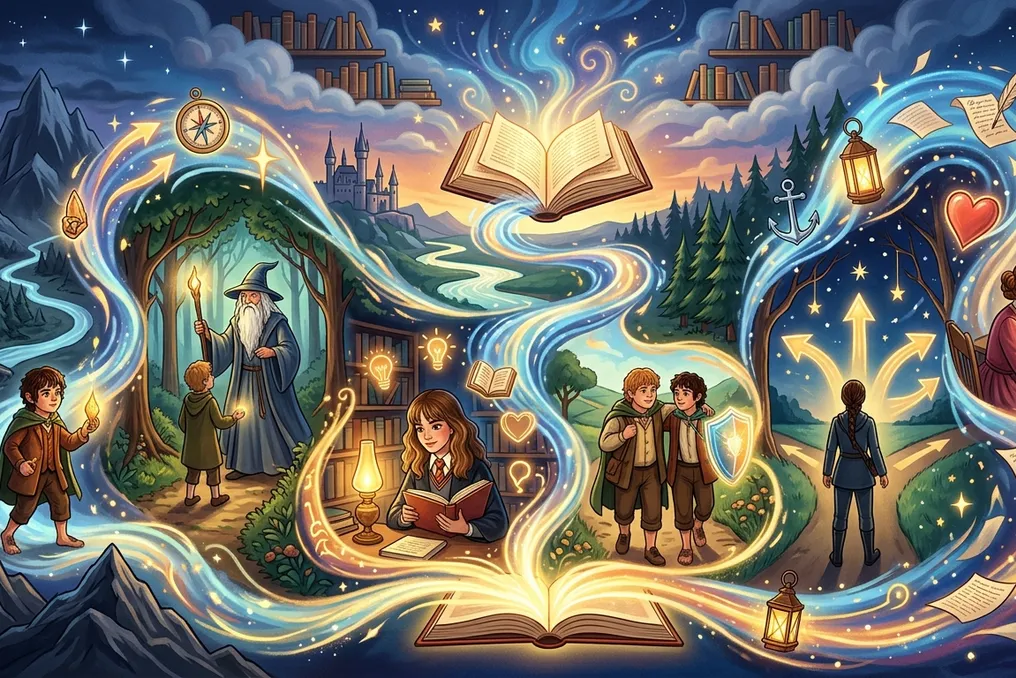
Fiction possesses a unique ability to reveal truths about human nature. Although fictional characters are created by imagination, their choices, experiences, emotions, and life paths often reflect real-life experiences from which readers can draw lessons. Great stories do more than just entertain; they demonstrate how people cope with loss, ambition, fear, love, self-awareness, and change.
Through these characters, we see various perspectives and discover lessons that can influence our understanding of ourselves and the world around us. Some heroes teach us the importance of courage, while others remind us of compassion, resilience, and the consequences of decisions made. These books prove that imagined lives are capable of offering genuine wisdom.
Harper Lee's novel 'To Kill a Mockingbird' tells the story of Scout Finch, a young girl raised in a society full of prejudice and injustice. Through Scout's experience, readers learn the value of empathy, justice, and the necessity of understanding people before judging them. The character Atticus Finch demonstrates the importance of defending the truth, even when it is extremely difficult.
His moral strength and bravery show that integrity lies not in gaining approval, but in adhering to one's own principles. The book reminds readers that kindness and compassion can challenge unfair societal beliefs. Scout's journey from innocence to understanding illustrates how life experience shapes our view of humanity.
'The Alchemist' narrates the story of Santiago, a young shepherd who leaves his familiar life to pursue his dream. His journey teaches readers about courage, self-knowledge, and the ability to listen to one's inner voice. Through Santiago's experiences, the book shows that personal growth is often achieved by taking risks and being open to uncertainty. His figure embodies the idea that the pursuit of a dream can be as significant as its achievement, prompting readers to trust themselves and recognize opportunities in everyday events.
F. Scott Fitzgerald's novel 'The Great Gatsby' explores themes of ambition, love, dreams, and the illusions people create about happiness. Through the character Jay Gatsby, the novel reveals how the pursuit of an idealized life can sometimes lead to disappointment. Gatsby's obsession with recreating the past teaches the dangers of living solely for an imaginary future or a lost dream. His story shows that wealth and success cannot always fill emotional emptiness.
Jane Eyre follows the journey of Jane, an independent woman who struggles to find love, respect, and personal freedom. Jane's character emphasizes the importance of self-respect and fidelity to personal values. Despite rejection, loneliness, and difficult circumstances, she refuses to sacrifice her identity for acceptance. The novel demonstrates that true strength lies in knowing one's own worth and choosing authenticity over pleasing others.
'The Catcher in the Rye' by J.D. Salinger presents readers with Holden Caulfield, a teenager struggling with loneliness, confusion, and the search for authenticity. His character reflects the difficulties of growing up and interacting with a world that often seems dishonest or oppressive. His experience teaches readers about emotional issues, vulnerability, and the importance of accepting change. The book reminds us that behind anger or detachment, people may hide deeper fears and insecurities that are not always visible.
'Little Women' describes the lives of the four March sisters and touches upon themes of family, ambition, love, and personal development. Each sister represents a different approach to life, showing that there is no single path to happiness. Through Jo March, readers learn about independence, creativity, and the courage to follow personal dreams. The characters also emphasize the importance of kindness, family bonds, and accepting individual differences, asserting that growing up is not about becoming someone else, but about discovering one's true self.
Fictional characters may only exist on the pages, yet their feelings and experiences often mirror real human hardships. Their stories help readers gain a deeper understanding of relationships, choices, failures, and personal growth. These books prove that lessons are not always learned from real-life experience; sometimes the most profound truths about courage, empathy, self-awareness, and becoming a better version of oneself are taught to us by fictional characters.