The Isfahan Department of Cultural Heritage, Tourism, and Crafts has started digitizing approximately 2000 documents and records stored at the province's cultural heritage documentation center, an official representative announced on Saturday.
Seyed Ruhollah Seyyed al-Asghari, Deputy Head of the Department of Cultural Heritage, specified that the first batch of about 2000 documents and other materials was transferred to the branch of the National Library and Archives of Iran for the digitization process.
This initiative aims to protect the information contained in these records from potential damage and to expand access to them for researchers, according to a report by the Iranian news agency IRIB.
The Cultural Heritage Documentation Center and the Isfahan Library are considered major repositories of cultural heritage documentation because they contain extensive records of restoration projects, preservation measures, and research conducted over past decades, according to Seyed al-Asghari.
Some of the collected materials include studies and documentation prepared by international companies and groups that have worked in Iran during various periods, added the official.
He noted that in the initial phase, priority was given to records related to restoration, including documentation on conservation works, historical photographs, and architectural drawings. Some maps and documents date back to the 1970s and 1980s and provide information about restoration projects and interventions carried out in the historic buildings of Isfahan.
Many records concerning restoration projects are held at the center, and documentation of various stages of the restoration of sites such as Chehel Sotoun is available to contractors, supervisors, specialists, and researchers involved in preservation projects. These records can provide information on past restoration methods and the treatment of wooden structures, architectural decorations, and other elements of historic buildings, serving as reference material for future research and preservation interventions, explained Seyed al-Asghari.
Seyed al-Asghari also mentioned that the center's library contains about 7540 books, some of which are rare and were published in very limited quantities in Iran. Students and researchers regularly visit the library and documentation center to conduct specialized research.
Furthermore, Seyed al-Asghari referred to an earlier digitization project conducted in cooperation with the Isfahan Municipality organization for urban environment repair and improvement. Nearly 8000 photographic materials related to previous restoration projects were scanned and digitized over several months.
The current project will ultimately cover additional sets of documents, including studies and records created by international teams working in Isfahan. In later stages, efforts will focus specifically on documenting research conducted by Italian groups active in the city and transferring it to the National Library and Archives Organization for digital preservation.
One of the main goals of this collaboration is to expand researchers' access to documentary resources, stated Seyed al-Asghari. Currently, researchers often have to travel to Isfahan to review many records, whereas hosting the digitized materials on a national platform could allow researchers across Iran to access them.
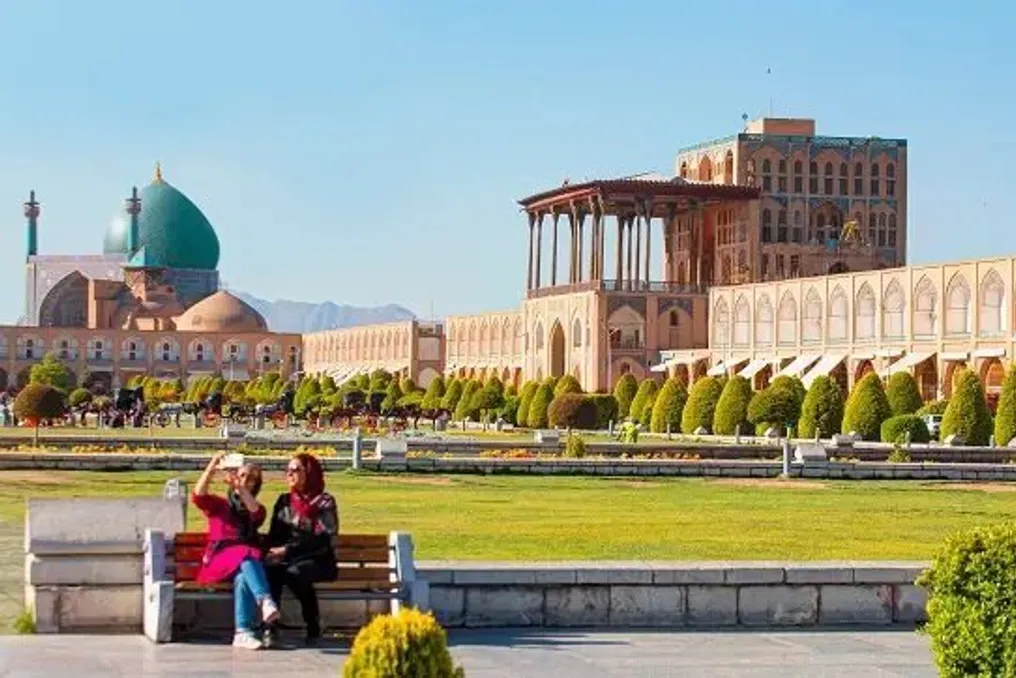
Isfahan, the capital of the central Iranian province of the same name, has long been a major center of Iranian cultural heritage. The city particularly flourished from the 9th to the 18th centuries and became the capital of Safavid Iran under Shah Abbas I in the late 16th century. Often associated with the Persian saying 'Isfahan nasf-e-jān' ('Isfahan is half the world'), the city is famous for its historic mosques, bazaars, gardens, bridges, and other architectural monuments.