In one of the most remote districts of Madhya Pradesh (MP), a simple system developed by an Indian Civil Service (IAS) officer has managed to reduce maternal deaths by 50%.
_In one of the most remote districts of Madhya Pradesh (MP), a simple system developed by an Indian Civil Service (IAS) officer has managed to reduce maternal deaths by 50%.
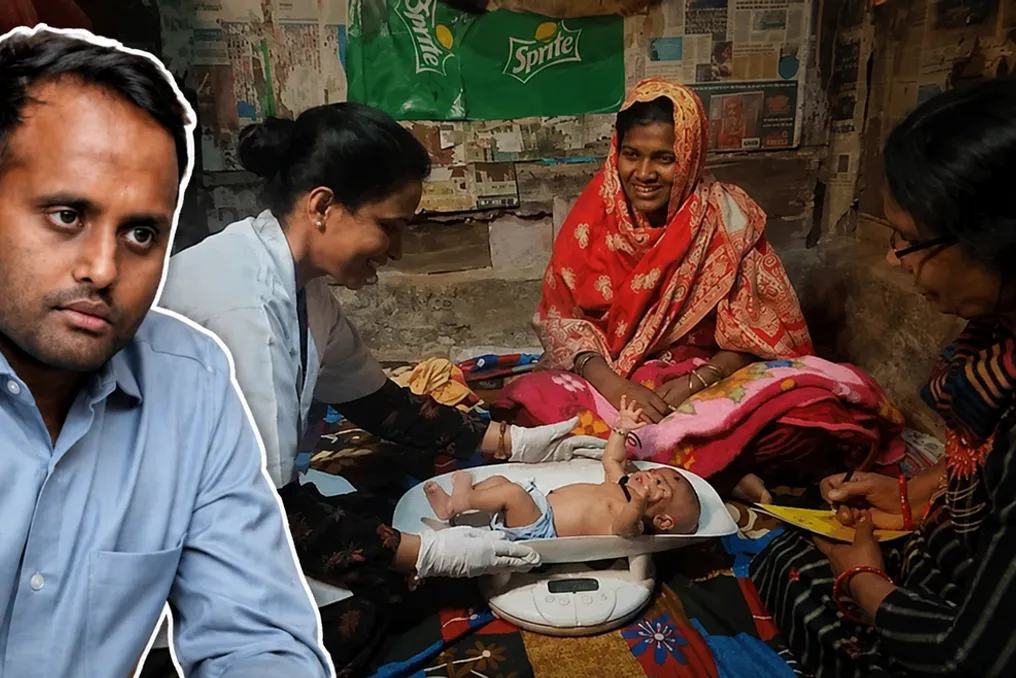
_Before the system's implementation, healthcare workers in Shahdol could only reach eight out of ten pregnant women on the lists. The remaining two women, who were often at risk, lived in remote forest areas of the Madhya Pradesh district. These women frequently missed iron and calcium supplements, did not undergo check-ups, and were unaware that headaches or leg swelling could be early signs of pregnancy-induced hypertension.
When IAS officer Shivam Prajapati, who served as the CEO of Zila Panchayat in Shahdol, and his team spent nearly two months interacting with residents in early 2026, they expected to find gaps in medicine supply or staff shortages. Instead, they discovered something more fundamental.
As Prajapati noted: 'Our own people were not reaching them in time.' Programs existed, but there was no follow-up monitoring.
The problem was not medication. Shahdol, a district with a predominantly tribal population known for its dense forests and monsoon-damaged roads, had long struggled with anemia and pregnancy hypertension. Residents told Prajapati's team that they were never told why this mattered.
One woman reflected the observations of healthcare workers in isolated tribal villages, stating that if they knew, they would take the medication. Consequently, the district created a home monitoring system instead of introducing a new program, naming it 'Maa Ka Haal – Swasthya Ka Haal'.
Launched in January 2026, this system began with a survey in every village to identify all high-risk pregnant women in the district. Every 15 days, updated lists were sent to Auxiliary Nurse Midwives (ANMs), who are village-level female healthcare workers with a two-year diploma, as well as public health specialists and doctors.
Each woman received at least one home visit and two phone calls per month—a consistent, quiet contact that long defined the work of ASHA workers trekking through rural Indian paths at dawn. Women whose hemoglobin levels dropped to 7–8.5 g/dL were referred for additional blood tests, and monitoring continued for 42 days postpartum, a period when postpartum complications are most likely to go unnoticed.
The system was intentionally kept low-tech. Prajapati explained that they did not use artificial intelligence because they wanted the system to remain simple so that frontline staff could easily understand and implement it, even as some Indian states experiment with AI-based pregnancy tracking tools elsewhere. Shahdol's approach reflects a broader trend among Indian districts that have found a low-cost, intensive approach to be more effective than expensive new infrastructure, similar to how one Maharashtra collector resolved a healthcare crisis by sending transport to people rather than waiting for them to come.
Accountability was built in from the start: officials randomly called beneficiaries to confirm that visits and calls actually took place. Some ANMs and ASHA workers initially viewed the extra workload as a burden, but their engagement grew as results improved. Phone monitoring coverage increased from approximately 80% of beneficiaries to almost 99%.
The district also began planning births instead of reacting to emergencies. Officials shared lists of women due to give birth in the following week with local administration, ANMs, ASHA workers, and sub-divisional magistrates, pre-arranging emergency care in villages where heavy rains could block roads for several days.
Between January and June 2026, 5,380 high-risk pregnant women were identified. All these women underwent monitoring via phone checks. Among them, 4,646 had moderate anemia, 174 had severe anemia, 560 had pregnancy-induced hypertension, and 3,696 high-risk pregnancies were successfully managed thanks to timely intervention.
The number of maternal deaths decreased from 14 (January–June 2025) to 7 (January–June 2026), representing a 50% reduction. Infant mortality decreased from 323 to 211, a reduction of 34.7%.
At Nutrition Rehabilitation Centers (NRCs), hospitalizations increased from 686 to 1,027 children, and the successful discharge rate improved from 87% to 90%, indicating better recovery outcomes.
For Prajapati, the lesson is less about technology and more about attention. He stated that if the mother remains healthy, the child remains healthy, adding that the district now wants this level of monitoring intensity to continue year-round, not just within a fixed campaign period.
In a district where reaching a hospital during the monsoons can take hours, the difference between a missed call and an answered one proved more significant than any new program.
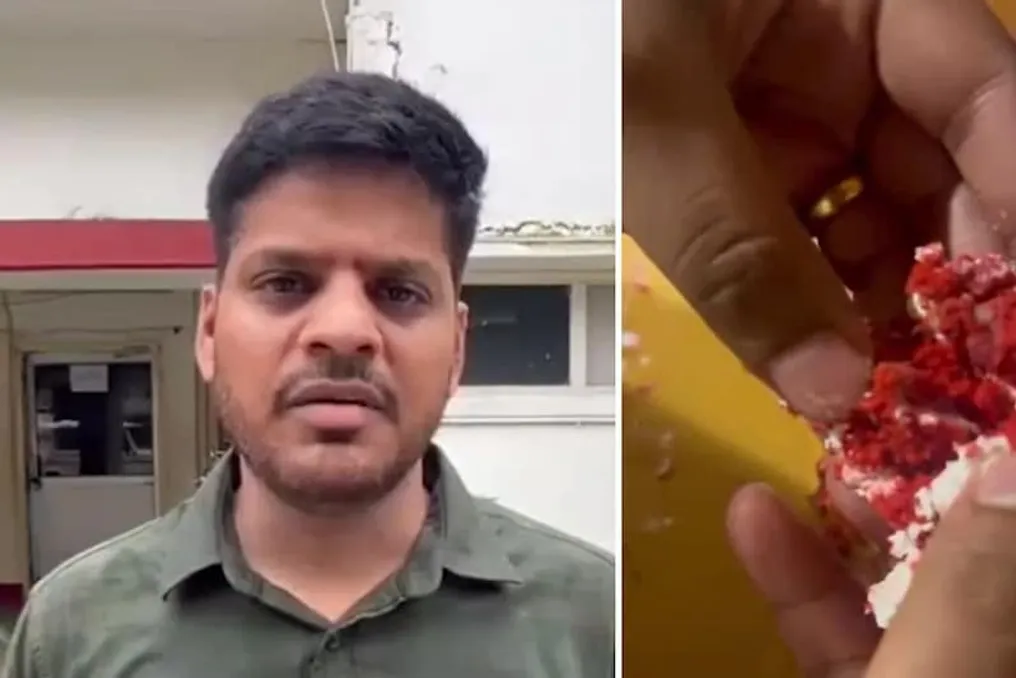
In the hill station town of Nainital, Uttarakhand, a family celebration turned into a problem due to a cake. A family from Ghaziabad came to one of the resorts in the Ramnagar area to celebrate a birthday. The atmosphere was completely festive; the family gathered together, cut, and ate the cake.
However, shortly after this, the health condition of several family members began to deteriorate. Many, including children, started experiencing vomiting, and the joy of the birthday quickly turned into chaos.
The affected family claims that upon careful inspection of the cake, they discovered mold and insects. They attribute the worsening health of all family members specifically to consuming this cake. Furthermore, the family states that they called the 112 service twice to report the incident, but no one arrived at the scene. Subsequently, they filed a written complaint at the police station.
Upon receiving information about the incident, a team from the Food Safety Department arrived at the resort. The team, led by food inspector Aslam Khan, took samples of the cake and other food items to be sent to the laboratory. The police also initiated an investigation based on the complaint from the affected family.
The resort administration stated that the cake was not prepared by them but was ordered from an external vendor. The resort management emphasized that it is cooperating with all investigative bodies in this case. Now, the laboratory report will be the decisive factor. If any defect is found in the cake or other products during the inspection, action may be taken against those responsible. The police and the Food Department continue their investigation.
Health advocate Hutjo Motimele and clinical psychologist Dr. Keitumetse 'Tumi' Mashego urge women during Women's Month to prioritize mental health, self-care, and overall well-being.
Mental health specialists emphasize that women should not wait for a crisis situation to seek help. On International Women's Day, they strongly recommend integrating therapy and emotional well-being into their regular self-care routines.
In observance of Women's Day in the country, women are advised to concentrate on their general state of health, including physical activity, mindfulness, therapy, self-help, and emotional balance.
Dr. Keitumetse 'Tumi' Mashego, a clinical and sports psychologist, told IOL that well-being provides women with the opportunity to have a reliable confidant and an objective mirror focused on their best interests. She noted that having such a supportive companion helps develop self-awareness, which is an important life skill.
Mashego, who is also a performance and life coach, explained that the understanding of well-being among women is transforming: it is moving away from traditional notions based on appearance and fitness toward a more comprehensive focus on mental health, community, balance, and sustainable self-care.
She described how the concept of self-help has changed: it now includes mental health interventions, comprehensive physical check-ups, and acknowledging conditions previously considered 'normal,' such as perimenopause, menopause, dysmenorrhea (painful menstrual cycles), the cost and accessibility of menstrual hygiene products, fibroids, and endometriosis.
Furthermore, self-help now encompasses inner work, which involves prioritizing self-care, taking breaks, setting boundaries at work and in personal life, developing small daily habits outside of roles performed in personal or professional settings, and establishing clear limits.
Mashego listed the most common mental health issues faced by women: anxiety, depression, burnout from work and personal responsibilities like motherhood, the effects of imposter syndrome, low self-esteem, unhealthy relationships, and poor boundaries. She also warned about stress that can exacerbate physical illnesses.
"Unfortunately, women are at a higher risk of various forms of violence (workplace violence, ranging from sexual assault and bullying to 'downsizing' by colleagues, as well as domestic violence, such as financial, emotional, sexual, etc.) and its consequences," stated Dr. Keitumetse 'Tumi' Mashego.
She stressed that communication and social connections remain a vital part of emotional well-being, as humans are naturally inclined towards some form of connection, and the sense of belonging through community plays a significant role.
Mashego refuted two misconceptions about self-help: first, that it is not a priority or is only intended for certain people; and second, that it concerns only external events, ignoring inner work and emotional state. She also mentioned the stigmatization of seeking mental health help, where people are often judged as 'crazy' or 'weak,' increasing the burden for those already struggling.
For 32-year-old Hutjo Motimele from Mankwenga, Limpopo, deciding to put her well-being first was the result of a deeply personal journey that began in 2025. She shared that years of battling health issues, starting in childhood, continued into adulthood and affected her daily life. This experience became the motivation for a serious approach to her well-being, therapy, and self-care, starting in early 2025.
However, the path to better health was not without difficulties. The hardest moments were cravings and attempts to fit into even others' homes. Nevertheless, self-help taught her to accept her own health journey without comparing herself to others. She noted that the most significant changes came from incorporating natural herbs, food spices, and supplements into her lifestyle.
Motimele urged women to put themselves and their well-being first, advising: "It is important to fill your own cup before pouring it into others'... Otherwise, they will always be knocking on doctors' doors when they could heal from within." She advised beginners to simply start with what they have, turning it into a lifestyle rather than a temporary practice, emphasizing that nutrition, habits, environment, and associations must contribute to becoming a better person.
Hutjo Motimele, founder of Pebetse Health and Wellness Spa, said that her personal experience inspired her to help others embrace self-care without societal pressure. She opened her spa in August 2025, motivated by a desire for people to feel comfortable and love themselves healthily, without conforming to societal standards.
In conclusion, Mashego recommended practical steps for maintaining good mental health, including finding a registered mental health professional for regular consultations. She insisted that such support should be part of continuous emotional well-being, not just a reaction to a crisis. Regular self-reflection helps prevent the deterioration of mental state and understand one's blind spots, promoting the development of emotional intelligence and self-control, which is critically important in both personal and professional life. She also advised focusing on holistic well-being, developing hobbies outside of obligations, and shaping a personality that extends beyond work and family roles.
Aadilah Maker Diderrick demonstrates resilience and an active stance, helping communities in South Africa make informed decisions about their health, having come from the difficulties of District Six to combating alcohol harm in the region.
When Diderrick discusses what shaped her professional path, she begins not with education or career, but with childhood, when inequality was not an abstract concept but a daily reality for her family. Born in District Six, her family was forcibly relocated to Mitchells Plain, where she witnessed how inequality affected people's lives. These experiences ultimately led her to work in public health and human rights advocacy.
Currently, 58-year-old Diderrick serves as the Secretary General of the South African Alcohol Policy Alliance (SAAPA). She works in countries such as Botswana, Lesotho, Malawi, Namibia, South Africa, Zambia, and Zimbabwe, promoting evidence-based alcohol policies aimed at reducing harm and protecting vulnerable families.
Diderrick recalls how her life changed: 'I had a disabled brother who lacked access to facilities. This was compounded by the fact that I grew up in Mitchells Plain, where the girls I went to school with started pregnant early,' she shared. Furthermore, meeting people living with HIV during university studies, when Sean Mellors, who lives with HIV and AIDS, spoke before their psychology class, strengthened her resolve to address the social and environmental factors influencing people's health and choices.
For over three decades, Diderrick has dedicated herself to working in sexual and reproductive health, HIV and AIDS, child and youth development, gender equality, and violence prevention. She holds a Master of Public Health degree from the University of New South Wales in Australia.
One of her most significant achievements is participating in the development of the multimedia program Soul Buddyz. When children across South Africa adopted the pilot project, it led to the creation of Soul Buddyz clubs that continue to have an impact today. Diderrick notes: 'When we tested the pilot project, children across South Africa asked to join. We never planned to create a club, but this reaction led to the establishment of Soul Buddyz clubs nationwide.' She emphasizes that even now adults tell her about the significance of Soul Buddyz in their lives, reminding them of the possibilities these programs offer children.
Despite her successes, Diderrick believes that becoming a leader first required learning to believe in her own voice. She acknowledges that one of the main challenges for a Black female leader was developing self-confidence. Apartheid affected the self-esteem of many people, and since English was her second language, she had to work hard to gain the confidence to speak in academic and professional circles.
More than three decades later, this belief continues to guide her work in public health human rights advocacy. She asserts that 'change is a long-term project. The life of every person you touch creates a domino effect. When people tell me our work changed their lives, it reminds me why this work is important.'
These life experiences now define the issue that takes up most of her time—reducing the harm associated with alcohol consumption in South Africa. As Secretary General of SAAPA, Diderrick advocates for stricter alcohol policies, considering it one of the most preventable public health issues in the region.
She points out that throughout South Africa, alcohol is widely available in residential areas, and this availability is too often poorly regulated. Children are exposed to alcohol on their way to school, neighbors sell it from their homes, and many grow up seeing harmful consumption as the norm. Over time, this shapes their own choices. The consequences go far beyond simple alcohol consumption: 'Alcohol diverts money from household needs, contributes to gender-based violence, and exposes children to violence, creating long-term consequences for families.'
Her work is research-based. Diderrick is a co-principal investigator of a cross-sectional study examining the link between alcohol availability and gender-based violence. She also co-authored a paper published in 2025 concerning the alcohol industry's role in delaying the adoption of amendments to South Africa's liquor laws. She is convinced that scientific data, not commercial interests, should dictate alcohol policy.
Diderrick insists that South Africa must adopt evidence-based alcohol policy, as legislation and public health programs must be guided by science. She criticizes advertising, stating that 'the alcohol industry should not regulate its own advertising. Advertising six-packs and 'two-for-one' promotions promotes a culture of consumption that is unhealthy and fuels the culture of binge drinking that we particularly observe in South Africa. No advertising campaign informs women that every drink they consume increases their risk of breast cancer.'
Diderrick emphasized that independent regulation would better protect consumers.
One of the outcomes of her recent research left a deep impression after the interview concluded. She was surprised that people spoke about constant noise and lack of sleep due to the operation of alcohol establishments in residential areas. She noted that prolonged sleep deprivation in children and adults negatively affects both physical and mental health.
Diderrick admits that balancing a demanding career in human rights advocacy with family life has not always been easy. She says, 'At night, you need to set a quitting time. Understanding your partner helps. I also made sure my children understood what the next two weeks would look like and what my work required, and I still do this, even though they are older.'
On the occasion of South African Women's Month, Diderrick sees it as an opportunity to acknowledge progress made while reflecting on the work ahead. She concludes: 'It is an opportunity to affirm oneself and others, to celebrate positive changes, and to reflect.'
From a childhood shaped by forced removals and inequality to influencing public health policy across South Africa, Diderrick has built a career on the conviction that sustainable change begins when people are given the opportunity to make conscious choices about their own lives. Her goal is to help create conditions where people and communities can independently make informed decisions about their lives, and the role of professionals is to support communities so they can lead the change themselves.