The Pharmaceutical Manufacturers Association of South Africa (Pharmisa) has urgently requested governmental intervention to counter the illicit trade of medicines, noting that the illegal market now includes healthcare professionals.
Pharmisa chairperson Stavros Nicolaou conveyed this warning while presenting to Parliament's Standing Committee on Trade, Industry and Competition, which is currently reviewing stakeholder input for South Africa's Industrial Development Strategy.
During his address, Nicolaou also highlighted the erosion of South Africa's pharmaceutical production capabilities. He mentioned that contract manufacturing organizations (CMOs) responsible for producing penicillin formulations and oral contraceptives have either ceased operations or temporarily paused their activities.
He projected that the sector could face job losses amounting to 3,200 positions, representing approximately a quarter of its manufacturing workforce, following eighteen months of consistent instability.
Nicolaou stated, «We have observed a surge in the illicit pharmaceutical trade within our nation, necessitating collaboration among all pertinent agencies. The illegal trade, even when perpetrated by healthcare professionals themselves, is alarming to say the least.»
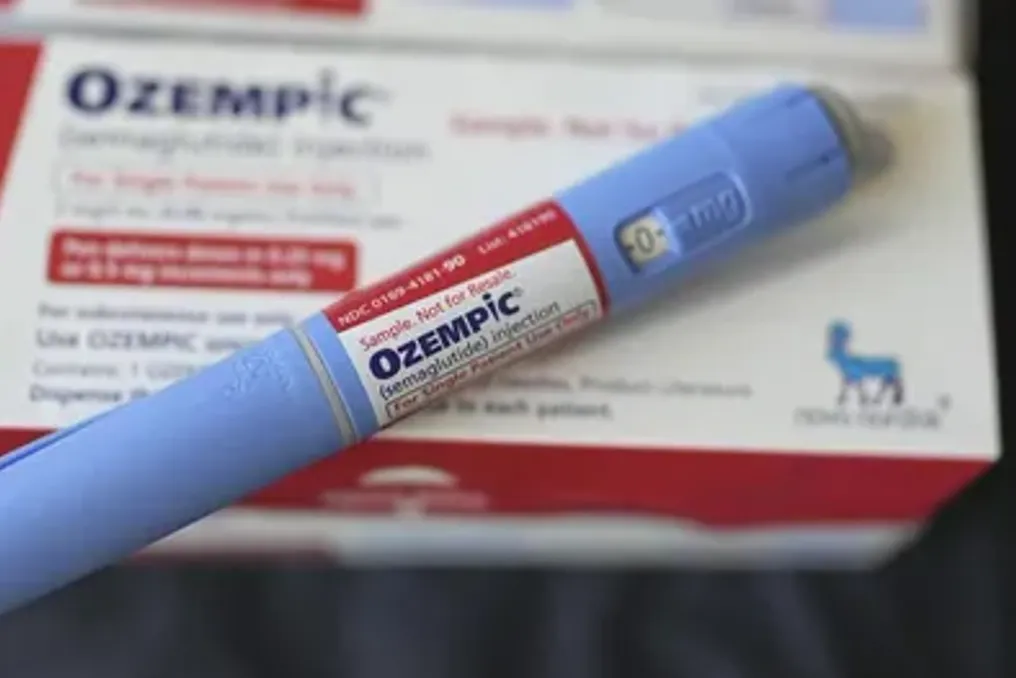
Following the committee session, Nicolaou pointed to the rise of semaglutide—the key component in the diabetes drug Ozempic—as an instance where healthcare providers are acting illegally. He explained, «The system is being exploited. Compounding pharmacies are obtaining active ingredients like semaglutide and mixing them into injectable forms. Current legislation does not permit these products to be produced or distributed on a large scale.»
These remarks follow a ruling by the Gauteng High Court, which granted an interim injunction favoring Novo Nordisk against iDexis, thereby halting the company's compounding and supply of semaglutide injections until the legal case concludes.
Novo Nordisk, a Danish pharmaceutical firm, originally developed the prescription medicine for diabetes management, though it has since gained widespread use for weight reduction. Nicolaou identified three core issues: the existence of counterfeit Ozempic copies, the importation of retatrutide—a product showing positive Phase 3 trial outcomes but lacking approval—and the unauthorized compounding of pharmaceutical goods.
To effectively combat this illicit trade, Nicolaou asserted that coordinated efforts must involve the South African Health Products Regulatory Authority, the South African Pharmacy Council, the South African Revenue Service, the Border Management Authority, the South African Police Service, and the Hawks.
He concluded that without unified action, the fight against this issue will be lost.
During the committee hearing, Nicolaou cautioned that government procurement policies present the most significant danger to local pharmaceutical manufacturing and the long-term security of medicine supplies in South Africa.
He noted that the state purchases over 70% of the pharmaceutical products in the country, managed through ten tenders by the Department of Health. The largest tenders, both in value and volume, are for antiretrovirals, followed by vaccines and the HP09 solid-dose tender. At the time of his research, data for the antiretroviral and vaccine tenders were available.
Nicolaou revealed that when the initial antiretroviral (ARV) tender was launched in 2008, 72% of its value went to domestic producers; however, this figure has since dropped to only 28%.
Furthermore, he argued that the three-year tender cycle discourages long-term investment in domestic production. He reflected on the COVID period, stating that the country was poorly positioned regarding medical countermeasures, whether pharmaceuticals or vaccines. He expressed disappointment that many lessons learned have not been applied, arguing that the current situation regarding drug supply security is comparable to, if not worse than, that experienced during the pandemic.
He described a high trade deficit in the sector and a trend of attrition, explaining that investment has decreased due to a lack of certainty and predictability. He questioned how a 70% volume operating on three-year cycles can attract investment. Based on his experience, he confirmed the loss of technology transfer agreements in the country.
Vaccine manufacturers approach the Department of Health to arrange technology transfers, explaining that such a process requires three years and a minimum seven-year off-take agreement to recoup the investment. However, the response received is that the Public Finance Management Act (PFMA) prohibits this.
Nicolaou listed several contract manufacturing organizations that have either closed or suspended operations, including Wraps, Columbia, Sunpharm OSD, Technikon, SABS, Pharma Q (Injectables), Kiara, Barrs, and Morianna.
Stating his four decades in the industry, he claimed he has never witnessed shortages to the degree currently being experienced, attributing this to the economic unsustainability of these products.
He cited the closure of the sole oral contraceptive manufacturing facility up to March of this year, questioning why someone would invest R70 million without assurance of off-take agreements extending beyond three years, drawing a parallel to investing in a power plant with a 20-year outlook.
Penicillin serves as another example; South Africa now has zero formulation facilities for it. Therefore, when the Minister of Health reports penicillin G shortages, it signifies a failure in supply security. He warned that if China or India were to impose export restrictions again, as they did during Covid-19, the country would face renewed difficulties. This risk also applies to paracetamol active pharmaceutical ingredients, as India, the primary supplier, could restrict its borders again, mirroring the pandemic situation.