The Nigerian government announced on Wednesday significant progress in the fight against malaria: the disease prevalence has dropped from 42 percent in 2010 to 15 percent by 2025, resulting from more than a decade of continuous control measures.
The Nigerian Minister of State for Health and Social Welfare, Isiak Adekunle Salako, noted that this reduction indicates substantial success in combating malaria in Africa's most populous country and marks a major milestone in public health.
Speaking to journalists, Salako explained the achieved results through a complex set of measures, including vector control, expanded access to diagnosis and treatment, strengthening of epidemiological surveillance systems, preventive programs, and the successful implementation of Seasonal Malaria Chemoprevention (SMC) in northern Nigeria.
Nevertheless, he emphasized that Nigeria continues to bear the largest global burden of malaria, accounting for about 24.3 percent of worldwide cases. Malaria remains one of the leading causes of death among children under five, necessitating additional evidence-based interventions to accelerate the eradication of the disease.
Furthermore, Salako reported that the government has introduced periodic prophylactic treatment for infants in states not covered by SMC, following World Health Organization recommendations for malaria-endemic countries.
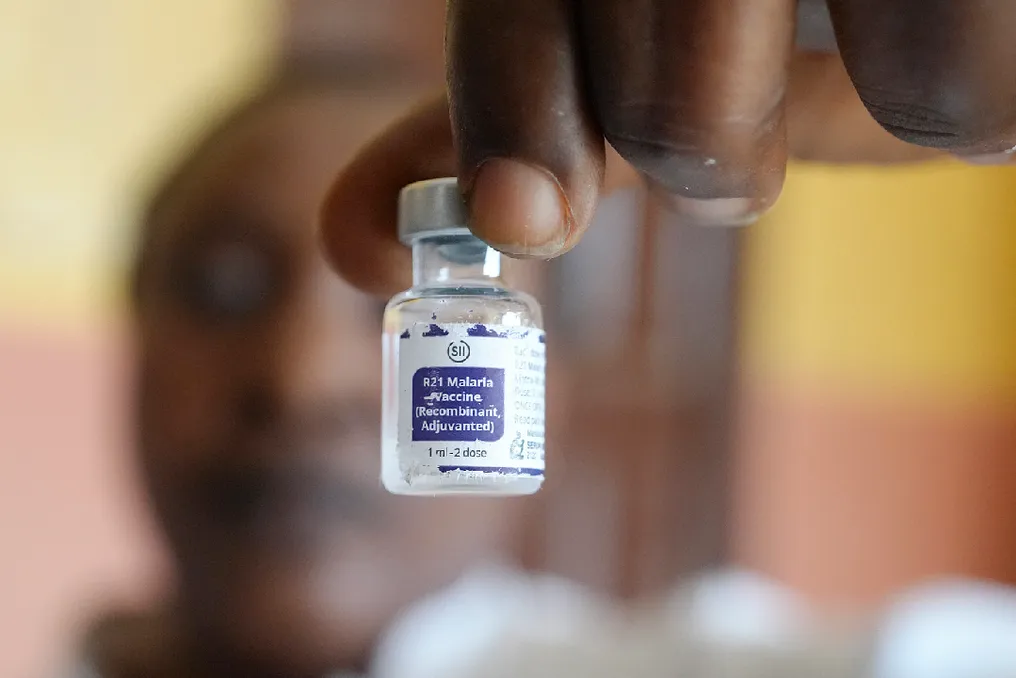
In October 2024, Nigeria included a free malaria vaccine in its routine immunization program for children under one year of age. In the first phase of the campaign, over 800,000 vaccine doses were distributed.
According to the 2025 World Malaria Report, nearly 200,000 malaria-related deaths occurred in Nigeria in 2024, with the highest risk remaining among pregnant women and children under five.