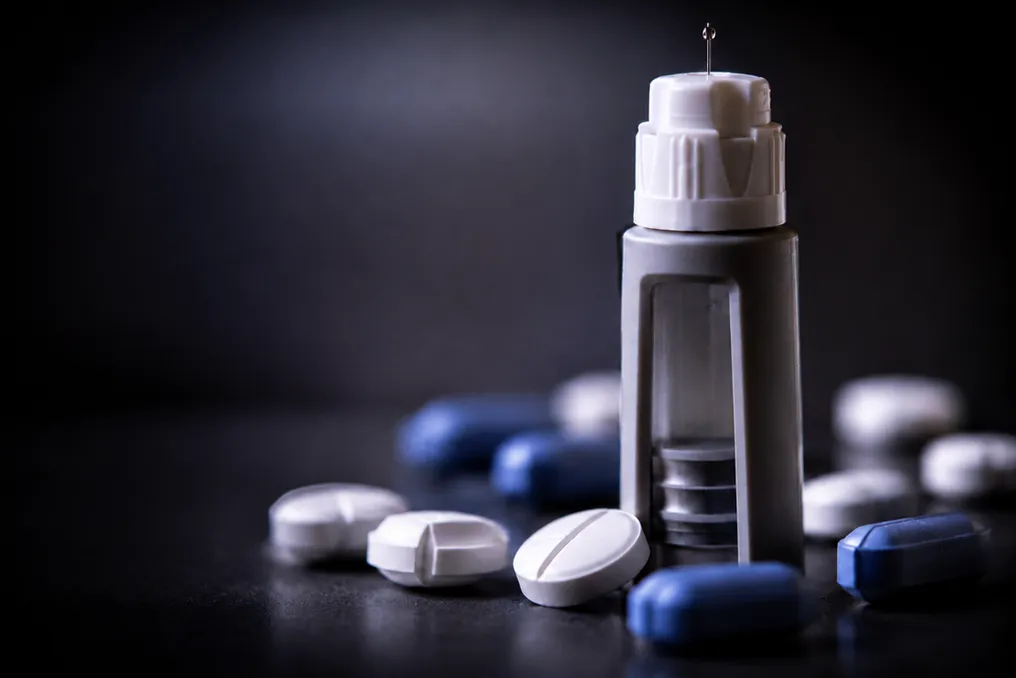
The global market for anti-obesity drugs is projected by Goldman Sachs to reach $130 billion by 2030. This growth is driven by high demand for popular medications such as Ozempic and Mounjaro, which is transforming the pharmaceutical industry.
GLP-1 class drugs, originally developed for diabetes treatment, have become a global phenomenon for weight loss. This unprecedented demand has exceeded the available supply, creating opportunities for generic manufacturers, combination products, and counterfeit medicines.
For the past decade, companies Novo Nordisk from Denmark and Eli Lilly from the USA dominated, accounting for about 90% of global sales. However, this dominance is beginning to weaken as key patents expire in several markets starting in 2026.
This shift is already being observed in Africa, where South Africa is emerging as a key battleground. In June, Novo Nordisk received a temporary injunction preventing the pharmacy group iDexis in South Africa from manufacturing, promoting, and selling combination versions of semaglutide—the active component of Ozempic. The company justified this by stating that the product lacks regulatory approval.
Just a few weeks later, the South African drug regulatory authority confirmed it was reviewing 12 applications for semaglutide generics following the expiration of the Novo Nordisk patent in March. As a result, Sun Pharmaceutical Industries from India became the first to receive authorization to manufacture and sell a semaglutide generic in South Africa, paving the way for more affordable alternatives.
In response, Novo Nordisk announced plans to launch an approved version of Ozempic at a lower price in South Africa in partnership with Swiss pharmaceutical company Acino. The new product, named Extensior, will contain the same active ingredient—semaglutide.
Although the company has not yet announced a launch date in other sub-Saharan African countries, analysts expect increased competition across the continent amid growing demand for obesity treatments. Kenya is being considered as one of the next major markets. Health authorities have warned about the rise of illegal trade in weight loss drugs used inappropriately, as well as counterfeit Ozempic syringes, highlighting the difficulties regulators face because demand outpaces legal supply.
For consumers, generics and cheaper options can make previously inaccessible treatment more affordable. In some regions, brand-name GLP-1 drugs cost over a thousand dollars per month when paid for out-of-pocket.
Nevertheless, experts warn that greater accessibility also increases the risk of misuse, unregulated sales, and the emergence of counterfeits, putting further pressure on regulators to strengthen oversight while ensuring patient access to safe and effective medicines.