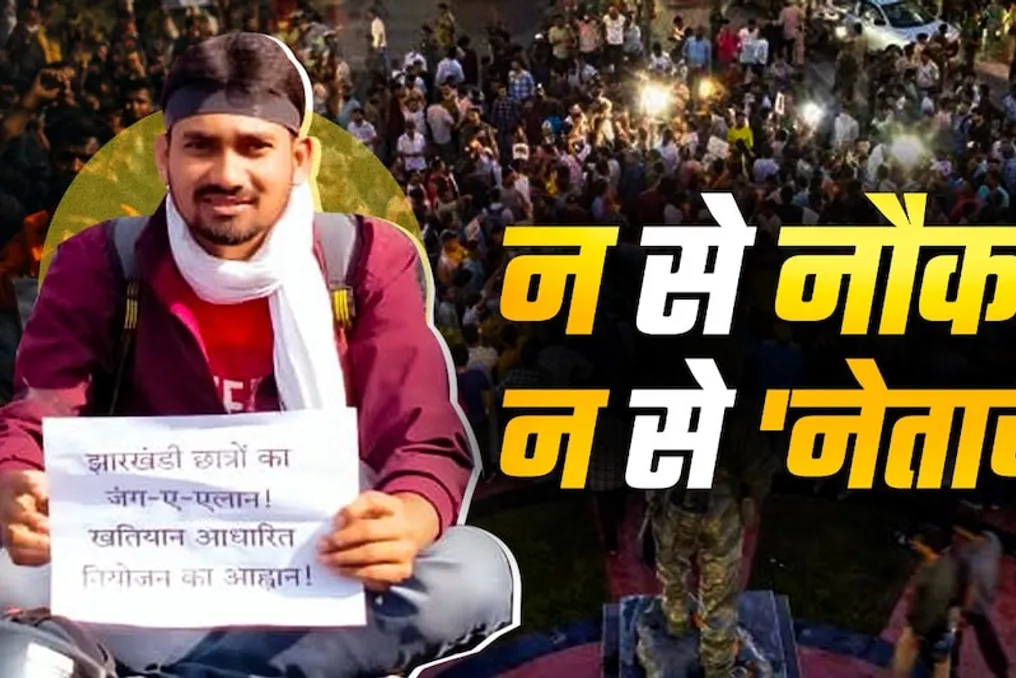
A young man from the village of Ilmi in Pakuda, who achieved academic success, is now facing a different reality. He was the best in every class at his school, earned Master of Science (M.Sc.) and Master of Education (M.Ed.) degrees, and became the second best graduate of the university. However, his status has changed: instead of being a respected civil servant, he is now mocked when returning to his village, being called 'Netaji.'
The story of Shahbaz Hussain from Pakuda reflects the situation of thousands of young people who spend days in small rooms in Rachi, their textbooks wet from rain and sun at protest sites. In an interview with aajtak.in, he shared how the system undermined his motivation.
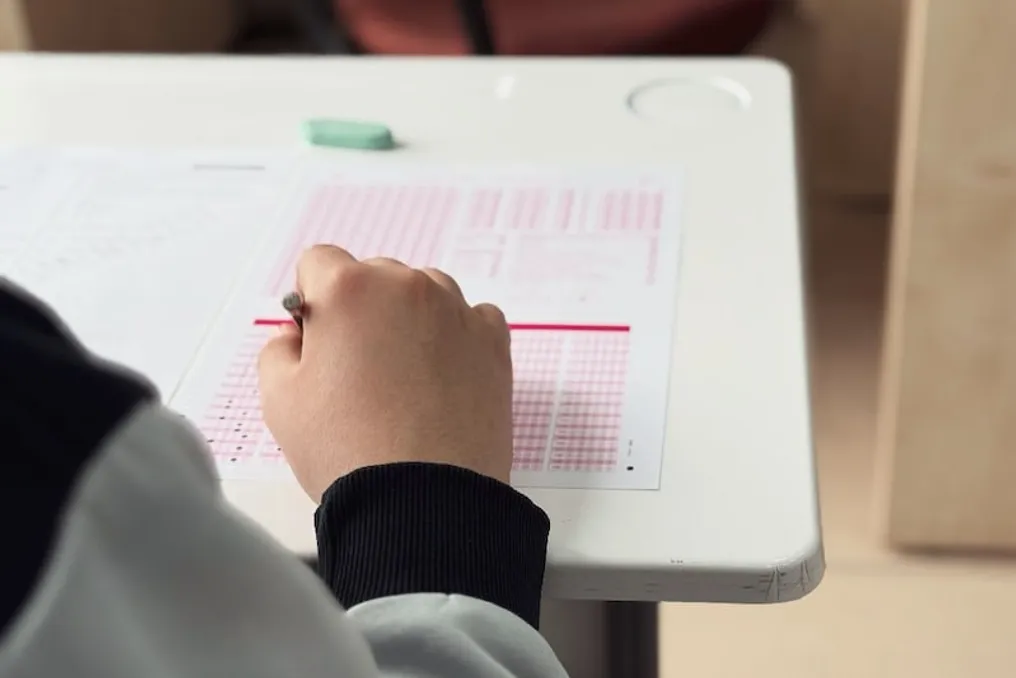
Shahbaz explained that he was always good at academics, ranking first in school and second in undergraduate studies. He then decided to aim for a government position and began preparing for the JPSC exams. However, corruption within the commission and leaks of exam materials destroyed his plans, forcing him onto the streets.
He shared that after months of intense preparation, when news of an exam cancellation or leak arrives, it feels like a part of his life has been taken away. Now, as he takes to the streets for his rights, people mock him, saying, 'Here he is, Netaji!' Even family members are afraid and advise him to stay away. Nevertheless, he stated that he no longer feels ashamed to fight for his rights, and if you speak the truth—you become a leader.
Every month brings new economic and psychological challenges for students living in Rachi dormitories. With limited family funds, collecting fees for accommodation, food, and books presents a serious problem. Shahbaz notes that visits to the village are accompanied by painful questions from neighbors and relatives about 'how long will the preparation last?' These questions cause him great pain.
Shahbaz reported that due to this uncertainty and depression, many of his peers have dropped out of their studies and returned home. When asked if he had ever considered giving up everything and leaving, he responded very emotionally. He admitted that when stress reaches its limit, the desire arises to give up everything and return, but then the trust of his parents and childhood dreams come to mind. He emphasized that they took to the streets not to sow disorder, but only to stop the trading of their labor.
Ultimately, because of how the system drove him to this state, he began to think that it would be better to work on fixing the system by becoming a leader than to engage in paid employment. His main request to the government is to conduct all entrance exams with complete transparency and impartiality, as well as to strictly punish those responsible and provide timely justice to deserving candidates. The question of which body should conduct the investigation remains a subject of discussion among the government and the judiciary, but students expect an investigation that all parties can trust and that will reveal the truth.