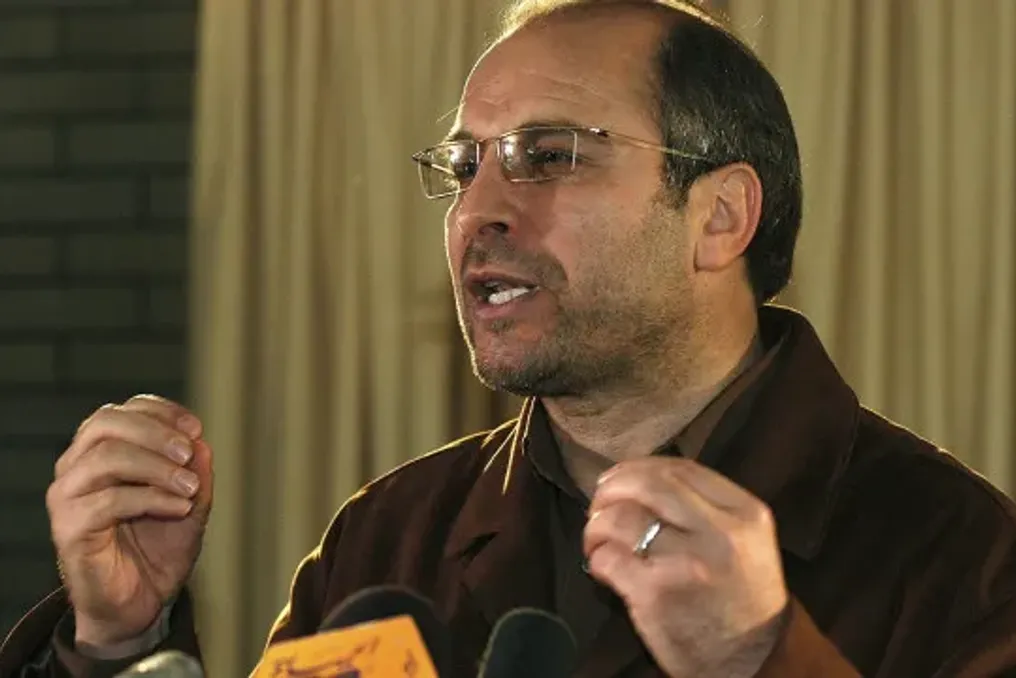
The president of the Iranian parliament criticized the United States' statements, labeling them as 'continuous theatrical diplomacy.' Qalibaf expressed his opinion on social media, referring to repeated statements by Donald Trump, who frequently interrupted announced attacks against Iran under the claim that the Islamic Republic was requesting negotiations.
Iran's chief negotiator demanded that the parties recognize the facts and fulfill their agreements, stating that 'we do not need more theatre.' He also maintained that using intimidation, unfulfilled promises, and fake news as bargaining tools constitutes an ineffective tactic.
In this context, Donald Trump posted on social media that, in Iran, 'a country that has been devastated with the goal of never allowing itself to possess a nuclear weapon, things are going very well!'
The United States and Iran have been in a state of war since February 28, following a coordinated offensive between Israel and the United States. In response, Tehran carried out attacks in the region and announced the blockade of the Strait of Hormuz.
Previously, on June 17, the two nations had signed a memorandum of understanding that provided for an immediate ceasefire and the opening of negotiations for a period of 60 days aimed at a definitive peace agreement. However, the parties returned to military confrontation.
Tehran reintroduced the announcement of restrictions in the Strait of Hormuz, through which 20% of global oil trade circulated before the conflict, while Washington resumed a naval blockade on Iranian ports. Trump, for his part, ordered the suspension of air attacks, claiming to have acted at the request of mediating countries and the Islamic Republic itself. However, the latter denies holding conversations with Washington, asserting that it negotiates only with Oman regarding passage through the Strait of Hormuz.