Samsung introduced two new smartwatches at the Galaxy Unpacked event in London, with each model designed for different types of users.
Model Concepts
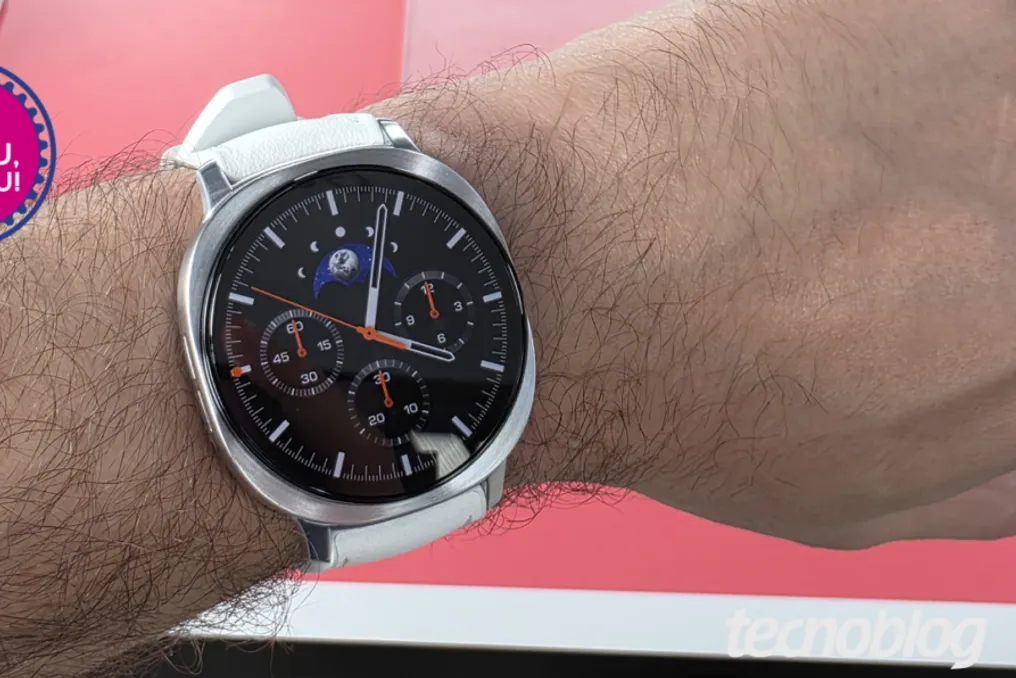
The Galaxy Watch9 is positioned as a lighter option for daily use, intended for monitoring sleep, physical activity, recovery, and heart health. In contrast, the Samsung Galaxy Watch Ultra2 is a more rugged model aimed at trail runners, divers, and individuals requiring significantly longer battery life.
Galaxy Watch9 Specifications
The Watch9 is available in 40mm and 44mm sizes. This model retains the round display and aluminum casing characteristic of Samsung. The screen reaches a brightness of 3000 nits, and the battery capacity is increased to 390 mAh for the smaller version and 445 mAh for the 44mm model. Both versions utilize the new Qualcomm Snapdragon Wear Elite platform, equipped with 2 GB of RAM and 32 GB of internal storage.
Watch9 Health Features
Samsung's new health tools include Vitals, which tracks significant deviations from the user's usual nighttime metrics, and Heart Health Score, which translates cardiovascular information into a simple daily rating. The Daily Cardio Load feature helps balance training and recovery periods, while the Fitness Index assesses overall physical fitness. The watch can also alert users to potentially unsafe noise levels. Samsung emphasizes that its health tools do not replace medical consultation, and feature availability may vary by market.
Watch Ultra2 Advantages
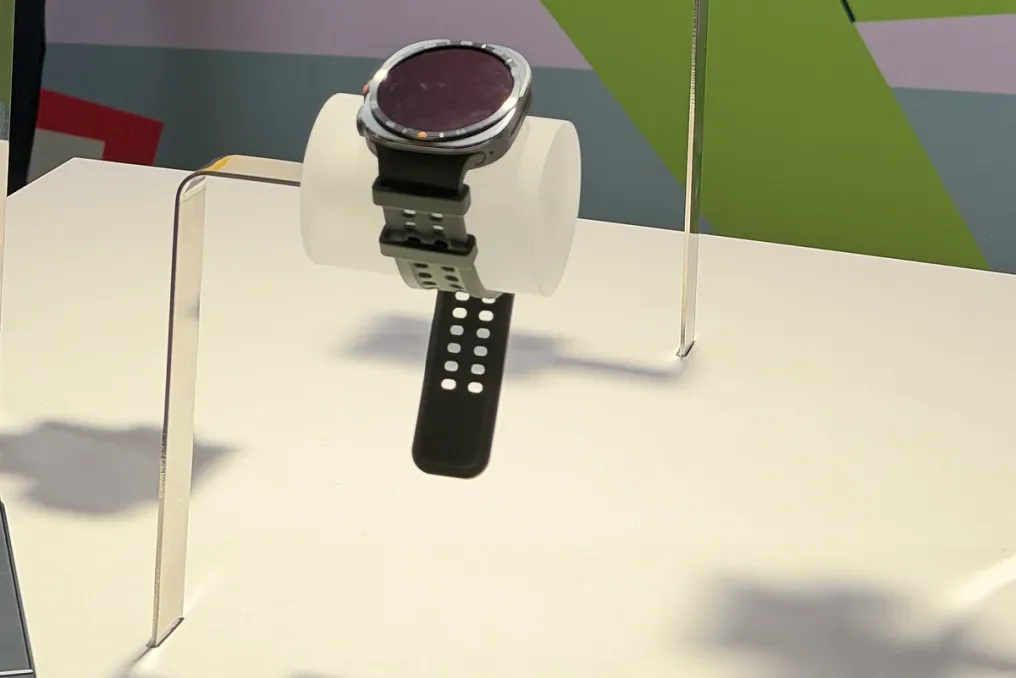
The 47mm Watch Ultra2 model offers enhanced features: a titanium case, an 800 mAh battery, and a display capable of reaching 5000 nits. Despite the larger battery volume, Samsung claims the Ultra2 is 12 percent thinner than the previous Ultra. New capabilities include trail running tracking, hydration recommendations based on estimated sweat loss, and automatic dive data covering depth, time, and water temperature. The model holds ratings of 10ATM, IP69K, and EN13319.
Prices and Availability in the UAE
In the United Arab Emirates, official prices for the Watch9 are 1449 AED for the 40mm version and 1564 AED for the 44mm version. LTE-enabled versions cost 1649 AED and 1759 AED, respectively. The Watch Ultra2 is offered at 2669 AED. Pre-orders are already open, with general availability scheduled for August 7th. The Watch9 comes in Cream, Graphite, or Silver depending on the size, while the Ultra2 is available in Titanium Silver and Titanium Gray.