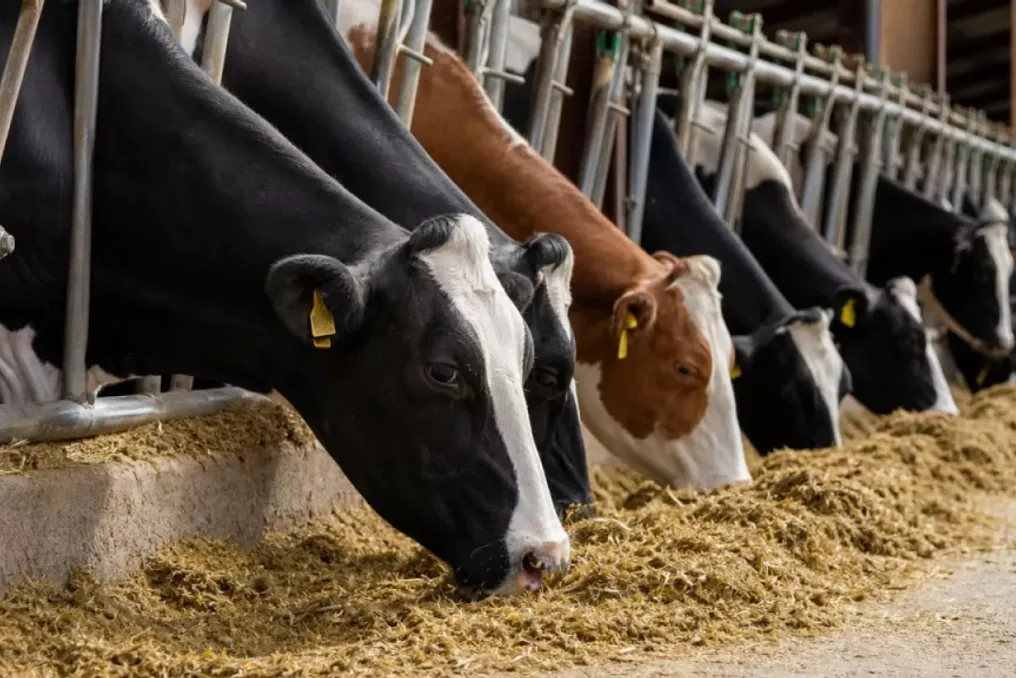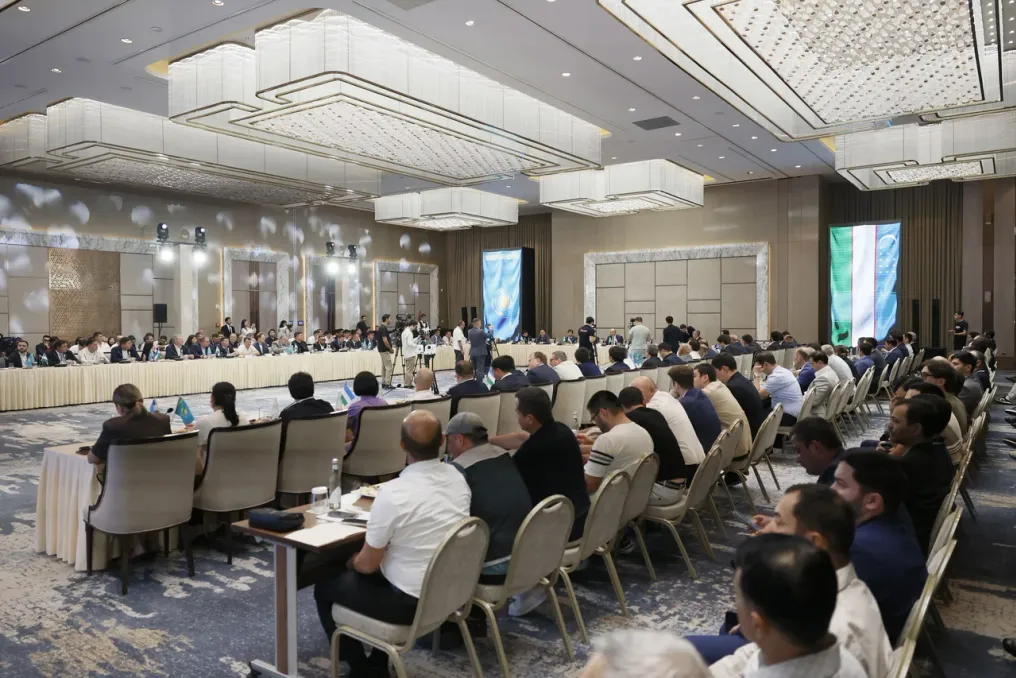
An initiative was discussed at the Uzbek-Kazakhstan business forum in Tashkent that could provide Uzbek entrepreneurs access to pasture lands in Kazakhstan for raising livestock with the aim of subsequent export.
A pilot project covering an area of at least 50,000 hectares was proposed. Dauron Vakhabov, Chairman of the Chamber of Commerce and Industry of Uzbekistan, suggested allowing Uzbek entrepreneurs to invest in purchasing and maintaining livestock in Kazakhstan—from acquiring young stock to fattening it. They would also be granted the right to export cattle weighing over 400 kg to Uzbekistan.
Vakhabov cited previous agreements between Uzbekistan and Belarus, under which an investor who independently establishes a feed base and engages in livestock breeding from the beginning has the right to export both meat and live cattle weighing over 400 kg.
He posed the question: 'If an entrepreneur from Uzbekistan buys a young bull from scratch, develops both dairy and meat production there, and then exports the livestock they raised themselves to Uzbekistan, why can't we raise this issue?'
Due to differences in land availability, Vakhabov proposed designating a pilot zone of at least 50,000 hectares. He noted that in Uzbekistan, up to 0.5 hectares are allocated per head of livestock, whereas in Kazakhstan, this ranges from two to seven hectares per head.
Dauren Salykov, Chairman of the Livestock Union of Kazakhstan, commented on the proposal, stating that current restrictions on the export of live cattle and meat from Kazakhstan are linked to veterinary safety requirements and the need to ensure the domestic market. An export quota of 25,000 tons of meat has been set for the second half of the year.
Salykov suggested differentiating between various categories of producers. He stated: 'If someone comes, invests money, builds facilities, buys and fattens the livestock themselves, they should be allowed to export it. We just need to coordinate this with the Ministry of Agriculture so that such operators have centralized permits and supervision.' He also added that a separate quota regime could be introduced for Kazakh farmers specializing in livestock breeding without the fattening stage.
Kanat Sharlapaev, Chairman of the Presidium of the Atameken National Chamber of Entrepreneurs of Kazakhstan, supported this idea, emphasizing its benefits for Kazakhstan. He noted: 'If an entrepreneur comes, builds a feed complex, we know why it was built—to take the produce. They will buy equipment and agricultural machinery and hire workers. Most importantly, a large share of added value will remain and be shared between the investor and the Republic of Kazakhstan. This is exactly what we need.'
The parties agreed to continue discussions. No specific details of the pilot project were determined at the forum, including land location, investor eligibility requirements, or permit procedures.
According to forum data, in 2025, Kazakhstan exported 32,000 tons of beef and 34,000 tons of mutton to Uzbekistan, which is 1.7 times higher than the previous year's figures, with the export value amounting to about 300 million US dollars. Over 90% of Kazakhstan's meat exports go to Uzbekistan.
Kazakhstan possesses 188 million hectares of pastures, and according to the Livestock Union of Kazakhstan, the country's potential allows for increasing the cattle herd from the current 9 million to 25 million heads. Furthermore, the country is implementing a state financing program offering loans at 5% per annum for 10 years with a two-year grace period to support the import of 50,000 breeding females.