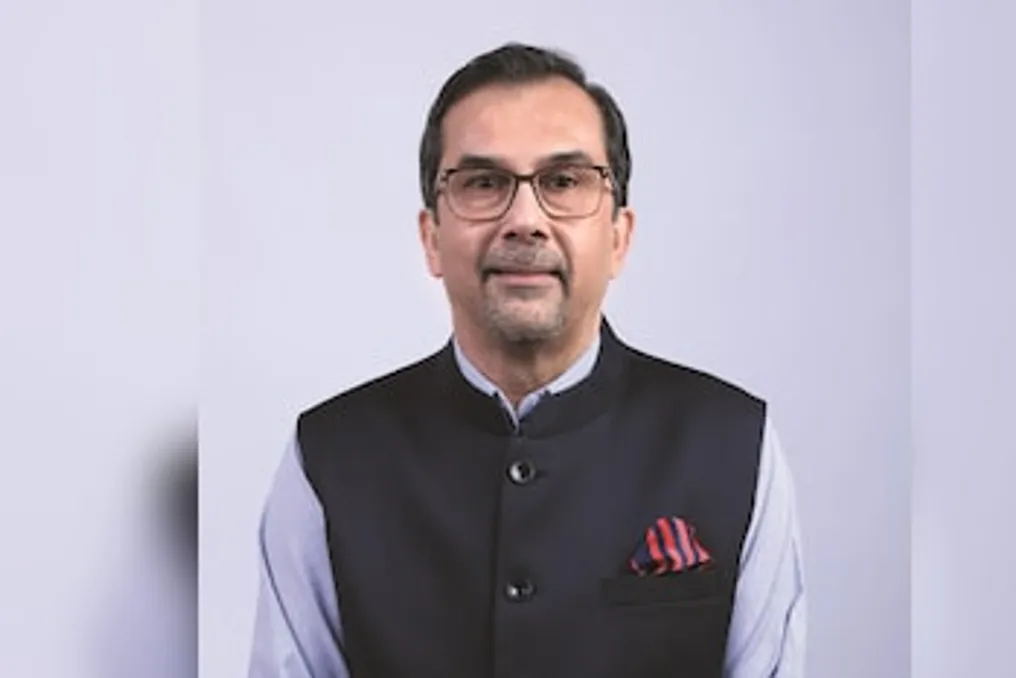
Sanjiv Puri, Chairman of ITC Hotels, stated that the growth of domestic tourism and the focus on experiences are driving forces for the development of the hotel business. The company aims to increase its number of hotels to 250 within five years.
During the company's annual general meeting on Wednesday, Sanjiv Puri noted that India's domestic travel spending is transforming the hospitality sector from a cyclical opportunity into a strategic growth factor, despite challenges related to the Middle East crisis, which continues to affect trade, energy security, and travel.
Puri emphasized that India's young and ambitious demographic is increasingly turning to experience-based tourism. Domestic tourism surged post-pandemic, reaching over 4 billion visits compared to approximately 2.3 billion before the pandemic. Furthermore, domestic tourist spending is expected to nearly double—from 19 trillion rupees to 36.5 trillion rupees by 2036.
ITC currently has a portfolio of 78 hotels with over 8,000 rooms, supporting its goal to expand the portfolio to 250 hotels and more than 22,000 rooms in the next five years. ITC is developing new properties in Puri, Visakhapatnam, and Delhi, and is increasing its hotel in Bhubaneswar by adding about 670 rooms.
The company also plans to grow organically by acquiring new properties in Kerala and entering into a purchase agreement in Ahmedabad. Moreover, agreements have been signed for real estate in Ayodhya, Bodh Gaya, Gandhinagar, Guwahati, Jaipur, Rajgir, Shahjahanpur, and Shirdi to strengthen its presence in key destinations.
Currently, the company manages about 150 hotels with over 14,200 rooms in India, Sri Lanka, and Nepal. The company's total revenue in the fiscal year 2026 grew by 19 percent to 4,331 crore rupees, and net profit increased by 29 percent.
Sanjiv Puri noted that these high figures reflect disciplined management, astute revenue management, and operational excellence focused on superior guest experience. He added that the company's strategy is based on leveraging digital technologies and artificial intelligence (AI) to enhance guest experience, improve operational efficiency, ensure more accurate revenue management, and provide seamless solutions. The company continues to invest in cloud digital architecture, AI, and integrated data capabilities across its growing network.
He also stated that tourism is a powerful stimulus for economic growth and contributes significantly to regional development. It is a major employment multiplier covering the hotel industry, restaurants, travel and logistics, digital platforms, and ground support for skilled guides, among others. It is projected that by 2036, this sector will account for 7 percent of the country's GDP and provide 13 percent of employment, creating over 15 million additional jobs.