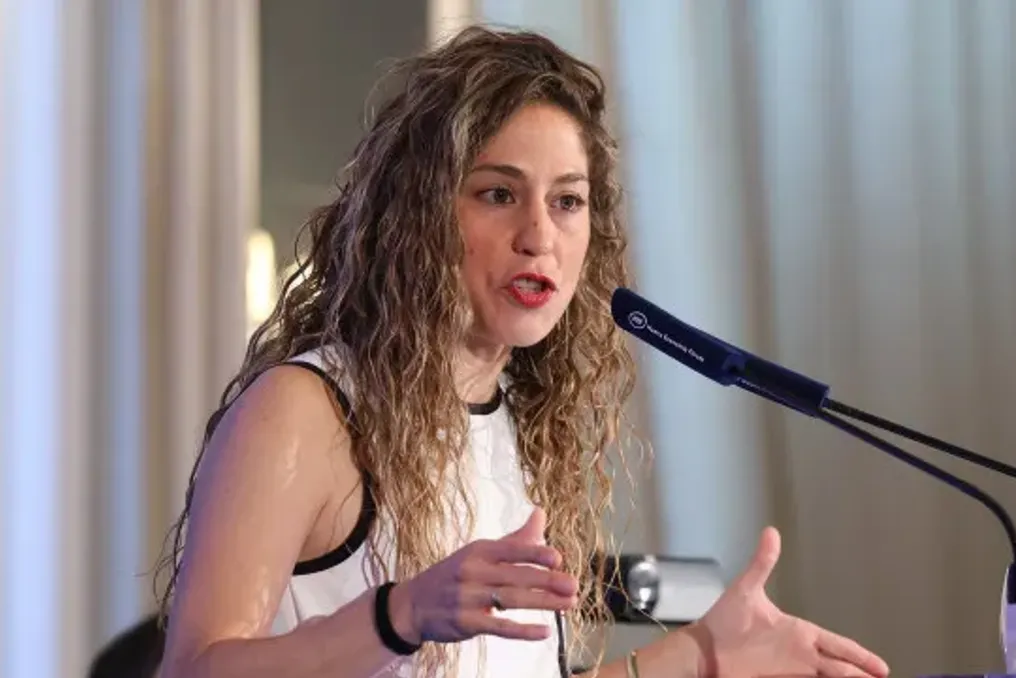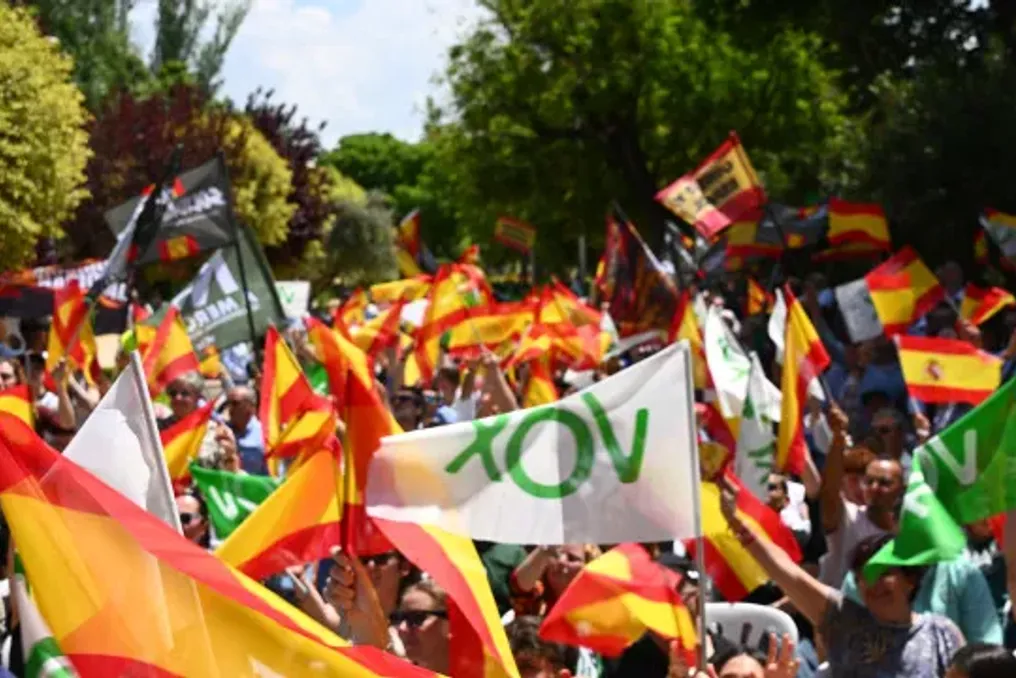
The Vox party has requested that the Spanish government pressure the International Football Federation (FIFA) to remove Morocco from the organization of the 2030 World Cup. The request is based on what were described as 'extraordinarily serious and hostile attacks on the national sovereignty and territorial integrity of Spain' that occurred in Ceuta.
Additionally, Vox expressed 'serious doubts' about Morocco's capacity to participate in organizing an event of such magnitude. The party warned that if Morocco was not excluded, it could result in a 'deliberate humiliation' for Spain.
The organization also demanded complete transparency and objectivity regarding Moroccan participation, after rumors surfaced that Gianni Infantino, FIFA president, had offered the tournament final to the North African country in exchange for electoral support. However, FIFA denied this information.
Vox argued that events of this scale require host countries to provide complete guarantees of security and stability, maintaining a relationship of trust, cooperation, and mutual loyalty. These conditions, according to the party, were violated following the 'intolerable invasion of Spanish territory by more than 80,000 Moroccans in Ceuta.'
Vox joins Sumar and Livre Portuguese
In Portugal, the Livre party sent correspondence to Prime Minister Luís Montenegro, asking the Portuguese Government to publicly express its opposition to Morocco remaining as a partner in the 2030 Football World Cup. Livre deputies mentioned that, given the sensitivity of the issue, they expect diplomacy and contact with the Royal Spanish Football Federation and the Spanish government to be made as quickly as possible to avoid impacts on the championship's organization and on the role of Portugal and Spain.
Concurrently, in Spain, the Sumar party also called for Morocco's removal from the joint organization of the World Cup, citing human rights violations resulting from the massive entry of migrants at the Ceuta border. Through a non-binding motion, the four signatory deputies—three of whom are members of Esquerda Unida—urged the Spanish government to formally notify FIFA, the Spanish federation, and the Portuguese Executive about the need to re-evaluate the model of joint competition organization.
In its proposal, Sumar argued that an event of this size demands a large mobilization of public resources and state commitments, requiring host countries to have 'effective and continuous respect for human rights, international law, and democratic principles.' The parliamentary group also requested an independent study on human rights risks in the host countries, to be presented to Congress in six months, along with suggestions for actions should serious violations be confirmed.
It should be noted that, in addition to the organization in Portugal, Spain, and Morocco, the 2030 World Cup will feature three commemorative matches in Uruguay, Argentina, and Paraguay, marking the centenary of the first edition of the tournament, held in Montevideo in 1930.