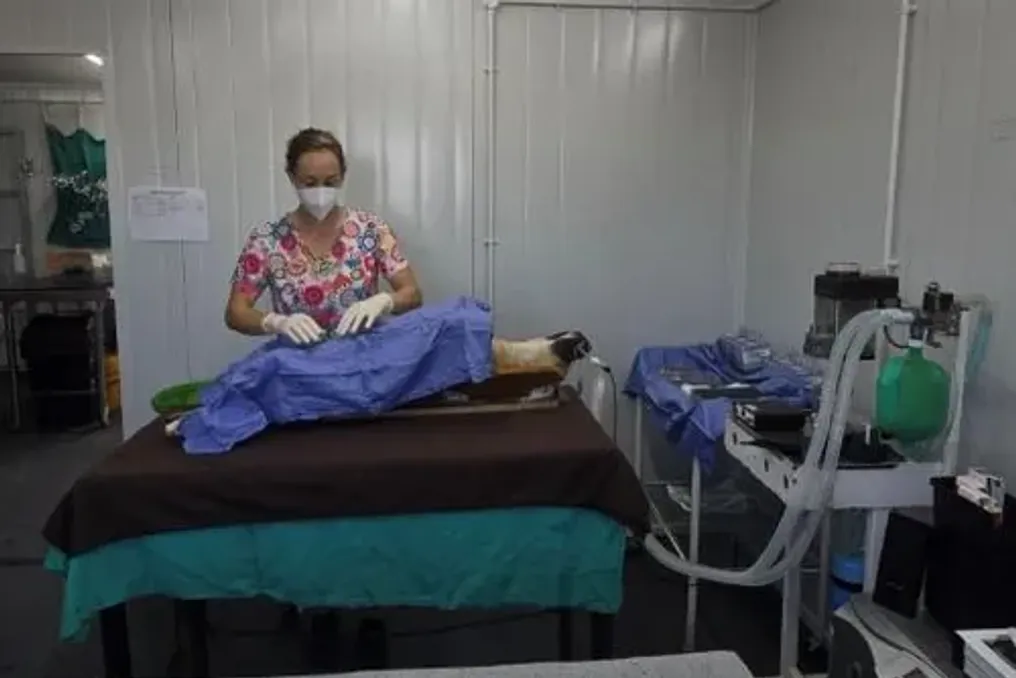
Six weeks after launching the mass sterilization campaign in mid-June, Mdzananda Animal Clinic reported that nearly 500 dogs have been sterilized. This campaign aims to reach a target of 1000 sterilizations amid intensified efforts to control the excessive growth of the animal population.
The clinic, located in Khayelitsha, Cape Town, is conducting these procedures in addition to its daily surgical sterilization program on site. This demonstrates the organization's commitment to addressing the growing problem of pet overpopulation in Khayelitsha and surrounding areas.
Marcel du Plessis, Mdzananda's Executive Director of Fundraising and Communications, calculated that there are approximately 300,000 dogs and cats living in Khayelitsha, and this number continues to rise with the growth of the human population. She emphasized that without large-scale sterilization, the number of unwanted animals increases rapidly, placing immense pressure on families, communities, animal welfare organizations, and already limited resources.
Du Plessis noted that sterilization is one of the most humane and effective ways to reduce animal suffering. It prevents the birth of unwanted offspring, reduces the number of animals facing abandonment, neglect, and cruelty, and contributes to the health of pets and increased community safety.
Furthermore, sterilized animals are less likely to roam, engage in fights, or contract certain diseases, which improves their overall condition and reduces the burden on owners.
Mdzananda Animal Clinic and Shelter is the only non-profit veterinary clinic serving Khayelitsha and adjacent areas, and it is celebrating 30 years of service to the community. The clinic provides affordable veterinary care to thousands of pets annually, acting as a vital support for owners who would otherwise lack access to veterinary services.
Du Plessis added that poverty in their area makes private veterinary care unaffordable for many families. Despite this, community members love their animals and wish them well, but they heavily rely on the clinic's services to maintain pet health and prevent unwanted litters.
Although almost half of the campaign's target has been reached, the organization is calling on the public to help fund the remaining sterilizations. Donors can sponsor one procedure for just 200 Rands, thereby helping to prevent countless future litters and break the cycle of animal suffering before it begins.
Du Plessis stressed that one sterilization changes the life of one animal by preventing the birth of generations of unwanted puppies and kittens in difficult circumstances. She urged supporters to choose sponsoring a sterilization instead of dining out to make an exceptional and long-term impact.
The organization hopes to reach the goal of 1000 sterilizations, which will lead to long-term changes for the animals, pet owners, and the entire Khayelitsha community.