When travelers picture the wildlife of South Africa, the 'Big Five' usually capture attention. However, some places across the country have gained fame not because of lions or elephants, but because of birds.
When travelers picture the wildlife of South Africa, the 'Big Five' usually capture attention. However, some places across the country have gained fame not because of lions or elephants, but because of birds.
These feathered inhabitants have transformed landscapes into must-see attractions, whether it's bustling penguin colonies, dazzling flocks of flamingos, or massive communal nests that have existed for decades.
Here are five locations in South Africa where birds are the reason for their popularity.
Several wildlife experiences are as memorable as watching African penguins waddle on the white sand against the backdrop of the Atlantic Ocean. When a small group of penguins settled in Boulder's Beach in the early 1980s, few could have predicted they would turn this quiet corner of Simon's Town into one of South Africa's most beloved attractions.
Today, visitors can observe these endangered birds from elevated boardwalks without disturbing their habitat. There are also areas near the beaches where swimming alongside them is possible. This colony has become one of the country's most photographed natural sights and plays a vital role in the conservation of African penguins.
Tip: It is best to visit early in the morning or late in the afternoon when there are fewer people on the boardwalks and the penguins are most active.
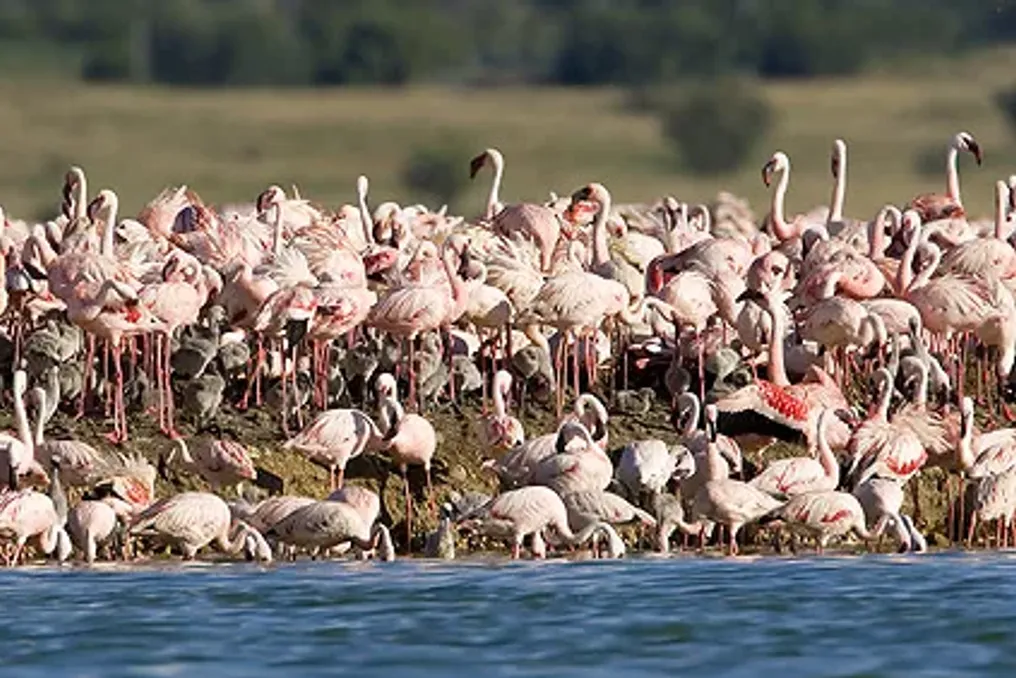
On the outskirts of Kimberley lies one of Africa's most impressive bird spectacles. Kamfers Dam is famous for hosting thousands of small and large flamingos, whose bright pink coloration creates a stunning contrast on the shallow water.
The creation of an artificial island for breeding helped establish one of the few successful breeding sites for Lesser Flamingos in South Africa. During peak periods, the sight of thousands of birds feeding, nesting, and taking flight together is unforgettable.
This reservoir has become a magnet for photographer-ornithologists and wildlife enthusiasts, proving that exceptional natural experiences can be found even close to urban centers. It is recommended to bring binoculars or a zoom lens, as the scale of the flamingo gatherings is best appreciated from a distance.
Although Lambert's Bay is known for fresh seafood, the city's main natural attraction is Bird Island. This island, connected to the mainland by a short causeway, is home to one of the world's few colonies of California gannets.
During the breeding season, thousands of gannets gather on the island, filling the air with constant movement and recognizable cries. Visitors can watch adult birds returning from fishing, chicks patiently awaiting food, and dramatic aerial displays as the birds dive into the Atlantic.
The opportunity to observe from a high bird hide allows for close viewing of the birds while minimizing disturbance, making it one of the best places to watch seabirds in South Africa. Tip: Plan your visit at dawn or dusk to enjoy the beautiful coastal light and excellent photographic opportunities.
Unlike most birds, social weavers do not limit themselves to small nests. Instead, they construct giant communal structures resembling enormous haystacks suspended in Camel Thorn trees and telephone poles.
Some of these nests are occupied and expanded over decades, housing hundreds of birds in individual nesting chambers under a common roof. They are considered among the largest bird constructions on Earth and have become iconic features of the Northern Cape landscape.
Traveling through areas around Kgalagadi and Namakwa Land often feels like driving through a landscape designed by birds themselves, with massive nests visible from the roadside. It is worth stopping in a safe spot on quiet roads to appreciate the amazing engineering that allows these nests to withstand years of harsh desert weather.
The sprawling grasslands of the Free State remain one of the best places in South Africa to encounter the elegant secretarybird. This striking predator, standing over a meter tall with long legs and distinctive black plumage on its crest, is unique among all the continent's birds.
Instead of hunting in the air, secretarybirds patrol the open grasslands on foot, using powerful strikes to take down snakes, rodents, and other prey. Their unusual hunting behavior has made them one of the most fascinating birds to observe in the African wild.
While meeting one requires patience, seeing it confidently stride across the veld is an unforgettable reward and a reminder that South Africa's open plains support wildlife as magnificent as its famous reserves.
These destinations prove that birds are capable of shaping places as profoundly as mountains, coastlines, or large animals. Whether through building vast communal nests, creating vibrant colonies, or coloring entire wetlands pink, their presence has transformed ordinary landscapes into exceptional tourist experiences.
When it gets hot in South Africa, there is nothing better than replacing a crowded public pool with a mountain rock pool, a waterfall pool, or a crystal-clear river. Throughout the country, nature has created swimming spots that reward those willing to walk a little further, explore longer, and enjoy nature. From the icy mountain pools of the Western Cape to hidden bathing spots in the Drakensberg, these natural water bodies offer more than just a way to cool down; they are part of an adventure.
Below are some of the most picturesque natural swimming spots in South Africa that are worth adding to your travel list.
Some of the most famous natural swimming spots in South Africa are the Crystal Pools, located in the Steenbras Nature Reserve near Gordon's Bay. The hike takes approximately 45 minutes to an hour through fynbos-covered slopes, after which a series of emerald pools connected by small waterfalls opens up. The first pool is suitable for a quick dip, while the upper pools delight tourists with a quieter atmosphere and impressive rock formations. The water temperature remains refreshingly cold even in summer, making the effort worthwhile.
Inside the Limetberg Nature Reserve, near Paarl, the Krom River Trail leads hikers through local forest before they reach a series of deep mountain pools and waterfalls. Unlike many popular swimming spots, these pools feel surprisingly secluded. The route includes several river crossings, enhancing the sense of adventure.
Beverlek has gained legendary status among campers. Located in the rugged Cederberg region, this reserve is dotted with waterfalls, deep bathing pools, and natural rock slides that entertain visitors for hours. Camping under high cliffs allows for easy spending of entire weekends exploring one pool after another.
Surrounded by the majestic peaks of the Drakensberg, Nguni Pools are among the most scenic freshwater swimming spots in the province. These pools are fed by clean mountain streams and are reached by a relatively easy walk from the Cathedral Peak hotel. Their calm water and breathtaking scenery make them a favorite spot for tourists looking to cool off after exploring the area.
A hike through Tugela Gorge offers much more than just dramatic Amphitheatre views. Along the way, tourists find several clear rock pools that provide relief on hot days. The surrounding basalt cliffs and flowing river create one of the most memorable wilderness adventures in the country.
While Lison Falls is known for its magnificent waterfall, smaller rock pools upstream offer opportunities for refreshing swims. The surrounding Panorama Route makes it easy to combine visits to several waterfalls in one day. Furthermore, visitors often stop at Mak Mak Falls without realizing that quieter pools can be found further down the river. Although swimming directly under the main waterfall is prohibited, calmer pools upstream offer a peaceful alternative surrounded by local vegetation.
Less crowded than many hiking trails in Cape Town, the Cecilia Forest trail passes under tall trees before reaching a quiet waterfall and shallow mountain pools. The cool atmosphere of the forest makes it an ideal refuge on hot summer afternoons.
Long a favorite among Gauteng residents, Mountain Sanctuary Park features numerous natural pools, streams, and waterfalls hidden among quartzite cliffs. Unlike many day trip destinations, visitors here can spend entire weekends moving between different swimming spots.
Located in the Amatola mountains, Gudu Falls delights hikers with pristine waterfalls cascading into clear mountain pools surrounded by local forest. This area remains relatively unknown, making it perfect for travelers seeking to avoid crowds.
Natural pools are beautiful, but they require respect. Water levels can change rapidly after rain, rocks are often slippery, and many pools are located in protected areas.
Some of the best swimming spots in South Africa must be earned. Whether it's a short forest walk, a mountain trek, or a weekend camping trip, these natural pools offer something no artificial pool can replicate: the feeling of discovering a hidden corner of the country. Sometimes the best way to experience South Africa is not to chase the biggest attraction, but to follow a hiking trail until the sound of running water leads you to an unforgettable place.
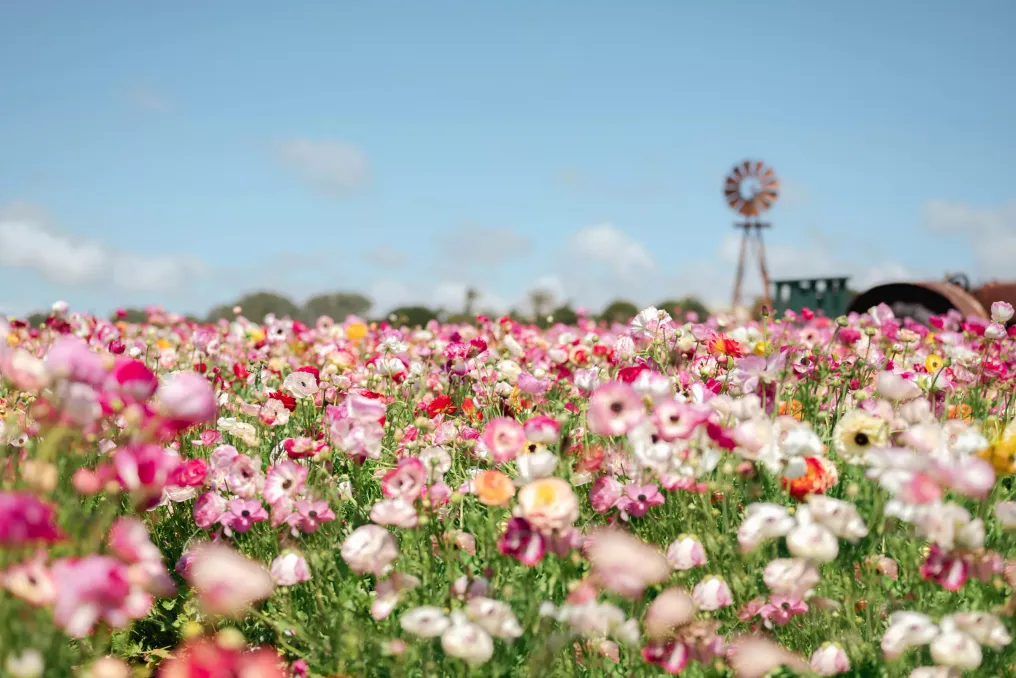
Spring in South Africa is traditionally associated with the lush blooming of wildflowers on the West Coast; however, there is a more personal way to enjoy the floral season—by visiting working flower farms. Instead of merely admiring flowers from behind a fence, visitors can stroll through the farms, gather seasonal stems into a basket, and leave with a bouquet picked by their own hands.
Flower farms across the country, from Cape Winelands to Bloemfontein and Benoni, open their doors to guests throughout spring and summer. Many of these farms were originally family holdings or small flower cultivation businesses but have since transformed into venues that offer guests a unique experience celebrating local flora, sustainable development, and slow travel. These farms provide some of the most memorable spring excursions for those wishing to pick flowers themselves in South Africa.
Tal Florals in Bloemfontein
What began as a commercial cut flower farm has evolved into one of the most renowned flower-picking spots in the Free State. Tal Florals grows seasonal flowers for florists and events but annually opens certain fields to the public during the picking season. Guests can wander among rows of seasonal blooms before cutting their own bouquet. Spring flowers include sweet peas, ranunculus, anemones, carnations, and stocks, while warmer months bring dahlias, lisianthus, celosia, zinnias, and garden roses.
Best time to visit: September to April, with spring offering the widest variety of cold-hardy flowers. Saturday mornings are reserved for flower picking.
How to book: Tickets must be purchased on the Tal Florals website prior to your visit. Visitors are advised to bring their own gardening shears and basket.
Flower Haven Farm in Benoni
Located within Shed & Silo in Benoni, Flower Haven Farm was created to introduce visitors to the process from field to vase. This family farm has become a botanical attraction combining flower picking with educational workshops and seasonal events. Unlike traditional flower farms focused solely on harvesting, Flower Haven encourages visitors to slow down, explore the gardens, and learn about growing seasonal flowers. During the blooming season, guests are given cuttings before heading to the fields to create their own bouquet.
Best time to visit: The blooming season typically runs from August to April, with weekends open depending on weather conditions. It is recommended to visit early in the morning for the freshest flowers.
How to book: Visits are welcome without prior booking, although advance reservation is recommended for large groups. Opening dates and seasonal updates are published on the farm's website.
Adene’s Farm Flowers in Gauteng
Although Adene’s Farm Flowers is best known for its Western Cape flower farm, it also hosts its popular 'Pick Your Own' experience in Gauteng every spring at The Big Red Barn in Olifantsfontein. The farm, founded by gardener Adene Cronje, specializes in premium cut flowers, opening its gates on specific dates each year for beloved Open Days. Visitors are invited to walk through the flower fields, enjoy the beautiful scenery, and purchase fresh bouquets directly at the source. This experience is more focused on celebrating local flowers in peak season than on the act of picking itself.
Best time to visit: Spring, especially between August and October, when Open Days are usually held.
How to book: Open Day dates are announced on the Adene’s Farm Flowers website, and online booking is required before visiting.
Chart Farm in Stellenbosch
Long before flower farms became popular weekend destinations, Chart Farm was already welcoming visitors to its rose gardens. Established in the 1960s on the historic Klaasensbosch estate in Stellenbosch, it remains one of Cape Town's oldest rose farms. During bloom time, visitors can stroll among thousands of roses with Table Mountain rising in the background. Fresh roses can be bought directly on the farm, making it a favorite spot for photographers and gardeners.
Best time to visit: October – November, when the roses are in full bloom.
How to book: Advance booking is usually not required for general visits. Current operating hours are available on the Chart Farm website.
Akanaka Blooms in Johannesburg
Akanaka Blooms recently relocated to Walker Fruit Farms in De Deure, south of Johannesburg. This boutique flower farm focuses on organic seasonal flowers and offers visitors the opportunity to get closer to the flowers at their point of origin through workshops and seasonal events. Rather than large-scale tourism, Akanaka offers intimate experiences centered around flowers, creativity, and the changing seasons.
Best time to visit: Spring and early autumn, when seasonal flowers are in full bloom.
How to book: Workshops and seasonal events are posted throughout the year on the Akanaka Blooms website, and advance booking is recommended.
Flourish Urban Flower Farm in Cape Town
Flourish Urban Flower Farm proves that extensive rural land is not necessary to grow magnificent flowers. This urban flower farm was established to provide local seasonal flowers and promote sustainable floriculture within the city. Throughout the blooming season, Flourish hosts workshops and periodic open farm events where visitors can learn about cut flower cultivation, bouquet composition, and supporting local florists.
Best time to visit: Spring until early summer.
How to book: Workshop and visit dates are announced on the Flourish Urban Flower Farm website.
Femme Petale Flowers in Pretoria
Located near Pretoria, Femme Petale Flower Farm cultivates seasonal flowers, offering visitors a chance to see locally grown blooms in a tranquil rural setting. The farm is known for its floral workshops, events, and thoughtfully curated experiences dedicated to seasonal flowers. While primarily known for weddings and floral design, the farm also hosts seasonal events and workshops allowing visitors to connect with the flowers behind the arrangements.
Best time to visit: Spring and summer, when seasonal flowers are at their best.
How to book: Upcoming events and workshops are listed on the Femme Petale Flowers website.
There is a deep satisfaction in leaving a flower farm with muddy boots, tired hands, and a bouquet picked by your own hands. These experiences invite travelers to slow down, appreciate the rhythm of the seasons, and discover the people who cultivate some of South Africa's most beautiful flowers. As the blooming season has now begun in many parts of the country, these farms offer a refreshing alternative to typical spring trips. Whether you plan a road trip or a short weekend getaway, picking your own flowers in South Africa is one of spring's simplest pleasures.
Across the territory of South Africa, mountains, craters, caves, and canyons hold evidence of ancient volcanoes, meteorite impacts, continental shifts, and rivers that have shaped the landscape over billions of years.
These sites reveal extraordinary geological forces that formed South Africa long before humans appeared, whether you are fascinated by fossils, interested in plate tectonics, or simply enjoying dramatic natural scenery.
The Barberton Makhonjwa Mountains are among the oldest exposed rock formations on the planet, estimated to be about 3.5 billion years old. Recognized as a UNESCO World Heritage site, these mountains provide scientists with a unique window into the early Earth's crust and the conditions present during the dawn of life.
Unlike many ancient formations heavily altered by time, the rocks here are exceptionally well preserved. Visitors can hike the Barberton Makhonjwa Geotrail—a self-drive route featuring viewpoints and information boards explaining volcanic activity, ancient oceans, and some of the earliest known geological processes.
Approximately two billion years ago, a massive meteorite struck central South Africa, creating the largest confirmed impact structure on Earth. Although erosion has worn away much of the original crater, the Vredefort Dome still demonstrates the immense forces released during the collision.
The impact exposed deep layers of the Earth's crust, forming unusual mountain structures and impressive folded landscapes. Today, visitors can explore hiking trails, river routes, and participate in guided geological tours detailing how this collision permanently changed the surrounding region. This dome is also a UNESCO World Heritage site, underscoring its global scientific significance.
Pilanesberg National Park is known for Big Five safaris, but many tourists do not know they are driving through the remnants of an extinct volcano. The park is located within one of the world's largest alkaline volcanic ring complexes, which formed about 1.2 billion years ago.
Over time, erosion has removed the volcanic cone, leaving behind a ring of hills that now surrounds fertile, wildlife-rich valleys. This unique geology contributes to Pilanesberg's outstanding biodiversity, as varying altitudes and soil types support numerous ecosystems. It is one of the few places where wildlife viewing can be combined with a lesson in volcanic history.
The mighty Orange River plunges nearly 60 meters into a dramatic granite canyon in Augrabies National Park, creating one of South Africa's most impressive geological spectacles. Over millions of years, the flowing water has carved deep channels into the ancient granite bedrock, leaving polished stone surfaces, high cliffs, and amazing erosion patterns.
The name 'Augrabies' derives from the Khoi word Khoi Aukoerebis, meaning 'place of great noise'—a fitting description for the thunderous waterfalls, especially after seasonal rains. Panoramic viewpoints throughout the park showcase the colossal power of water in shaping the landscape over geological time.
Near Pretoria lies Cswaning Crater, one of the best-preserved meteorite impact craters in the world. It formed approximately 220,000 years ago when a meteorite fell to Earth. The crater is about 1.13 kilometers in diameter and once contained a salt lake that attracted both wildlife and early humans.
A hiking trail leads visitors down into the crater, where informational plaques explain the impact event, local ecology, and archaeological findings. The combination of geology, archaeology, and biodiversity makes Cswaning an engaging destination for curious travelers.
Hidden beneath the Swartberg Mountains near Oudtshoorn, Kango Caves demonstrate millions of years of slow geological transformation. Formed in thick limestone deposits, the caves gradually developed under the action of groundwater dissolving the rock, resulting in vast chambers adorned with magnificent stalactites, stalagmites, and delicate flowstone formations.
Tours showcase majestic caverns such as Van Zila Hall and Cleopatra's Needle, while explaining the geological processes responsible for these remarkable natural sculptures. The caves remain one of South Africa's most famous natural attractions, continuing to inspire visitors with their subterranean beauty.
South Africa's geological wonders tell stories spanning billions of years—from ancient volcanic eruptions and colossal meteorite impacts to rivers patiently carving canyons and caves beneath the surface. Visiting these sites offers more than just picturesque views; it is an opportunity to witness the forces that shaped not only South Africa but our planet as a whole. For geology enthusiasts, every rock, cliff, and crater reveals a new page in Earth's extraordinary history.