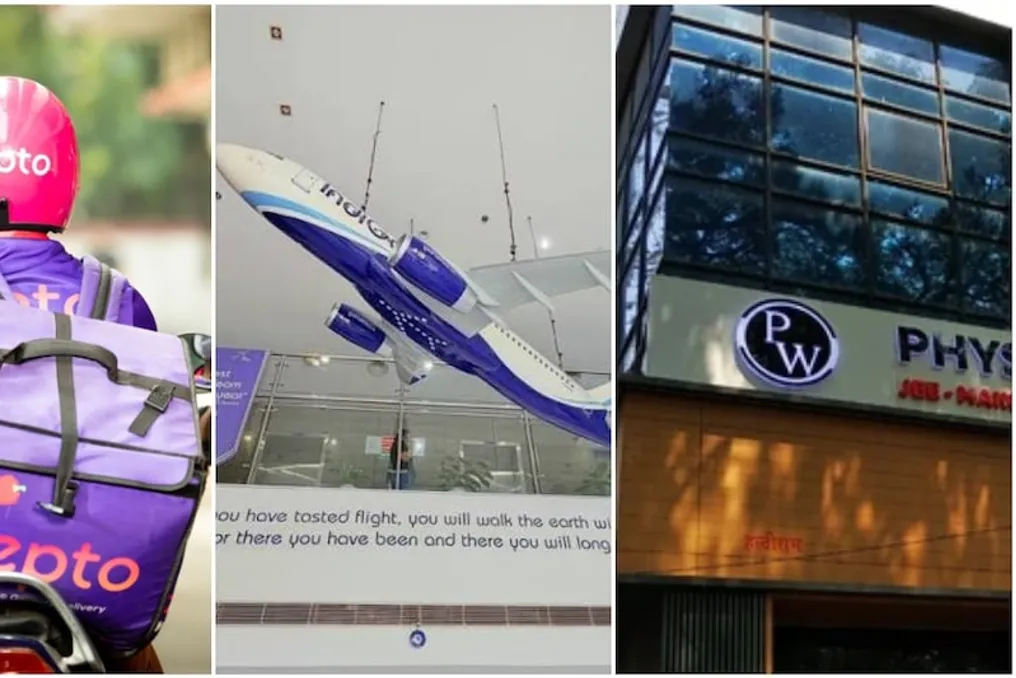
The central government has intensified control over the online shopping and food ordering sectors, tightening measures against hidden charges imposed on consumers and the automatic addition of donations or membership fees without user consent. The Central Consumer Protection Authority (CCPA) has begun taking action against nine digital platforms, including Zepto, PhysicsWallah, and IndiGo. The government informed Rajya Sabha that these companies were directed to cease such practices online.
The Ministry of Consumer Affairs stated in a written response to Parliament that actions against 'dark patterns' in digital markets have been accelerated. According to media reports, the CCPA has already imposed fines amounting to approximately 20 million rupees for violations of 'dark patterns' guidelines. Furthermore, in June 2025, all e-commerce platforms were notified about the necessity to conduct a self-audit to identify and eliminate such patterns.
Under the Guidelines for Prevention and Regulation of 'Dark Patterns' 2023, 13 types of deceptive methods used on online platforms were identified. These methods are considered aimed at misleading customers or influencing their choices. Among them are practices such as False Urgency, Basket Sneaking, Drip Pricing, Subscription Trap, Confirm Shaming, and Trick Question.
According to the government, the largest fine of 700 thousand rupees was imposed on the Zepto Marketplace platform. The investigation revealed that processing fees and membership fees were automatically charged during checkout. The CCPA classified the processing fee as Drip Pricing, and the automatic subscription as Basket Sneaking. The company stated that it has stopped using these practices.
PhysicsWallah was fined 500 thousand rupees after the CCPA took up the case based on its own knowledge of the situation. The case concerned a pre-selected donation of 10 rupees for PW Foundation. It was found that users were shown emotional messages to prevent them from deleting the donation, and unnecessary personal information was requested to access some free courses. The government clarified that the company paid the fine and ceased such activities.
The government reported that IndiGo made changes to its mobile application following complaints related to Confirm Shaming. Meanwhile, BookMyShow was instructed to remove a pre-selected donation of 1 rupee when purchasing tickets for its social initiative BookASmile. The CCPA also classified this as Basket Sneaking.
According to government information, FirstCry was fined 200 thousand rupees, and Anuja Jindal was fined 300 thousand rupees. Additionally, according to media reports, PharmaEasy, McAfee, and SpiceJet received fines of 100 thousand rupees each. All these companies were directed to stop using 'dark patterns' such as hidden charges, misleading countdown timers, forced subscriptions, and automatic renewals.
These government actions will directly benefit customers, travelers, and users of educational platforms making online purchases. Strict monitoring will now be carried out for practices such as the automatic addition of fees, donations, or membership fees during checkout. If any platform uses misleading interfaces or hidden charges, action can be taken against it. The government emphasized that the CCPA will continue to monitor digital platforms to enhance transparency in online business, curb 'dark patterns', and ensure effective consumer protection.