According to the National Statistical Committee, as of July 1, 2026, there are 1,236,126 active small enterprises operating in Uzbekistan.
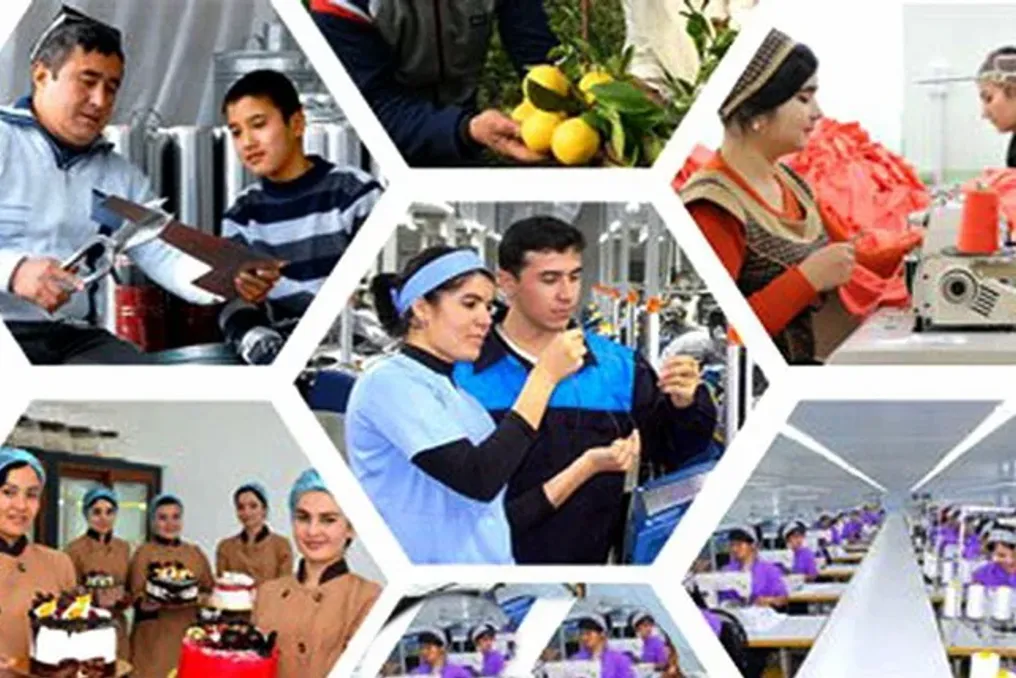
According to the National Statistical Committee, as of July 1, 2026, there are 1,236,126 active small enterprises operating in Uzbekistan.
The largest number of such enterprises was recorded in Tashkent, with 161,194. This is followed by Samarkand region with 118,652 enterprises, Fergana region with 115,860, Andijan region with 113,781, and Tashkent region with 104,694.
Kashkadarya region has 97,923 active small businesses registered, followed by Khorezm region with 95,990 and Namangan region with 82,779.
Bukhara region has 73,736 active small enterprises, and Turkmenistan region has 73,642. The Republic of Karakalpakstan has 61,229 small businesses, while Jizzakh region has 55,111, and Navoi region has 42,536. The lowest number among the listed regions is 38,999 in Syrdarya region.
The Central Bank reported that in July 2026, Uzbekistan processed 34,341 transactions for the purchase of real estate and vehicles through escrow accounts.
Of the total number of transactions, 18,306, which accounts for 53.3%, concerned vehicles, while 16,035 transactions, or 46.7%, were related to real estate. Additionally, 1,096 transactions are currently under review.
The highest level of activity during the month was noted in Tashkent, where 9,674 transactions were registered, accounting for 28.1% of the national volume.
Among the regions, the largest number of transactions was recorded in the Fergana region with 3,401 deals, in the Samarkand region—2,810, and in the Andijan region—2,567.
According to the National Statistical Committee, the permanent population of Uzbekistan reached 38.5195 million as of July 1, 2026. This figure demonstrates a growth of 1.7% compared to the previous year.
The urban population accounted for 19.6089 million people, which is 50.9% of the total residents, while the rural population numbers 18.9106 million people, or 49.1%. Among the residents, women constitute 49.6% (19.1189 million people), and men account for 50.4% (19.4006 million people). The population density increased to 85.8 people per square kilometer, up from 84.3 a year earlier.
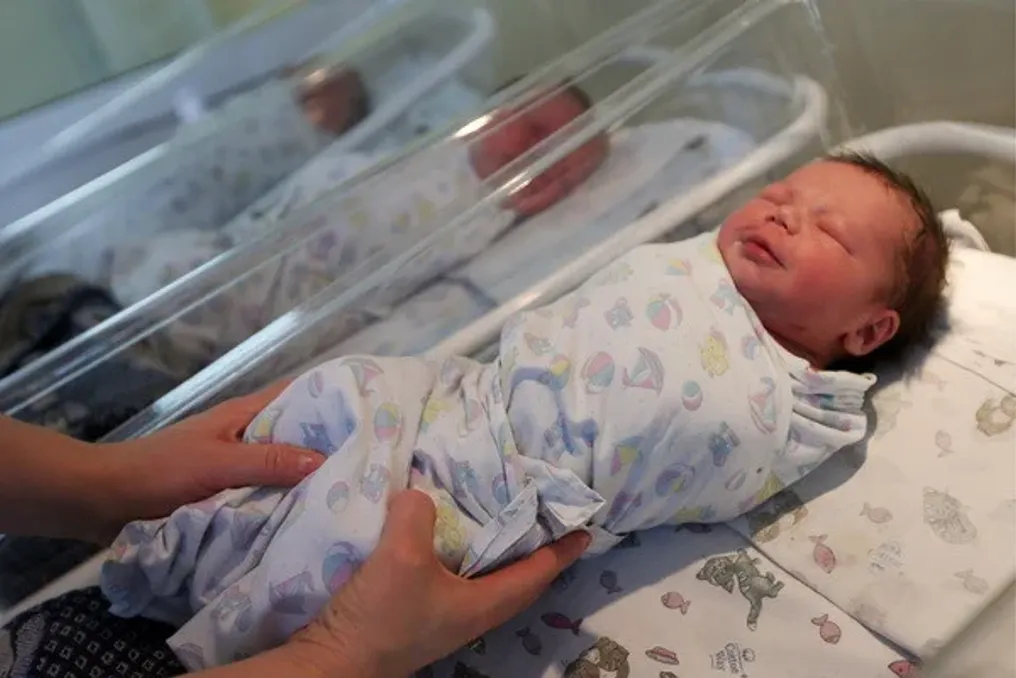
The largest population growth among regions was recorded in Surkhandarya region and the city of Tashkent, where growth was 2.1%. The smallest growth was shown by the Karakalpakstan Republic, with an increase of 1.0%. From January to June 2026, 373,400 children were born in Uzbekistan, which is less than 32,100 compared to the same period in 2025. The birth rate reached 19.6 per 1,000 population. The number of deaths increased by 2,800 to 86,900, with the mortality rate at 4.6 per 1,000 people.
The natural population increase for the first half of the year was 286,500 people. Among newborns, 51.7% were boys and 48.3% were girls; 51% of children were born in rural areas. Men accounted for 55.6% of all deaths, and 54.4% of them died in urban areas. During January-June, 92,300 marriages were registered, which is 3,000 fewer than the previous year, while the number of divorces increased by 1,500 to 24,800. The marriage rate was 4.9 per 1,000 population, and the divorce rate was 1.3 per 1,000. Most marriages, namely 51.1%, were registered in cities, which also accounted for 60.1% of all divorces.
The total number of arrivals in the first half of the year reached 185,600 people, including 183,921 internally displaced persons and 1,649 international arrivals. A total of 189,300 people left their place of residence, of whom 5,422 left the country. The largest influx of internal migrants was recorded in the city of Tashkent with 63,400 arrivals, followed by the Tashkent region with 26,900.
These statistical data were collected using integrated information from the Ministry of Justice and the Ministry of Internal Affairs ahead of the publication of the final results of the national census, scheduled for July 1, 2027.