The Migration Service of Uzbekistan has signed a cooperation agreement with another American company specializing in placing foreign agricultural workers.
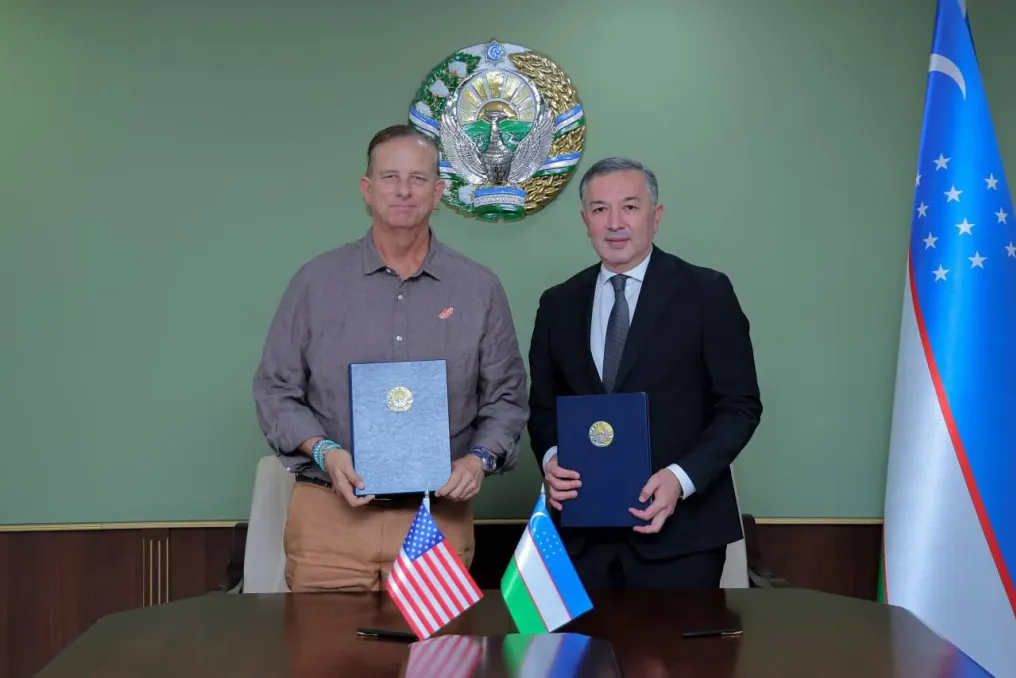
The Migration Service of Uzbekistan has signed a cooperation agreement with another American company specializing in placing foreign agricultural workers.
This agreement provides for the training and employment of Uzbek citizens in seasonal agricultural jobs in the United States of America under the H-2A visa program.
According to the Migration Service statement, the goal of this agreement is to expand interaction in the field of organized labor migration and create additional opportunities for the legal employment of Uzbek citizens.
As part of the project, the parties intend to develop training programs that meet the requirements of US employers, provide candidates with language and professional training in English, implement a system for assessing practical skills and joint certification, and create transparent mechanisms for selecting and dispatching workers.
The Migration Service will be responsible for candidate selection, conducting training on US labor legislation and working conditions, and ensuring the timely return of Uzbek citizens to their home country after completing seasonal work.
The agency reported that information about the first requests from American employers for seasonal agricultural workers, as well as details of the candidate registration procedures, will be published on the Migration Service's Telegram channel 'Xorijda ish'.
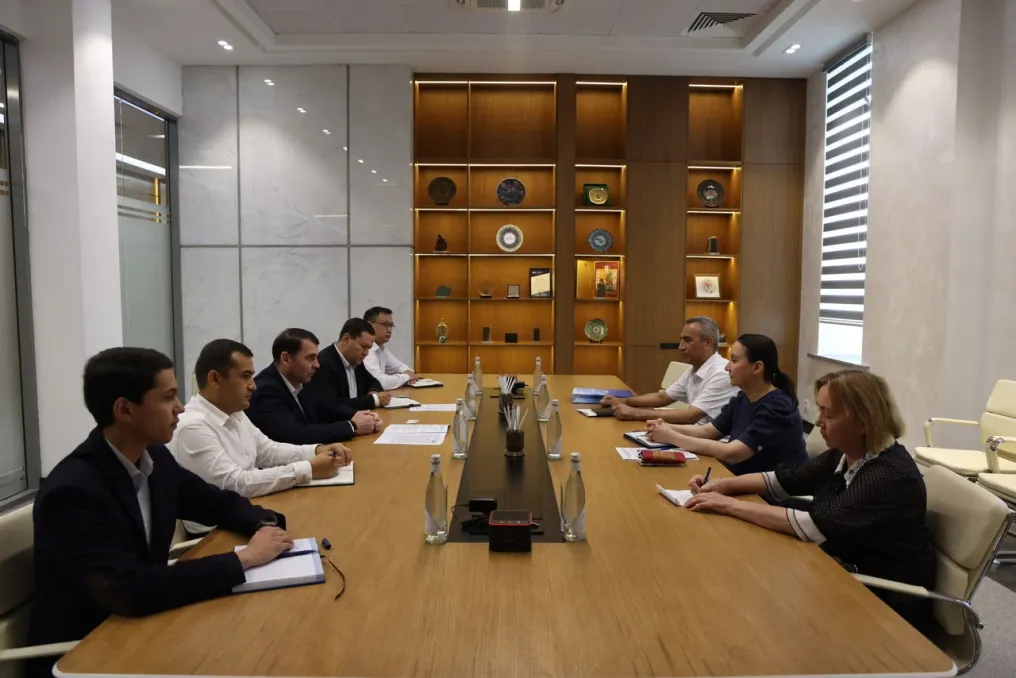
The Deputy Minister of Mining and Geology of Uzbekistan, Rustam Yusupov, met with a delegation from the Interstate Water Coordination Commission to discuss expanding joint work on the study and sustainable use of groundwater resources.
Specialists from the state institutions Uzbekhydrogeology and the Institute of HYDROENGINEERING took part in the meeting. Participants reviewed achievements in ensuring the sustainable use and protection of groundwater in Uzbekistan. Furthermore, they exchanged information on projects being implemented in Central Asia aimed at promoting water resource management, climate change adaptation, as well as international and grant projects concerning transboundary waters.
Following the meeting, the parties agreed to prepare and sign a memorandum of understanding between the Ministry of Mining and Geology of the Republic of Uzbekistan and the Interstate Water Coordination Commission. This memorandum provides for cooperation in researching transboundary aquifers and geothermal resources within the water-energy-land (NEXUS) approach, implementing an automated monitoring system, and jointly organizing events for the professional development of hydrogeologists in the fields of international water diplomacy and water law.
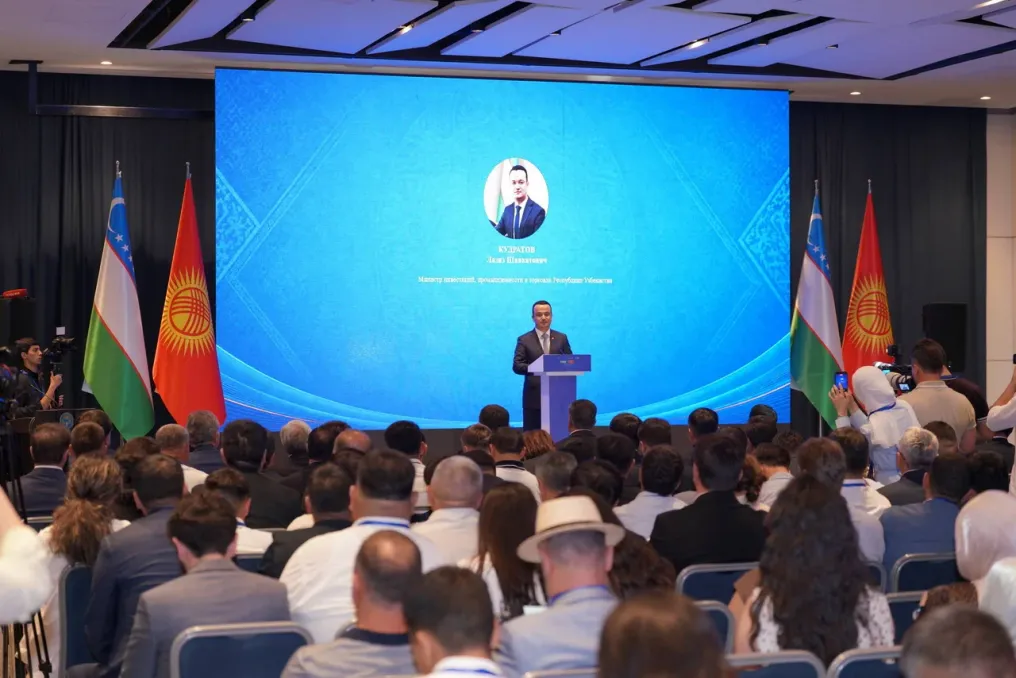
A business forum dedicated to industrial cooperation, investment, and trade between Uzbekistan and Kyrgyzstan was held in Bishkek on July 28. Following the event, both sides signed a cooperation plan for the period 2026–2028, as well as several agreements in key economic sectors.
The forum attracted participants such as Erlist Akunbekov, Deputy Chairman of the Cabinet of Ministers and Minister of Water Resources, Agriculture, and Food Processing of Kyrgyzstan; Ravshanbek Sabirov, Head of the National Investment Agency under the President of Kyrgyzstan; Laziz Kudratov, Minister of Investments, Industry, and Trade of Uzbekistan; and Bakyt Sydykov, Minister of Economy and Trade of Kyrgyzstan. Representatives of state institutions, development institutes, and companies from both countries also took part.
The event gathered 115 representatives of Uzbek businesses and 95 Kyrgyz entrepreneurs. The main topics of discussion included expanding trade ties, implementing investment projects, and creating new supply chains.
Over the last decade, trade turnover between the two states has increased by more than seven times, reaching a volume of 1.2 billion US dollars. From January to June 2026, bilateral trade grew by 1.5 times compared to the previous year, amounting to 625 million US dollars. Forum participants noted that maintaining the current trend will allow the countries to achieve the target of 2 billion dollars in annual trade by 2027.
Special attention was paid to investment cooperation and industrial partnerships. Currently, about 450 joint-capital enterprises operate in Uzbekistan and Kyrgyzstan, implementing joint projects in automotive manufacturing, textile industry, healthcare, agriculture, and other fields.
The key instrument supporting joint projects remains the Uzbekistan-Kyrgyzstan Development Fund, which currently supports 28 initiatives in the fields of transport and logistics, light industry, construction material production, energy, and financial services.
The sides identified agro-industrial cooperation, the textile industry, pharmaceuticals, and electrical engineering as priority areas. In the agricultural sector, plans include developing seed production, growing potatoes and rice, animal husbandry, and intensive horticulture.
In the textile industry, the countries intend to strengthen interaction in wool and leather processing, as well as finished product manufacturing. Regarding pharmaceuticals, discussions focused on combining production capacities to expand the range of medicines and enter external markets. In electrical engineering, the emphasis was placed on component localization, creating joint ventures, and promoting goods to third-country markets.
Within the business agenda, entrepreneurs held targeted negotiations on projects in agriculture, food processing, textiles, construction materials, furniture manufacturing, electrical engineering, pharmaceuticals, energy, mining, logistics, tourism, finance, and trade. Both nations also agreed to support direct interregional contacts and hold the first joint Uzbekistan-Kyrgyzstan regional forum in Uzbekistan before the end of 2026.
The event concluded with the signing of the Action Plan for Developing Cooperation between the Ministry of Investments, Industry, and Trade of Uzbekistan and the National Investment Agency under the President of Kyrgyzstan for the period 2026–2028. Furthermore, the sides exchanged agreements regarding the promotion of electrical engineering products, seed production, agricultural science, energy, healthcare, hydraulic engineering, and the development of industrial zones.
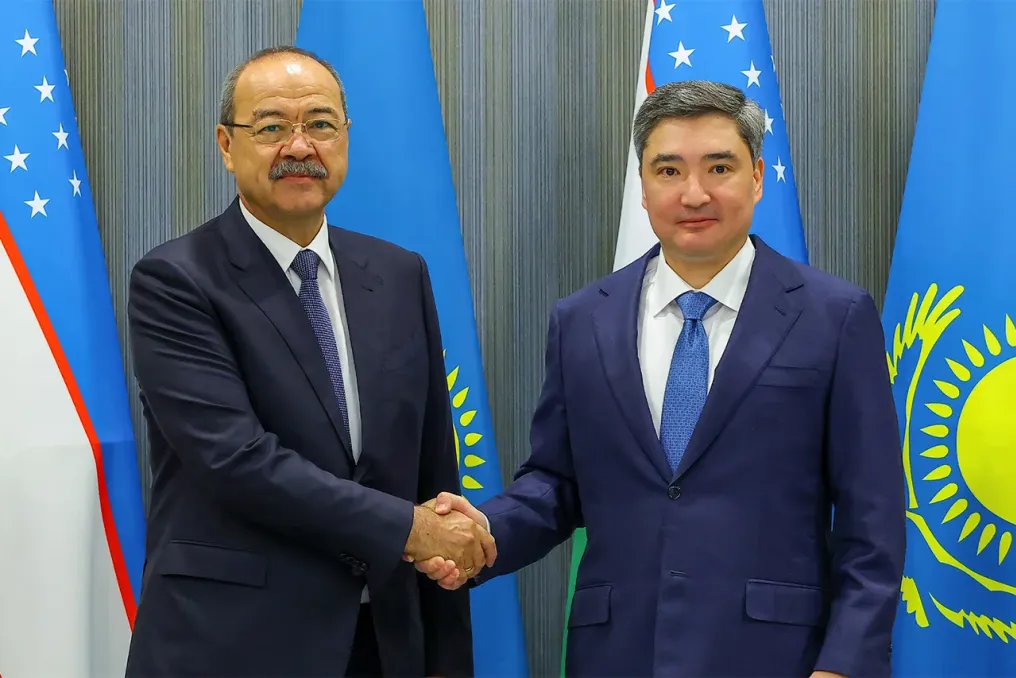
The First Minister of Uzbekistan, Abdullah Aripov, and the First Minister of Kazakhstan, Olzhas Bektenov, held the twenty-third meeting of the Joint Intergovernmental Commission on Bilateral Cooperation in Aktau. At this meeting, they reviewed the progress of previously reached high-level agreements and determined priority areas for further interaction, according to the press service of the Government of Kazakhstan.
According to Bektenov, cooperation between Kazakhstan and Uzbekistan continues to actively develop thanks to the political dialogue between the Presidents of Kazakhstan, Kassym-Jomart Tokayev, and the President of Uzbekistan, Shavkat Mirziyoyev. He noted that this process serves as an example for the entire Central Asian region. The results of the state visit of the President of Kazakhstan to Uzbekistan last November confirmed the high level of trust between the two states.
Aripov emphasized that the meetings of the leaders of the two countries in Bukhara, Astana, and Turkestan set concrete tasks for the governments to deepen cooperation. He expressed readiness to ensure the implementation of these tasks, noting that the negotiations will contribute to the development of trade, investment, industry, transport, interregional connections, as well as cultural and humanitarian relations.
According to data from the Kazakh side, bilateral trade reached a volume of 4.8 billion US dollars in 2025. Furthermore, from January to May 2026, trade turnover increased by 37% compared to the previous year, amounting to 2.3 billion US dollars. Participants focused on implementing the Roadmap for Investment and Trade, which is valued at 7.8 billion US dollars. Projects under this roadmap are designed to diversify trade, expand product supplies, and attract new investments.
Industrial cooperation became another important topic of discussion. Currently, both countries are working on 80 joint projects worth more than 1.8 billion US dollars. Of these, 15 projects worth 227 million US dollars have been completed, creating about 5,000 jobs. Six other projects worth 102 million US dollars are in the implementation stage, and 59 initiatives totaling 1.5 billion US dollars are under consideration.
The First Ministers also analyzed the state of transport routes and logistics corridors. Railway freight transport between the countries increased by 16% in 2025, reaching 32.3 million tons. To increase transport volumes, the parties developed a joint action plan aimed at increasing the capacity of railway corridors from 35 to 60 million tons. Kazakhstan proposed modernizing cross-border railway infrastructure and opening additional border crossing points.
The meeting also highlighted positive trends in the use of Kazakhstan's maritime infrastructure and the development of road transport. Participants reported that the introduction of the E-Permit electronic foreign permit exchange system has allowed the number of permits to increase more than tenfold over the past four years, while reducing border crossing time from nine hours to 30 minutes.
The sides reaffirmed their commitment to continuing cooperation in water resource management, taking into account the interests of both countries. They also stressed the importance of expanding cultural and humanitarian ties, including joint efforts to include historical and cultural sites of Kazakhstan and Uzbekistan in the transnational UNESCO nomination 'Great Silk Road: Fergana-Syr Darya Corridor.'
Following the expanded format of the meeting, the sides agreed to strengthen cooperation in industry, transport, transit, and other sectors of the economy. Aripov and Bektenov signed the protocol of the twenty-third meeting of the Joint Intergovernmental Commission on Bilateral Cooperation.