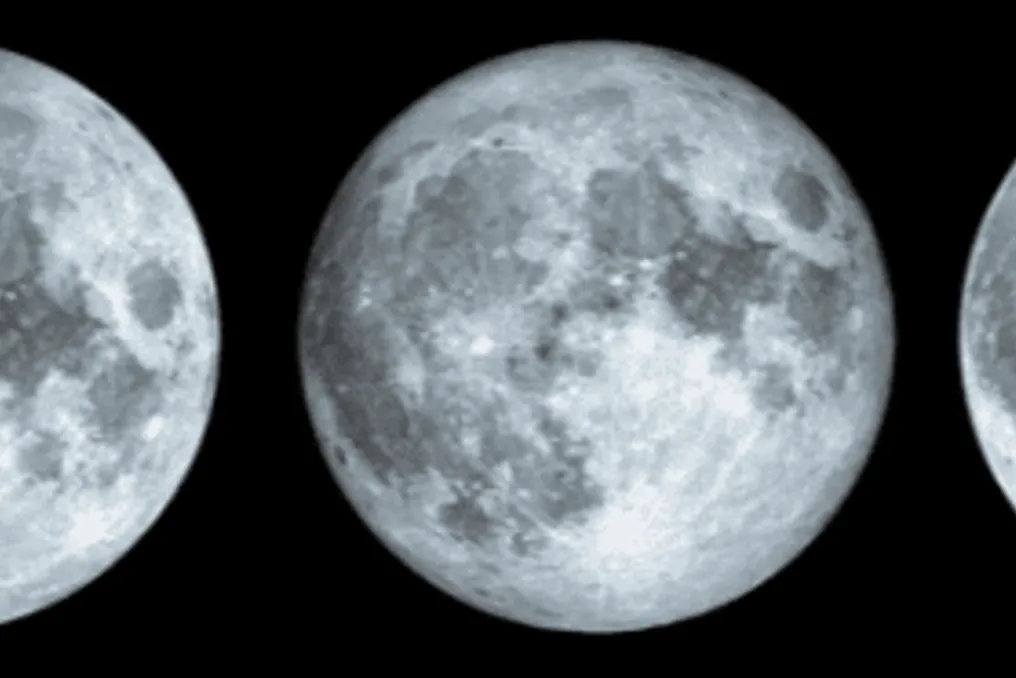
The festival of Raksha Bandhan, which celebrates sacred love and unbreakable trust between brothers and sisters, will take place against the backdrop of a unique astronomical coincidence in 2026. This year, on the full moon day of the month of Sawan, the second lunar eclipse of the year will occur. This rare phenomenon raises questions among people across the country about whether the shadow of the eclipse will affect the observance of this sacred festival.
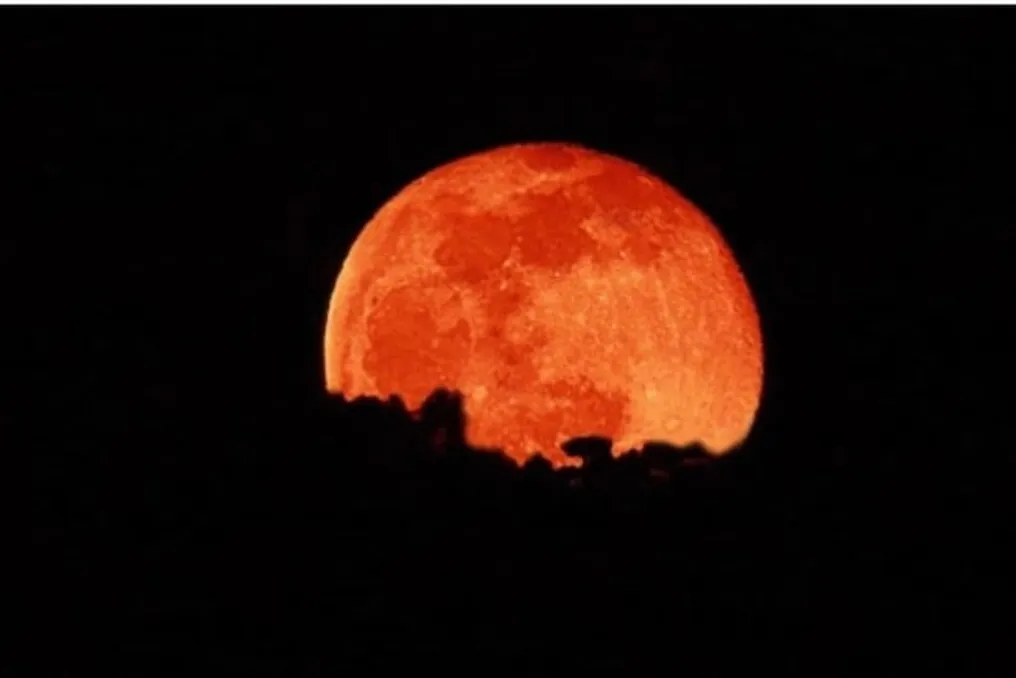
According to panchang data and astronomical calculations, the second lunar eclipse will take place on August 28, 2026. In Indian time, it will begin at 06:53 AM and last for about five hours and 39 minutes, concluding by 12:31 PM. During this event, a surprising sight of a Blood Moon will be observed in several countries, as the Earth's shadow covers a significant part of the Moon.
During a total lunar eclipse, the Moon takes on a reddish or copper hue, which is termed a Blood Moon in astronomical terminology. The primary scientific reason for this phenomenon is that during a total lunar eclipse, the Sun, Earth, and Moon align in a straight line. In this configuration, sunlight does not reach the Moon directly but passes through the Earth's atmosphere.
As it passes through the atmosphere, the blue light of the Sun is scattered, while the red wavelengths are scattered the least and penetrate the Moon's surface. This is why the Moon appears red or dark copper during the eclipse, rather than bright white.
An important question concerns the visibility of this astronomical event in India. According to experts, this lunar eclipse will not be visible on Indian territory. It will be predominantly observed in Europe, Africa, some western parts of Asia, and in the Americas. Since it will be daytime in India at that time, its visibility there will be zero.
According to religious prescriptions, the period of Sutak Kal comes into effect approximately nine hours before the start of the lunar eclipse, during which all auspicious and religious rituals are prohibited. However, since the lunar eclipse on August 28 will not be visible in India, the period of Sutak Kal will also not be considered valid in the country.
Since this eclipse will not be visible in India and the period of Sutak Kal will not be in effect, it will not negatively affect the Raksha Bandhan festival in any way. Sisters can celebrate the entire day joyfully and without any doubts, tying the rakhi to their brother. According to the panchang, the whole day is suitable for celebrating the festival and exchanging rakhis.