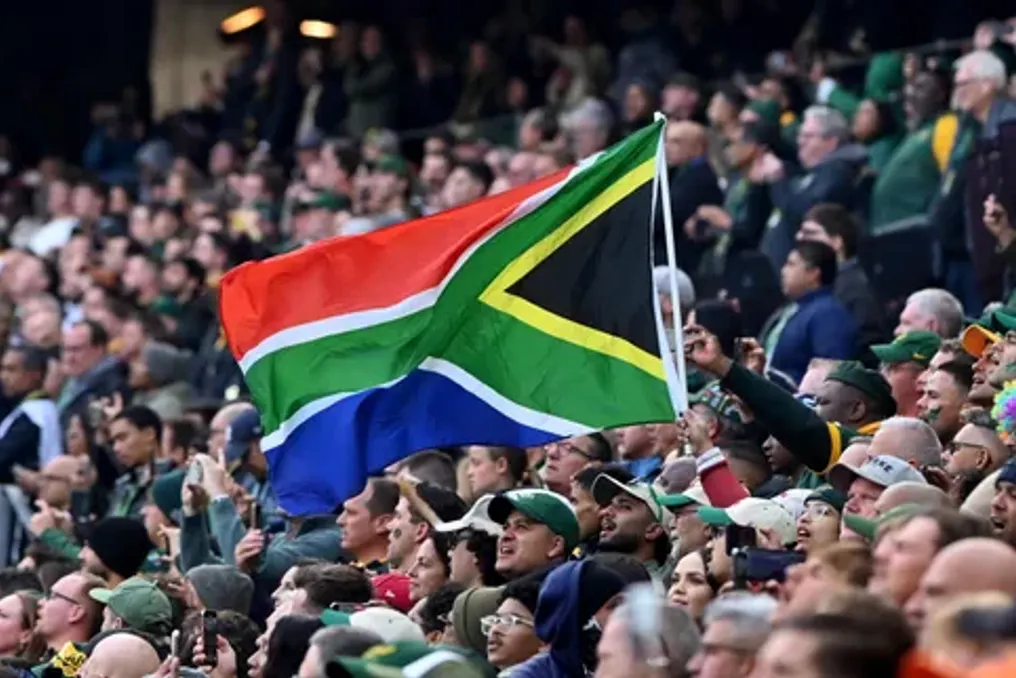
The support of fans watching the Springboks defeat the Wallabies at a stadium in Cape Town is reminiscent of the Roman poet Juvenal's phrase 'bread and circuses'. This phrase highlights how entertainment can divert attention from pressing societal issues. The question arises: can the South Africans' love for the Springboks overshadow the real difficulties facing the country?
Juvenal coined the expression panem et circenses to describe how the ruling elite of Rome maintained public order. Instead of solving structural societal problems, they appeased the population by providing free grain and lavish public spectacles. Gladiator fights, chariot races, and grand festivals captivated the masses, distracting them from corruption, economic inequality, poor governance, and the gradual decline of the Empire.
More than two thousand years later, this phrase remains relevant as it reflects an eternal political phenomenon: when entertainment becomes so dominant that it overshadows the complex discussions a nation must have about its future. This poses an uncomfortable question for South Africa: have our sporting triumphs, especially the outstanding success of the Springboks, become our modern 'circuses'?
It is important to note that this is not a criticism of the Springboks team itself. They embody excellence, discipline, resilience, and teamwork. They have managed to unite South Africans, overcoming racial, cultural, and economic differences, something few other institutions have achieved. Their achievements deserve admiration, and every resident of South Africa has reason to celebrate their success.
The question is not whether the Springboks are beneficial to South Africa, but whether our collective obsession with sporting success allows us—as citizens and political leaders—to overlook the much sharper problems facing the nation.
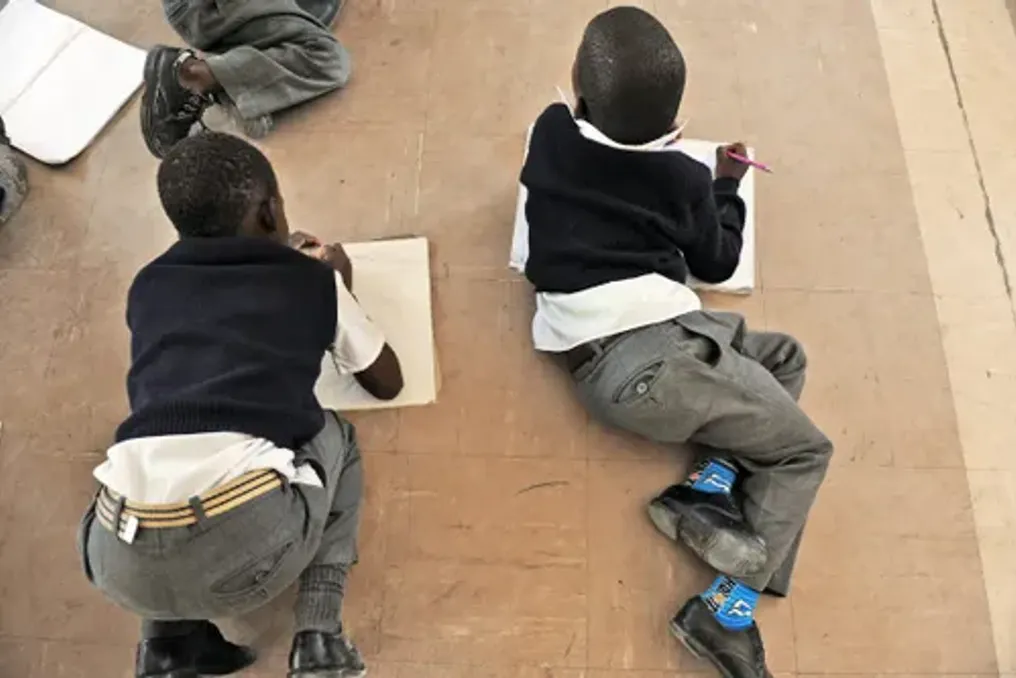
South Africa remains one of the most unequal countries in the world. Millions of people live below the poverty line. Youth unemployment remains one of the highest globally. Violence continues to threaten communities. Public healthcare is under immense pressure. Many schools cannot provide children with even basic educational opportunities. Issues with electricity and water supply, as well as municipal governance, remain constant concerns in many parts of the country.
None of these problems disappear after another South African victory in the Rugby World Cup. For a few weeks, the country celebrates, social media is filled with patriotic messages, politicians adorn themselves with the national flag, and public attention shifts almost entirely to sporting achievements. However, then reality quietly returns: the unemployed remain unemployed, the hungry remain hungry, and communities continue to await reliable water supply, functioning clinics, safe streets, and quality education.
Undoubtedly, sport generates economic activity. It supports employment, attracts tourism, stimulates the hospitality industry, and creates commercial opportunities. Winning international competition benefits professional athletes, coaches, administrators, broadcasters, sponsors, and businesses. Nevertheless, these benefits are distributed unevenly across society. For most South Africans, the reward is emotional rather than economic; they feel pride, hope, and unity—powerful feelings that cannot be ignored.
However, hope does not equal progress, unity does not equal economic transformation, and celebration does not equal effective governance. History shows that societies can be emotionally satisfied while remaining structurally unchanged. Citizens naturally gravitate towards inspiring stories rather than oppressive statistics. Politicians, in turn, may find it easier to celebrate national victories than to explain why unemployment rates remain stubbornly high or why public services are deteriorating.
This is where the Roman analogy becomes instructive. The danger lies not in sport itself, but in sporting achievements beginning to dominate the national dialogue while deeper work on societal recovery receives far less attention. A successful rugby team cannot replace a successful education system, nor can a World Cup compensate for economic growth, and national pride cannot fill persistent inequality. Applause cannot fix flawed institutions.
South Africa deserves both. It is necessary to sincerely be proud of every Springbok victory, as they have earned all accolades through hard work and sacrifice. They inspire millions of young South Africans to dream bigger and work harder. But when the celebration ends and the stadium lights dim, we must ask ourselves a simple question: are we paying the same attention, energy, and responsibility to fixing schools, strengthening the healthcare system, creating jobs, fighting corruption, and restoring public trust as we do to supporting our national rugby team?
If the answer is no, perhaps it is time to revisit the lesson of Ancient Rome. A nation can be united by sport, but it transforms through education, honest leadership, economic opportunities, justice, and accountable governance. The Springboks can inspire the nation, but they cannot and should not solve its problems; that responsibility lies with all of us—citizens, civil society, business, and above all, those entrusted with governing the country.
Rome ultimately understood that spectacles could postpone discontent, but they could not prevent decline. The eternal question for South Africa is whether we use moments of national triumph as a foundation for meaningful progress or merely as a way to avoid confronting the problems that define daily life.