Despite a successful debut in South Africa, which attracted over one hundred thousand spectators, LIV Golf faces an uncertain future due to financial difficulties that threaten to end the controversial tour.
The official stance indicates ongoing searches for new investors and a possible format change, but LIV Golf increasingly resembles a sinking ship. Alarming signs appeared after the Saudi Arabia Public Investment Fund withdrew its support.
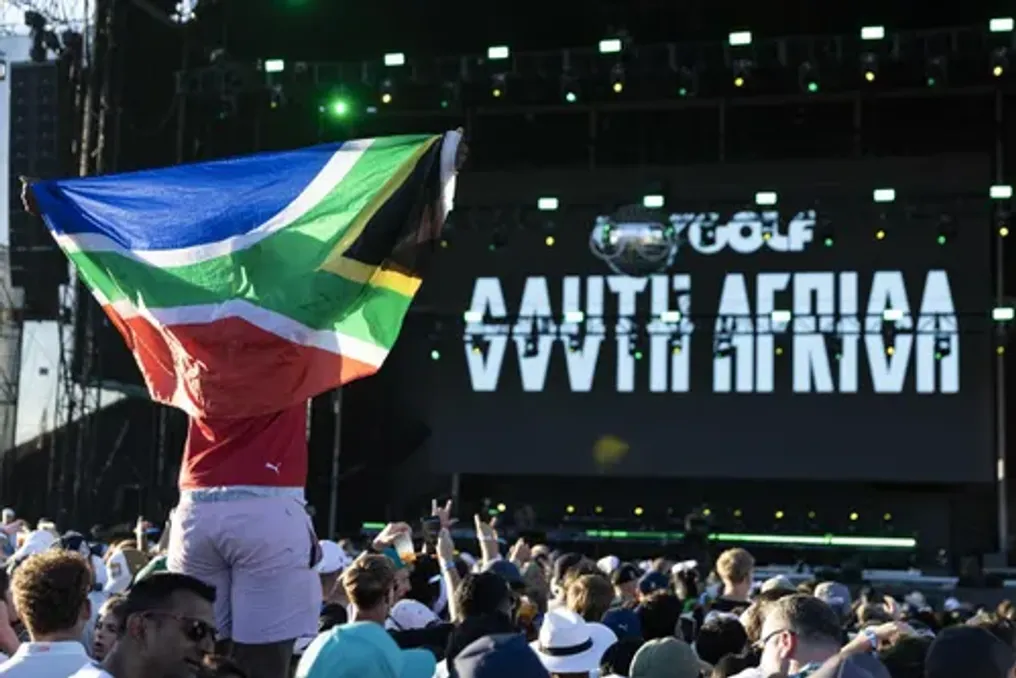
Regardless of opinions on the merits of this breakaway from the main tournament, LIV Golf has undoubtedly brought a new format and a new audience to the game. This interest was clearly demonstrated in March during the tour's first event in South Africa. Despite the high ticket prices, the tournament gathered over 100,000 viewers throughout the qualifying rounds and four days of competition, which in itself testifies to the organizers' success in that territory.
LIV Golf's unique advantage has always been its ability to attract not only traditional golf fans. In addition to the course, attendees could enjoy concerts featuring top-tier stars after the rounds. On the field, the team structure, although currently vulnerable due to the tour's lack of funding, offered a more modern dynamic, different from the classic stroke play.
Although critics often questioned the competitive qualities of the tour, the presence of global superstars guaranteed huge attendance. In South Africa, American player Bryson DeChambeau was a favorite among the public long before winning the dramatic playoff against another major name—Jon Rahm.
Amid growing internal instability, there is a possibility that LIV Golf may not exist after 2026. While traditionalists might welcome its demise, the tour has carved out a unique niche in the modern sports landscape. If it concludes its journey at the end of the season, many golf fans will feel genuine sadness.