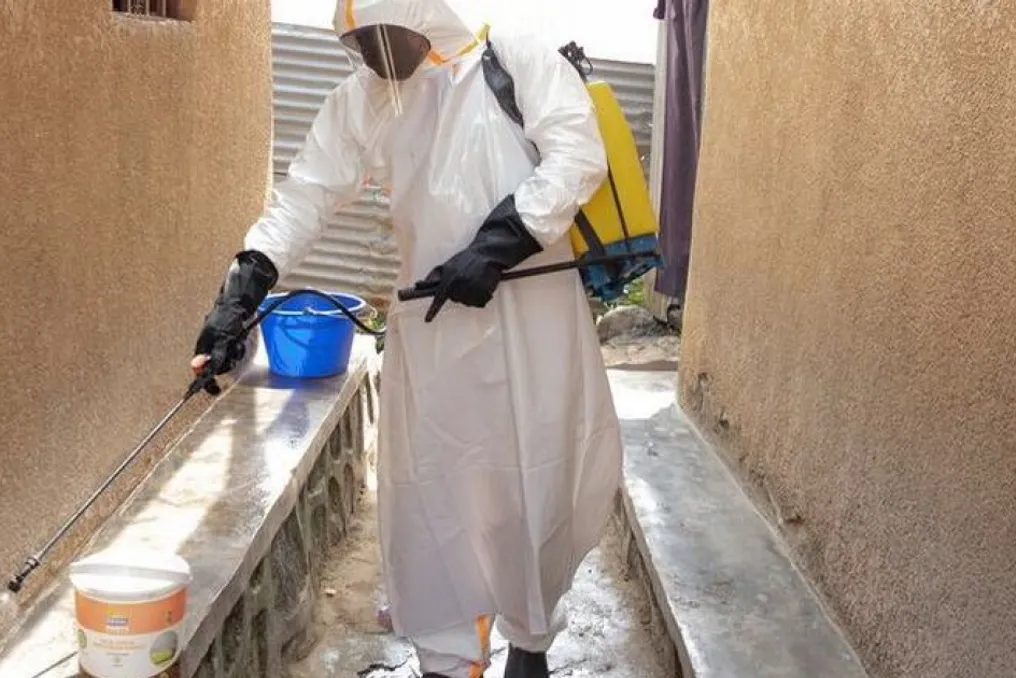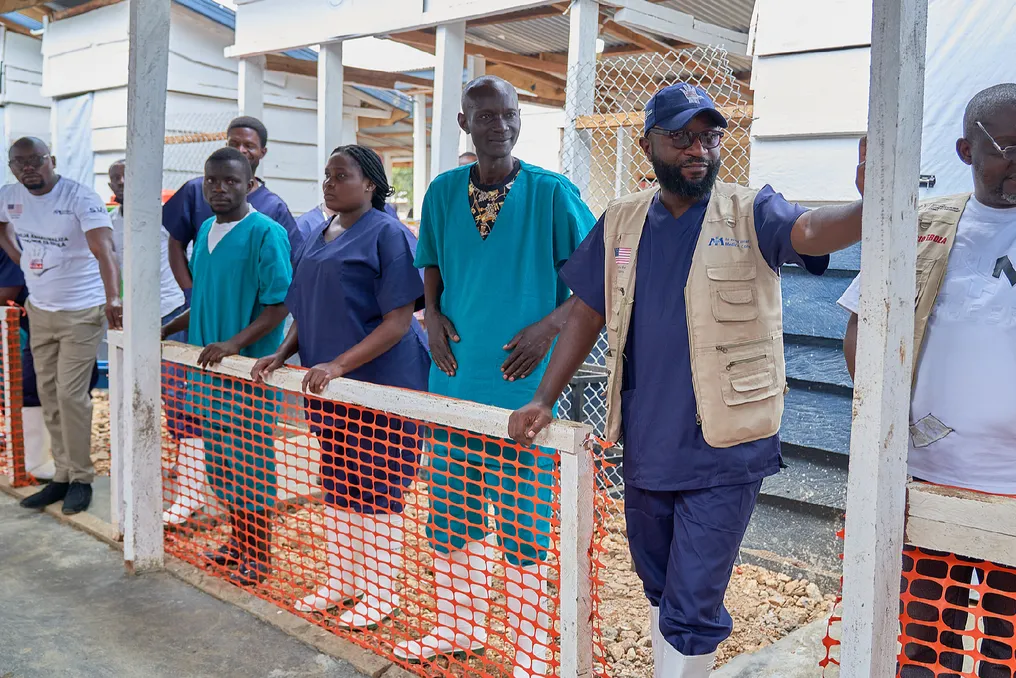
The World Health Organization (WHO) called on Tuesday for comprehensive support to counter the Ebola outbreak raging in the Democratic Republic of Congo (DRC), which continues to outpace response efforts.
WHO representative Tarik Jasarevic stated in Geneva that the outbreak, unfortunately, is exceeding the capacity of the current response. He emphasized the need for additional financial aid and other resources to expand all areas of work, including treatment facilities, field investigation teams, safe burial groups, and public outreach.
According to the WHO, 3,802 confirmed cases of Ebola have been registered in the DRC, resulting in 1,707 deaths. Furthermore, 727 patients have recovered, and 275 suspected cases are under investigation. Currently, 17,000 contacts of infected individuals are being monitored, with over 80% undergoing daily checks.
Although cases have been recorded in five provinces, nearly 90% are concentrated in the northeastern province of Ituri, with the remainder focused in the neighboring North Kivu province. Jasarevic noted that the response must be focused on the areas of current virus spread and potential future risk zones.
Various trials of potential therapies, vaccines, and antiviral drugs are currently underway following exposure. Wasse Moorti, WHO's head of research and development, reported that preliminary results look promising. Moorti added that new data is emerging regarding whether the vaccine Ervebo, which acts against the Zaire ebolavirus, provides cross-protection against the Bundibugyo virus in animals.
The WHO Advisory Group on Vaccines reviewed the relevant data on Friday and plans to publish recommendations later this week. Among the two leading candidate vaccines are one based on the ChAdOx1 platform, developed by Oxford University and the Indian Serological Institute, and another created by the American pharmaceutical company Moderna using mRNA technology.
Depending on the results obtained, developers will determine the optimal dosage level for transitioning to full-scale Phase III clinical trials in humans. In the Ituri province, two potential treatments are being tested among confirmed Ebola patients: the monoclonal antibody MBP134 and the antiviral drug remdesivir, both alone and in combination. Concurrently, a study is being conducted on the antiviral drug obeldesivir for people who have been exposed to confirmed Bundibugyo cases.
Moorti reported that more than 25 high-risk individuals in Ituri have been enrolled to assess whether this oral medication, taken for 10 days, can prevent the development of the disease.