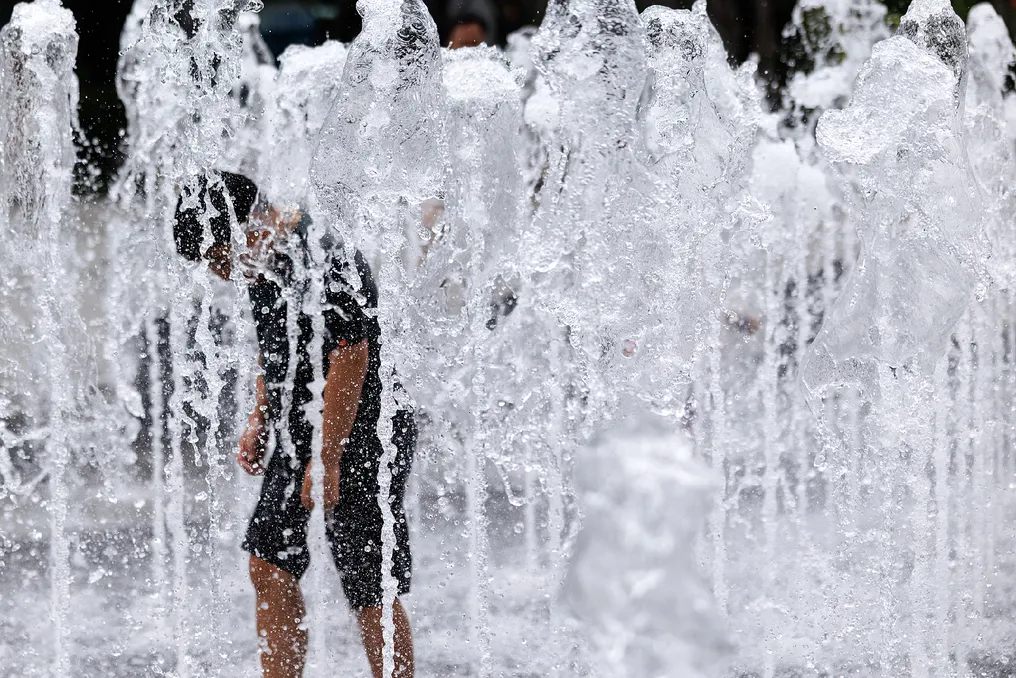
Japan and South Korea are experiencing one of the most severe heatwaves in recent years. Record temperatures are leading to fatalities, damaging agriculture, disrupting daily life, and intensifying concerns about the increasing frequency of extreme weather events.
South Korea has been particularly hard hit. According to the Ministry of the Interior and Safety, at least 19 people have died from heat-related causes this summer, and over 2,000 people have fallen ill due to the heat since mid-May.
The Korea Meteorological Administration reported that temperatures in some areas have repeatedly exceeded 40 degrees Celsius. In Yangsan, located in the southeast of the country, a temperature of 42.5 degrees Celsius was recorded, setting a new national record since modern observations began over a century ago.
At a Cabinet meeting on Tuesday, South Korean President Lee Jae-myung stated that the ongoing heatwave should be considered a 'national emergency.' He urged the government to mobilize all available resources to protect the population and instructed relevant authorities to strengthen emergency response measures, support vulnerable groups, and ensure electricity supply amid rising demand.
Across the country, local authorities have expanded cooling centers, increased checks on the well-being of elderly residents living alone, and advised outdoor workers to avoid prolonged exposure during the hottest hours of the day. Medical services have repeatedly urged the public to maintain hydration, use air conditioning when possible, and seek immediate help if symptoms of heatstroke appear.
The prolonged heat has also caused serious damage to the agricultural sector. Tens of thousands of livestock, including poultry and pigs, have died from heat stress, and aquaculture farms have reported significant fish mortality due to rising water temperatures. Farmers are also concerned about crop damage caused by persistent high temperatures and drought.
Neighboring Japan is facing similarly challenging conditions. The country's meteorological agency regularly issues heatstroke warnings as temperatures in many regions are significantly above seasonal averages. According to the Fire and Disaster Management Agency, over 18,000 people were admitted to hospitals with suspected heatstroke in one week at the end of July, highlighting the growing strain on emergency medical services.
Extreme weather has also affected wildlife. As reported by CNN, three female African lions at the Tama Zoo in Tokyo died within a week after showing symptoms similar to heat illness. Zoo staff noted that several other lions became lethargic and lost their appetite during the period of intense heat, forcing veterinarians to provide round-the-clock care and temporarily close the lion exhibit.
Experts pointed out that although lions inhabit hot regions, they are generally adapted to arid climates rather than the hot and humid summer conditions of Japan, which may have exacerbated heat stress.
Meteorological services in both countries attribute the prolonged heat to stable high-pressure systems dominating East Asia. Climatologists, in turn, warn that human-induced climate change increases the probability, intensity, and duration of extreme heat events worldwide, making heatwaves more frequent and dangerous.
As forecasts indicate that exceptionally high temperatures are likely to persist in the coming days, authorities in Japan and South Korea continue to urge residents to limit time spent outdoors during peak daytime hours, consume sufficient water, and pay special attention to children, the elderly, and people with chronic illnesses.