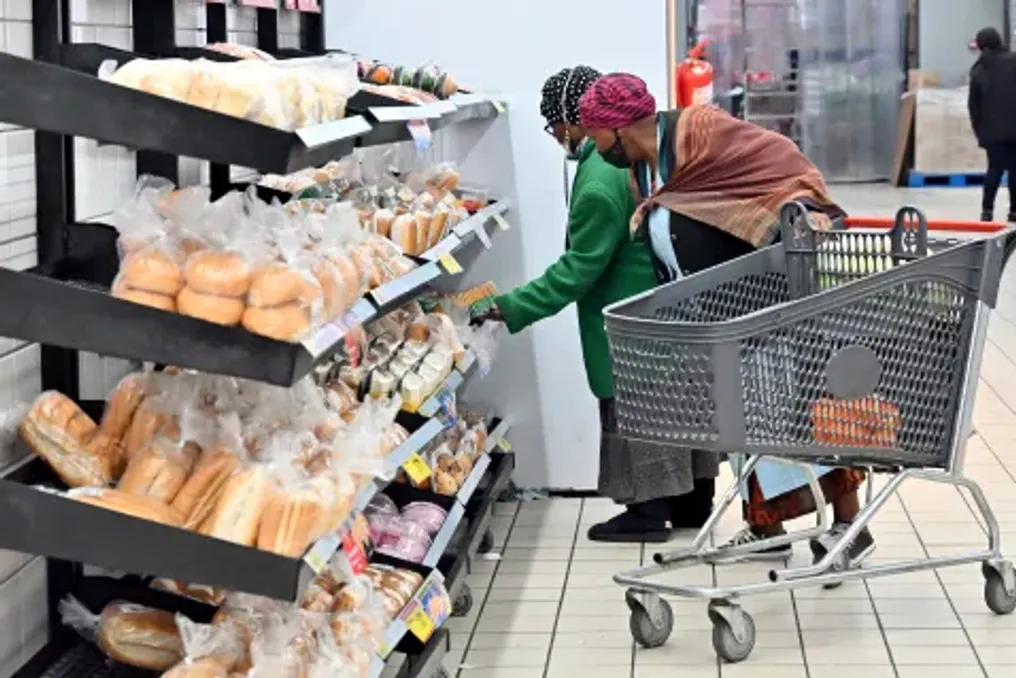
Despite the reduction in petrol price by 52 cents per liter, which came into effect on Wednesday, human rights groups warn that rising diesel and kerosene prices could intensify pressure on food costs and household purchasing power.
Industrial associations, trade unions, and civil organizations note that high transport costs and food prices continue to place significant strain on the budgets of low-income individuals.
These latest adjustments came several weeks after Statistics South Africa reported an acceleration of annual consumer inflation to 5% in June, the highest figure in two years. Although food and non-alcoholic beverage inflation slowed to 1.6%, annual transport inflation reached 12.7%, largely driven by a 34.3% increase in fuel prices.
Statistics South Africa also recorded an 11.5% monthly increase in minibus taxi fares, an 8.7% rise in app-based ride-hailing services, and an 8.4% increase in intercity bus fares.
The South African Petroleum Retailers Association (SAPRA) welcomed the decrease in petrol prices but warned that the overall fuel situation remains challenging because higher diesel costs continue to burden both businesses and consumers.
The Motor Industry Staff Association (MISA) shared similar concerns, stating that the latest change will bring uneven relief. Martle Cater, MISA's Chief Executive Officer for Operations, noted: 'We are glad for any relief at the petrol pump, but we cannot rejoice in a skewed adjustment that increases the cost of paraffin for the poorest families and diesel for the entire food supply chain.'
He added that workers cannot bear the double burden of high transport and food costs. 'When the price of petrol falls, but the price of diesel rises, retailers and taxi drivers should not use this as an excuse to maintain high prices. The benefit must reach the household budget, not disappear along the way.'
MISA emphasized that the increase in paraffin prices will disproportionately affect millions of low-income households that still use this fuel for cooking, heating, and lighting, while the rise in diesel prices is likely to exert additional upward pressure on the cost of transporting food and other essential goods.
However, for organizations working directly with vulnerable communities, the latest fuel price change reflects a much broader issue of affordability. Dr. Annette May, Project Coordinator at the Development Action Group (DAG), stated that rising transport costs are putting increasing pressure on households already struggling to afford rent and other vital expenses.
According to her, Statistics South Africa estimates that over two-thirds of the country's poorest households spend more than 20% of their monthly income on public transport, with other studies indicating figures up to 40% of family income.
In May's view, many families are forced to make impossible financial decisions. 'At certain points in the month, households may be forced to choose between paying for transport to work or sending children to school, which directly affects both educational opportunities and household income.'
She also noted that after exhausting free basic quotas for water and electricity, many families are forced to decide which vital service to pay for. 'When electricity becomes unaffordable, many households switch to cheaper alternative fuels, which can be less safe for residents and the environment. At the same time, shrinking household budgets often lead to less nutritious diets, contributing to long-term health deterioration.'
May also warned that financial strain increases housing insecurity. 'Inflation and rising transport costs put additional pressure on already strained household budgets. As a result, many households are at greater risk of falling behind on rent payments and struggling to pay for basic services.'
She warned that this could lead to disputes with landlords, water or electricity cut-offs, and, in severe cases, eviction.
The Pietermaritzburg Economic Justice & Dignity Group (PMBEJD), which publishes the Household Affordability Index, stated that the latest fuel price changes highlight the gap between statistical inflation data and the daily reality faced by low-income families.
The organization pointed out that affordability is determined not only by food inflation but also by the combined cost of transport, electricity, housing, and other necessary expenses.
PMBEJD noted that although overall food inflation has slowed in recent months, households continue to face serious financial pressure as wages and social grants do not keep pace with the actual cost of a basic diet and other monthly needs.
According to PMBEJD, many families are increasingly buying less food, opting for cheaper and less nutritious alternatives, postponing the purchase of essential household goods, and reducing electricity consumption just to make it to the end of the month.
The organization stated that significant relief will require broader measures to improve household affordability, including strengthening public transport, protecting consumers from the cost of living increases, and ensuring that wages and social protection better reflect the real cost of living.
The union GIWUSA stated that the latest inflation data hides the problems faced by working households. The union argued that while food inflation has slowed, transport costs continue to reduce workers' incomes, leaving many households with less money for food, rent, and other necessities.
GIWUSA called for more active government intervention to reduce the cost of transport, food, and other essential services, arguing that current market conditions continue to place a disproportionate burden on low-income households.