
The South African Pharmaceutical Manufacturers Association (Pharmisa) strongly urged the government to take urgent measures to combat illegal drug trade, warning that healthcare workers are now involved in the illicit market.
Pharmisa President Stavros Nicolaou presented this warning to the Parliamentary Portfolio Committee on Trade, Industry and Competition, which is reviewing stakeholder proposals regarding the South African Industrial Development Strategy this week.
During his address, Nicolaou also noted that the manufacturing capacity of the South African pharmaceutical industry is weakening. Contract Manufacturing Organizations (CMOs) that produce penicillin preparations and oral contraceptives have either closed or temporarily suspended operations.
He predicts that after eighteen months of constant instability, the sector could lose up to 3,200 jobs, accounting for about a quarter of the entire production workforce.
Nicolaou stated: 'We are witnessing an increase in the illegal trade of pharmaceuticals in our country, and this requires the joint effort of all relevant departments. Illegal trade conducted even by healthcare workers is appalling.'
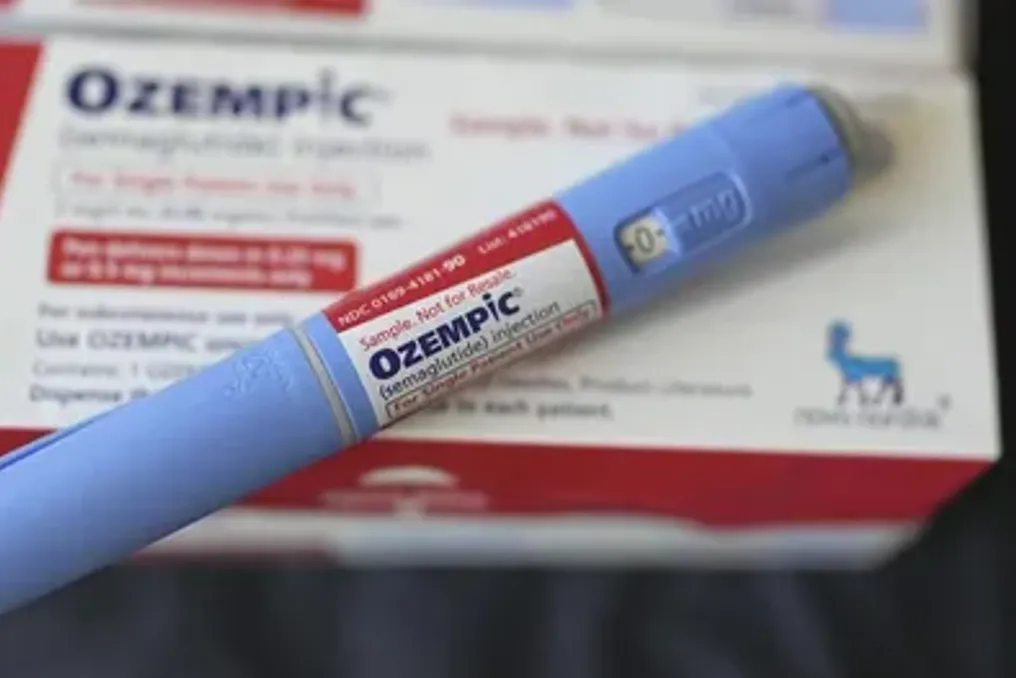
Following the committee meeting, Nicolaou emphasized that the distribution of semaglutide—the active component of the diabetic drug Ozempic—is an example of law violation by medical professionals.
He explained that the system is being abused: pharmacies that mix medicines obtain active ingredients such as semaglutide and mix them into injectable forms. However, the law does not permit the large-scale production or mass supply of such products.
These statements came after the Gauteng High Court issued an interim interdict in favour of Novo Nordisk against iDexis, prohibiting the company from preparing and supplying semaglutide injections until the legal proceedings are concluded.
Novo Nordisk, a Danish pharmaceutical company, developed a prescription drug for diabetes that was later widely used for weight loss.
Nicolaou highlighted three main problems: firstly, there are counterfeit Ozempics; secondly, a product called retatrutide, which showed promising results in Phase 3 trials but is not yet approved, is being imported; and thirdly, there is illegal manufacturing of pharmaceutical products.
Nicolaou believes that combating illegal trade will require coordinated action from the South African Health Products Regulatory Authority, the South African Pharmacy Council, the South African Revenue Service, the Border Control Agency, the South African Police Service, and Hawks.
He warned that state procurement policy poses the greatest threat to local pharmaceutical production and the long-term security of medicine supplies in South Africa. He noted that the state purchases over 70% of the country's pharmaceutical volume through 10 tenders managed by the Department of Health.
According to Nicolaou, when the first tender for antiretroviral drugs (ARVs) was announced in 2008, 72% of its value was awarded to domestic manufacturers, but this figure has dropped to 28%.
Furthermore, the three-year tender cycle hinders long-term investment in local production. Nicolaou added that during the Covid pandemic, the country was at the back of the queue for all medical countermeasures, whether pharmaceutical or vaccine-related, and he believes the country is in a similar or even worse position regarding medicine supply security today.
He mentioned the high trade deficit in the sector and the trend towards reduced investment due to a lack of certainty and predictability. In his words, it is impossible to attract investment when 70% of the volume operates on three-year cycles.
Nicolaou reported that vaccine manufacturers are interested in technology transfer, but they approach the Department of Health requesting a selection agreement for a period of at least seven years to recoup investments, only to be told that the Public Finance Management Act (PFMA) does not allow this.
Nicolaou stated that several contract manufacturing organizations have either closed or suspended operations, including Wraps, Columbia, Sunpharm OSD, Technikon, SABS, Pharma Q (Injectables), Kiara, Barrs, and Morianna.
Emphasizing his forty years of experience in the industry, he said he has never seen such a scale of shortage because these products have become economically unsustainable.
He gave examples: before March of this year, there was only one facility producing oral contraceptives, which has now closed. Similarly, there are zero penicillin production capacities left in South Africa. Therefore, when the Minister of Health speaks of a shortage of Penicillin G, it means a loss of supply guarantees. He also warned that if China or India imposes export restrictions, as happened during Covid-19, new problems will arise concerning active pharmaceutical ingredients of paracetamol, whose main supplier is India.