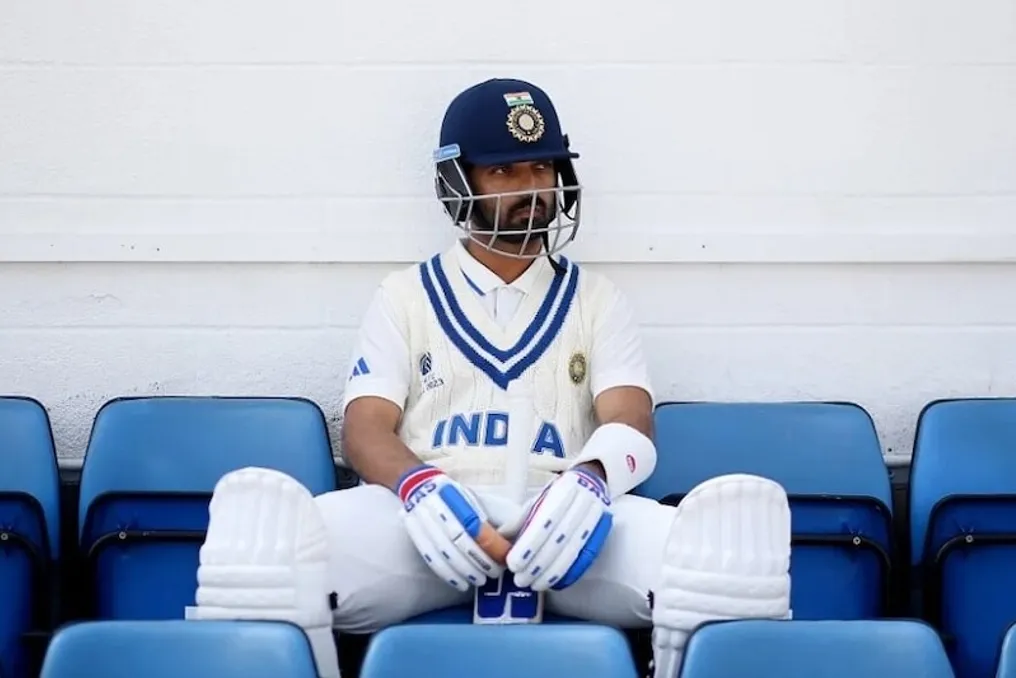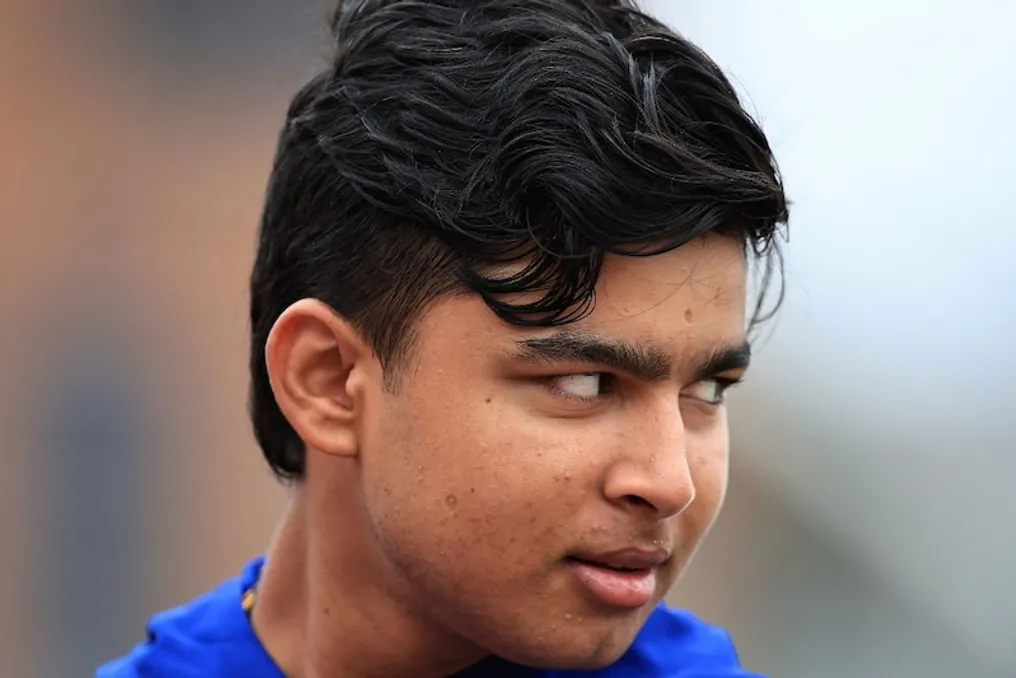
Since his appearance on the field in Tajpur village, Samstitpura, when Vaibha Suryavanshi was a teenager of 13-14 years old, his play and aggressive style attracted the attention of all observers. He debuted in the Ranji tournament at the age of 12, later became one of the fastest batsmen in the Indian Premier League (IPL) for Rajasthan Royals, demonstrated brilliant performances in the U-19 World Cup, and now, at 15, debuted for the Indian national team.
For those who analyze cricket from a statistical perspective, his career resembles a golden egg, as Vaibha constantly sets new records. However, a recent decision made by the selection committee for the Eastern Zone team in the Duleep Trophy tournament sparked active discussions. In the team led by Ishan Kishan, 15-year-old Vaibha Suryavanshi was appointed vice-captain.
One member of the Eastern Zone selection committee, Praranjan Malik, believes that giving Vaibha responsibility will help him become more mature, which in the future will allow him to contend for the post of captain of India. Committee members believe that since captain Ishan Kishan is a wicket-keeping batsman and will make the main decisions, the entire burden of leadership will not fall on Vaibha. Nevertheless, there is a natural question about the haste hidden behind this argument.
In the media space and public opinion, there is celebration over the fact that a 15-year-old child has become vice-captain. But beneath this noise sounds a quiet cautionary voice of folk wisdom, which says: 'Slowly, my friend...'
Rapid advancement suits neither Vaibha nor cricket itself. Although no one doubts Vaibha's talent, especially fans, his ability to time the ball on the field is compared to a natural miracle. However, captaincy or the role of vice-captain is not just a position or an award; it is a skill of strategic maturity, understanding opponents' moves, assessing series, and maintaining patience under pressure. It is an art that comes after hundreds of matches of wins and losses.
At Vaibha's age, he should be focused solely on improving his game and surviving in red-ball cricket, but he has been subjected to mental stress related to understanding team decisions. Statistics show that Vaibha demonstrates outstanding results in the IPL and T20 formats, maintaining a pace above 200. However, his average in classic first-class cricket remains around 17-18. This proves that his game in four-day matches still requires much time and work.
When a batsman is going through the stage of mastering the subtleties of his own game, he should not be thinking about where to place fielders or which bowler to take a series from. This disrupts his natural development. Selection specialists argue that they are preparing Vaibha for the future, but he is only 15 years old. Do they really want to make him the captain of India at 18? Now he should be allowed to play freely, by his own will. If concepts of leadership, captaincy, branding, etc., are instilled in his mind from an early age, how will he be able to absorb match tactics and cope with pressure?
History has shown that in the pursuit of creating the 'next Sachin' prematurely, we have seen many talents burn out. Even Sachin Tendulkar debuted at 16, but he was not initially put under pressure regarding captaincy. He was given the freedom to play and learn under the supervision of senior players.
In the era of the modern market and social media, '15-year-old vice-captain' is a very marketable headline that appeals to brands and attracts news ratings. But when you are placed at the top at 15, the fear of failure becomes very deep. If Vaibha's performance subsides after a couple of matches, the same media and social networks that praise him as vice-captain today will immediately begin to question his maturity.
There is an old saying in cricket: for class to bloom, not bright lights, but time and solitude are needed. Vaibha should have been given the opportunity to mature simply as a player. The Eastern Zone selection committee should realize that a banyan tree requires years, not instant growth, after which it will break from the first strong wind.
Therefore, amidst this noise of celebration and praise, there is only one piece of advice for Vaibha's best future, which Kabirdas himself wrote: 'Slowly, my friend, everything will happen, the watering gardener waters a hundred pots, and the fruit ripens when the season comes.'