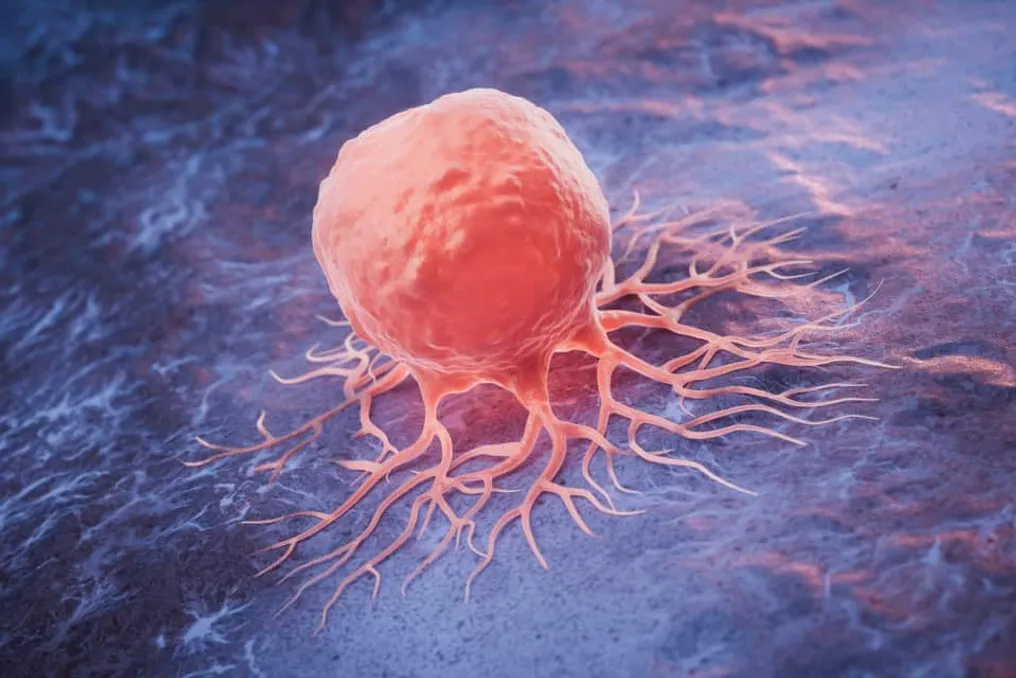
An international group of researchers has created nearly 700 new models of human cancerous tissues using tumors provided by patients. This collection is one of the largest of its kind available to the scientific community.
The study authors claim that this material can accelerate the search for new drugs and more targeted therapies against various forms of the disease. These models represent 25 types of cancer and are already available to scientists worldwide. The results of the work were published in the journal Nature on Wednesday.
Researchers from the Koch Institute, MIT, Broad Institute, Dana-Farber Cancer Institute, the National Cancer Institute (NCI), and more than two dozen partner institutions participated in the project.
To form the new collection, researchers obtained over 2,700 tumor samples from patients treated in hospitals in the USA, the UK, and the Netherlands; all these samples were authorized for research use.
The team managed to convert about a third of these samples into models that can exist indefinitely in the laboratory. Most of them were transformed into organoids—three-dimensional structures cultured in the lab that more accurately reproduce the genetic and molecular characteristics of the original tumors.
Unlike traditional cell lines, which have been grown in a single layer of cells since the 1950s, organoids grow in three dimensions and better preserve tissue architecture.
The models cover both common types of cancer, such as lung, liver, and pancreatic cancer, and about 150 rare tumors, including gallbladder and small intestine cancer.
All models were deposited in the American Type Culture Collection (ATCC), a non-profit organization responsible for distributing cell lines for research. In addition to the cells themselves, the bank contains detailed information about the patients who provided each model, including hereditary mutations and received treatment.
According to the researchers, this dataset will allow for large-scale drug testing and the identification of new therapeutic targets for different types of cancer.
Additional Information
In a second article published simultaneously in Nature, researchers from the Broad Institute analyzed over 300 new models using whole-genome sequencing, RNA analysis, and testing with the CRISPR gene editing tool. This study identified specific vulnerabilities in various tumors that could become targets for future medications. The data obtained was integrated into the Cancer Dependency Map (DepMap)—a platform that now combines information on over two thousand cancer models.
Another study, published in the same issue of the journal and conducted by the Wellcome Sanger Institute, characterized another 256 organoids developed as part of the project.
Although the initial program is coming to an end, researchers plan to continue expanding the collection with new models derived from patient tumors, especially those from childhood cancer and rare types of disease.
Boehm stated: "Today we have about two thousand models, but we still need much more to reflect the full diversity of cancer patients in preclinical studies. We hope this will be the beginning, not the end, of this work."
Mushriq Al-Jazrawe, Scientific Director of the Koch Institute's High Throughput Sciences platform, noted that the next step will be to develop methods to study these models in an increasingly standardized and large-scale manner, expanding their application in the development of new treatments.