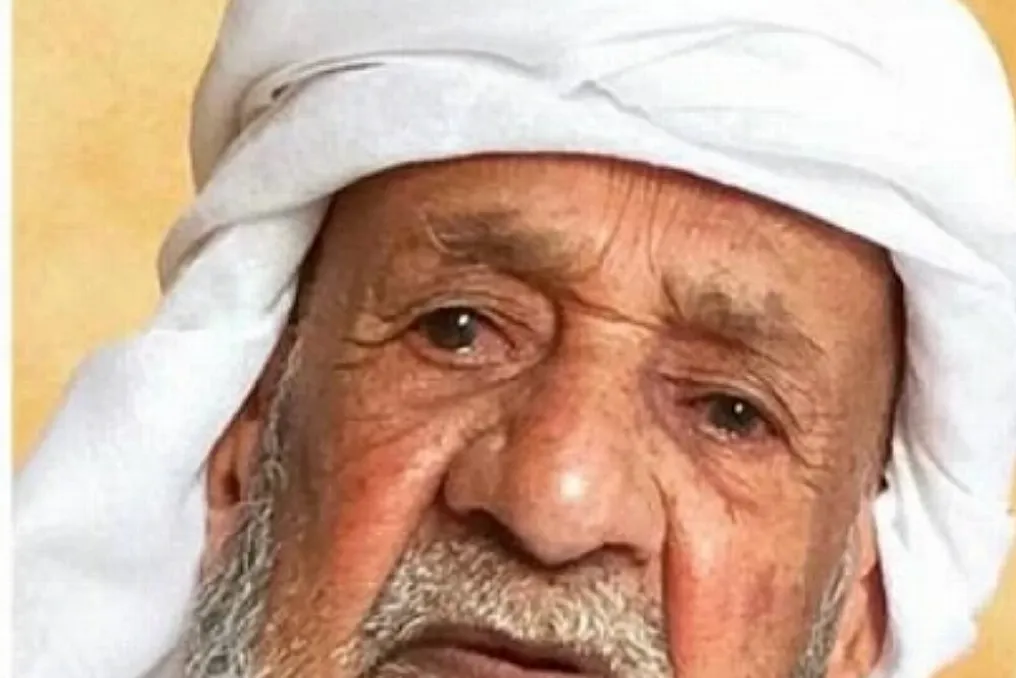
As reported by Al Khaleej newspaper on Wednesday, August 5, Abdullah Dukha Askar Al Kaabi, a 107-year-old UAE citizen who witnessed key moments in the history of the United Arab Emirates, passed away after a prolonged battle with cancer.
As reported by Al Khaleej newspaper on Wednesday, August 5, Abdullah Dukha Askar Al Kaabi, a 107-year-old UAE citizen who witnessed key moments in the history of the United Arab Emirates, passed away after a prolonged battle with cancer.
This centenarian was born in the Al Flee area of Sharjah in 1919. The serious illness was diagnosed almost six years ago, and he spent his final days in the intensive care unit of Shahbut Hospital on life support.
Everyone who knew Al Kaabi remembers him with great respect and warmth, noting his kindness, generosity, and modesty. Throughout his long life, he observed deep social and historical changes in the country, including the founding of the UAE in 1971 and its stages of significant development, progress, and modernization.
In its report, the newspaper quotes Al Kaabi's son, Mohammed, who said that his father never received formal education but was wise, insightful, resourceful, and highly respected.
Mohammed, who works in the family, added that his father was known for helping resolve disputes, uniting people, reconciling married couples, and even participating in marriage arrangements. He also explained that his father worked in the desert and had his own business.
The son noted his father's exceptional memory, which allowed him to vividly recall events from 70 or even 80 years ago, citing Al Kaabi's ability to remember the names of all ten of his grandchildren. The centenarian had two sons—Mohammed and Salem—although he married nine times.
According to his son, Al Kaabi maintained good health until he was diagnosed with cancer. Mohammed reported that his father adhered to a healthy diet, often walked, and never drove a car.
Highlighting his father's religious devotion, Mohammed shared that Al Kaabi never neglected his prayers. Even while on life support, he asked his son to pray on his behalf. He constantly thanked and praised God in all circumstances and regularly sought His forgiveness.
When Al Kaabi learned of his serious illness, he said that everyone who lived near him had already passed away, and he thanked God for such a long life and the opportunity to see his grandchildren.
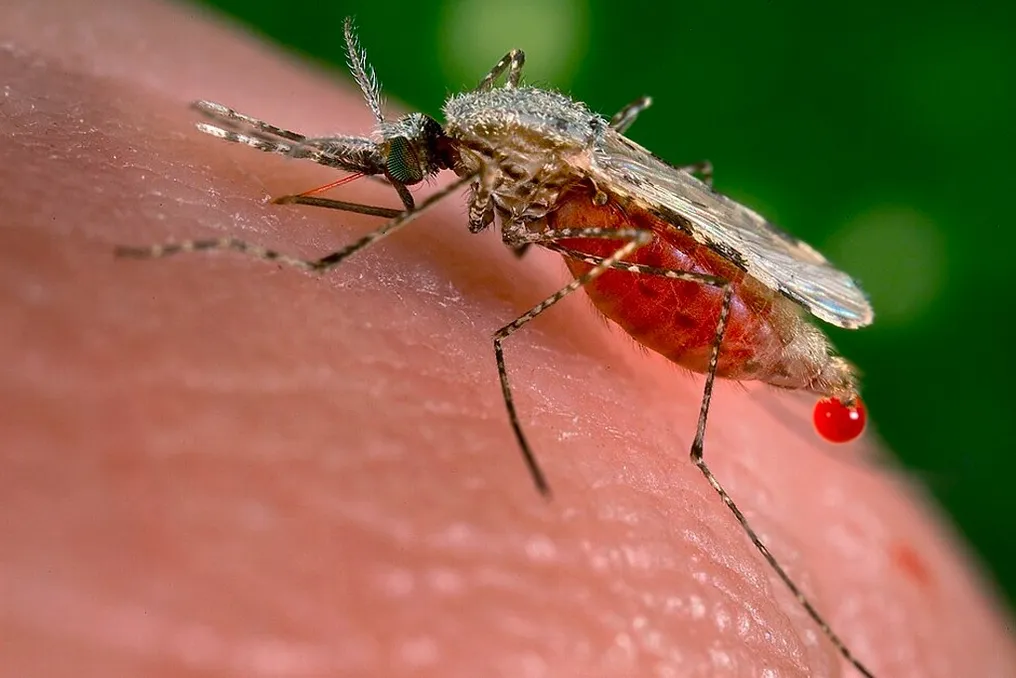
The malaria mosquito, specifically Anopheles stephensi, has shown the ability to resist insecticides, a phenomenon that persists even after decades of using chemical substances like dieldrin.
In the 1950s, dieldrin was applied to the interior walls of residences to control malaria. However, it quickly became evident that this strategy failed because Anopheles stephensi developed a genetic alteration that conferred immunity to the poison. This is a classic example of natural selection, where mutant mosquitoes had a higher probability of surviving, reproducing, and transmitting their resistant genes, making the toxicity of the poison a scientific concern.
Despite the persistence of resistance, even making the mosquitoes slower, scientists were intrigued by the maintenance of these mutations. A new study proposes that the mating process may be the factor responsible for this. The hypothesis is based on the fact that males locate their mates through the faint sound generated by the females' wing beats, and the mutation appears to increase the sensitivity of Anopheles mosquitoes to this sound, facilitating location in noisy urban environments.
Researchers replicated sounds mimicking the flight frequencies of females (between 300 and 550 hertz) in the laboratory. Males carrying the mutation showed a significantly higher chance of flying towards the speaker and landing on it.
To go beyond simple detection, the research simulated the real mating environment. Twenty-five males were placed in cages with twenty-five females for 48 hours, exposed to two scenarios: an incubator with a constant hum of 70 decibels or an environment with white noise of 93 decibels, simulating a large city. Dieldrin-resistant males showed similar results in both environments, achieving about 40% success in mating. In contrast, males without the mutation performed worse in the noisier incubator, dropping to 33%.
Subsequently, scientists tested the theory in the field, in seven urban locations in Bangui, the capital of the Central African Republic, and four adjacent villages. They observed that females without the mutation had a lower probability of mating in urban areas compared to rural areas.
Lauren Cator, a biologist from Imperial College London, who did not participate in the study, emphasizes that the data are complex to interpret, as urban habitats have various differences compared to rural ones, besides noise. She points out that exposure to pesticides, pollution, and variations in temperature and humidity can also contribute to the high prevalence of mosquitoes with mutations in cities. Cator also mentions that the study did not directly assess whether the mutation affects hearing or female mate choice.
Martin Göpfert, a neurobiologist from the University of Georg August in Göttingen, presents a counter-argument: if mosquitoes with mutations truly heard better, it would be expected that they would avoid noisy environments instead of mating in them, questioning the logic of seeking mates in loud places.
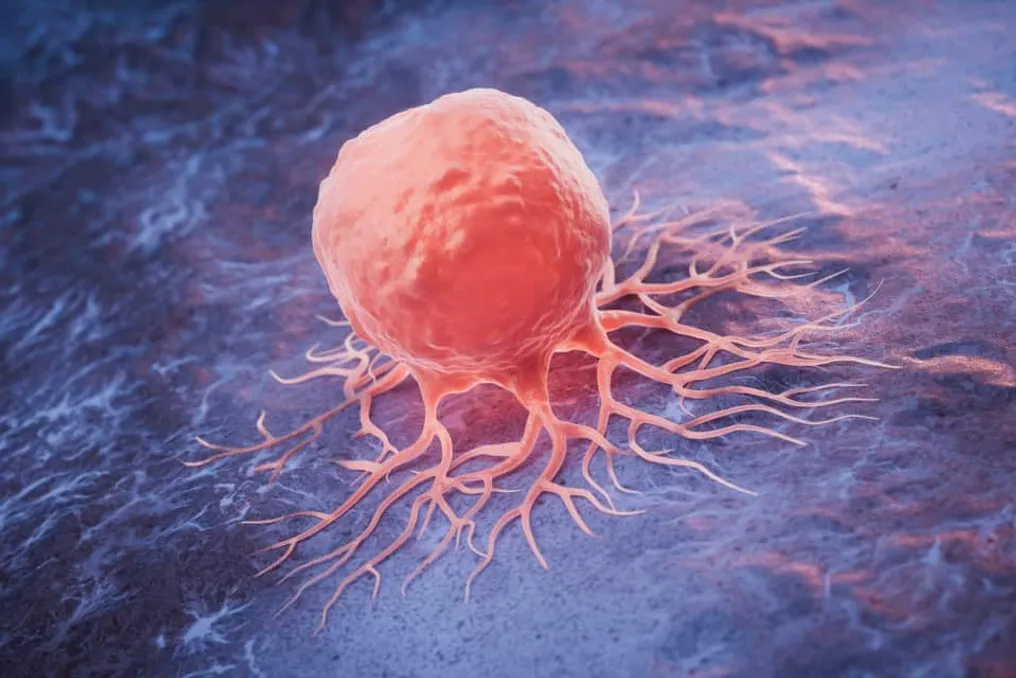
An international group of researchers has created nearly 700 new models of human cancerous tissues using tumors provided by patients. This collection is one of the largest of its kind available to the scientific community.
The study authors claim that this material can accelerate the search for new drugs and more targeted therapies against various forms of the disease. These models represent 25 types of cancer and are already available to scientists worldwide. The results of the work were published in the journal Nature on Wednesday.
Researchers from the Koch Institute, MIT, Broad Institute, Dana-Farber Cancer Institute, the National Cancer Institute (NCI), and more than two dozen partner institutions participated in the project.
To form the new collection, researchers obtained over 2,700 tumor samples from patients treated in hospitals in the USA, the UK, and the Netherlands; all these samples were authorized for research use.
The team managed to convert about a third of these samples into models that can exist indefinitely in the laboratory. Most of them were transformed into organoids—three-dimensional structures cultured in the lab that more accurately reproduce the genetic and molecular characteristics of the original tumors.
Unlike traditional cell lines, which have been grown in a single layer of cells since the 1950s, organoids grow in three dimensions and better preserve tissue architecture.
The models cover both common types of cancer, such as lung, liver, and pancreatic cancer, and about 150 rare tumors, including gallbladder and small intestine cancer.
All models were deposited in the American Type Culture Collection (ATCC), a non-profit organization responsible for distributing cell lines for research. In addition to the cells themselves, the bank contains detailed information about the patients who provided each model, including hereditary mutations and received treatment.
According to the researchers, this dataset will allow for large-scale drug testing and the identification of new therapeutic targets for different types of cancer.
In a second article published simultaneously in Nature, researchers from the Broad Institute analyzed over 300 new models using whole-genome sequencing, RNA analysis, and testing with the CRISPR gene editing tool. This study identified specific vulnerabilities in various tumors that could become targets for future medications. The data obtained was integrated into the Cancer Dependency Map (DepMap)—a platform that now combines information on over two thousand cancer models.
Another study, published in the same issue of the journal and conducted by the Wellcome Sanger Institute, characterized another 256 organoids developed as part of the project.
Although the initial program is coming to an end, researchers plan to continue expanding the collection with new models derived from patient tumors, especially those from childhood cancer and rare types of disease.
Boehm stated: "Today we have about two thousand models, but we still need much more to reflect the full diversity of cancer patients in preclinical studies. We hope this will be the beginning, not the end, of this work."
Mushriq Al-Jazrawe, Scientific Director of the Koch Institute's High Throughput Sciences platform, noted that the next step will be to develop methods to study these models in an increasingly standardized and large-scale manner, expanding their application in the development of new treatments.
After twins in Anantapuram died because their seriously ill mother could not breastfeed them, this tragedy deeply affected Dr. G. Gemalath and raised a vital question: what if every child had access to mother's milk?
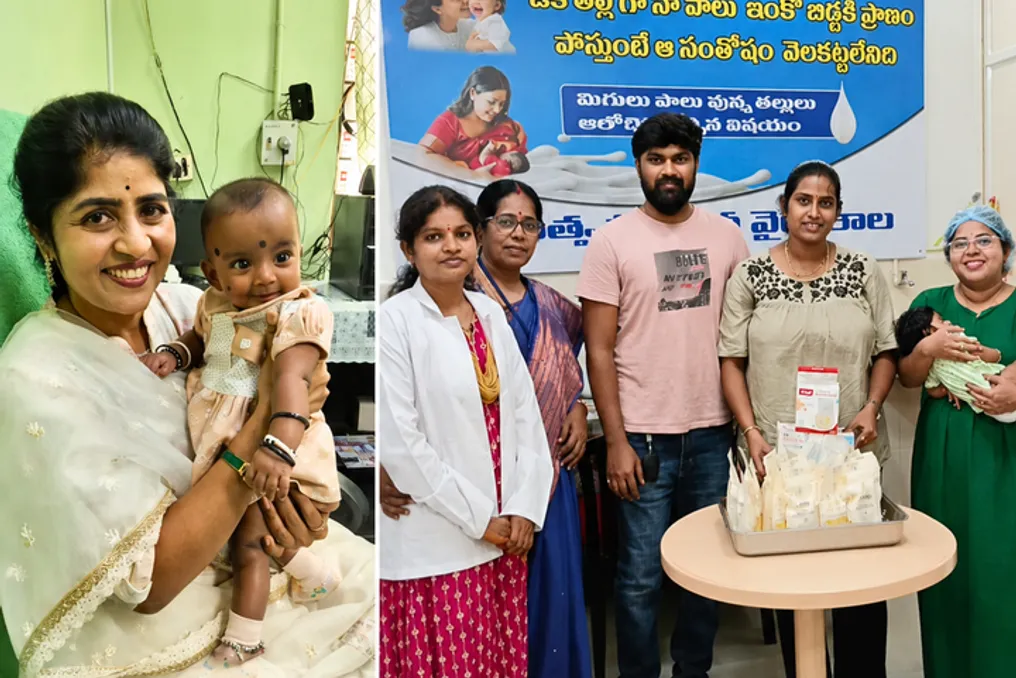
This question led to the creation of the Ananta Breast Milk Bank in 2025. Today, healthy mothers donate their surplus breast milk so that premature, orphaned, and seriously ill newborns never experience a lack of necessary nutrition.
Every donor undergoes thorough testing for HIV, hepatitis B, and other infections. The milk is pasteurized, retested, safely stored, and provided absolutely free of charge to the smallest and most vulnerable infants.
Dr. G. Gemalath's efforts were not limited to the hospital. When new mothers could not reach the facility, Dr. G. Gemalath organized collections of donated breast milk from villages, sometimes using her own transport.
The public response was exceptional: over 5000 mothers donated, providing more than 600 liters of breast milk after feeding their own children, and expecting nothing in return.
Among them was Lavanya, who was often asked if she received payment for her donation. She replied that 'good deeds should be encouraged, not discouraged. Mother's milk is one of the purest things in this world.'
The breast milk bank has counseled over 40,000 mothers and helped raise over 4000 newborns weighing only 800 grams. Every drop gave another chance at survival. Although these women rarely meet the babies they save, every bottle they donate carries hope, love, and life. In Anantapuram, thousands of newborns have gained more than just nutrition—they have found countless mothers.