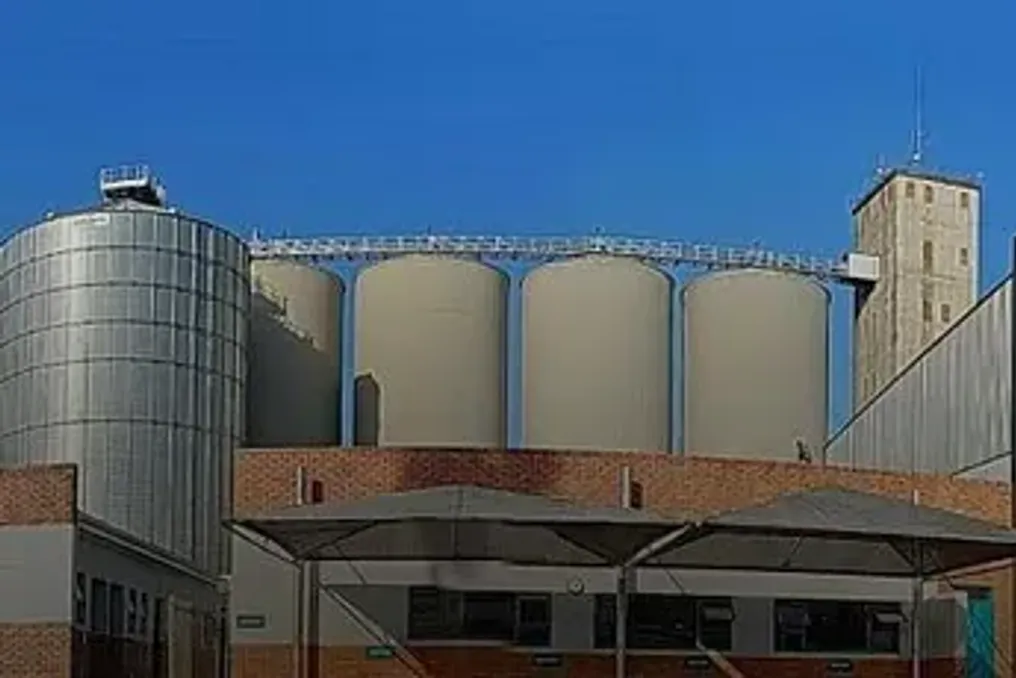
The proposed closure of the fruit processing plant of Premier in Tulbagh is capable of causing significant damage to employees, farmers, and businesses dependent on the agricultural economy of this area.
The company confirmed that it has initiated the consultation process in accordance with Section 189 with affected employees and recognized representatives regarding the proposed controlled closure of its Fruit Products Western Cape division.
Premier is a consumer goods manufacturer whose shares are listed on the JSE and has a history spanning over two centuries. Its product portfolio includes well-known brands such as Blue Ribbon, Snowflake, Iwisa, Manhattan, Rhodes Quality, and Bull Brand, and its operations cover the production of flour, baked goods, confectionery, personal hygiene products, and food items.
Premier stated that the business in Tulbagh in its current form is no longer economically viable. The company attributed this to declining global demand for canned fruits, changes in export conditions, price pressure, rising raw material costs, and the need to achieve greater scale in an increasingly competitive international market.
Approximately 90% of the canned fruit plant's output is exported, making the operation highly dependent on global demand and international competitiveness. Premier noted a sharp year-on-year decline in demand and argued that South Africa's canned fruit industry is unlikely to sustain two small facilities long-term.
The Cosatu Western Cape federation demanded that Premier halt the Section 189 process. It argues that the closure threatens approximately 3,500 permanent and seasonal jobs at the plant, over 2,000 positions for permanent farm workers, as well as the livelihoods of about 200 commercial producers and their suppliers.
According to Cosatu, the plant processes up to 60,000 tons of fruit annually and purchases about 300 million rand worth of produce from local farmers.
Economists Ulrich Jobert and Douwe Rudd believe that the closure could have a substantial impact on the Tulbagh economy. Jobert characterized the potential consequences as 'huge,' noting that they would extend far beyond the plant's employees. He explained that the plant required goods and services from external suppliers, meaning a loss of income for transport operators and businesses in surrounding towns.
'This is a very important industry for a small town like Tulbagh. The local economy will be heavily affected by this,' he stated. Farmers may redirect some of their produce to other processing plants, but this will not prevent a decline in local investment and economic activity. Jobert added that the canning enterprises provided farmers with a crucial market for fruits that could not be exported or sold as premium fresh produce. Without the plant, some of this produce might spoil, reducing producers' income and making it difficult for farms to retain workers.
Rudd noted that food processing companies are increasingly consolidating into larger structures that can benefit from economies of scale. Acknowledging the social costs, Jobert emphasized that it is not financially sensible for a company to indefinitely operate an unprofitable business. He added that any rescue plan must include new capital, equipment, productivity improvements, or another ownership model.
Premier reported that it is negotiating with farmers and producer representatives regarding fruit purchases for the current season, including possible alternative processing options and support measures. The Competition Commission confirmed that the closure is under investigation. A representative, Siyabulela Makunga, stated that Premier's acquisition of RFG Holdings was approved by the Competition Tribunal on March 6, 2026, subject to protecting public interests, including a moratorium on merger-related redundancies. Cosatu, workers, and community members are expected to protest the closure on Thursday.