The author recounts his initial experience when purchasing a Xiaomi phone, seeking the best cost-benefit due to financial constraints. Initially satisfied with prioritizing specifications over logos, he soon realized that the attractive price came with advertisements integrated into the operating system, such as in the file manager and security application.
This savings, according to the author, meant that he hadn't just bought a device, but rather a point of sale. The device performed basic functions while simultaneously displaying advertising, making it seem as if the device was constantly reminding him of his installments.
Although the author had not complained about banners in the past, he felt bothered by having permanent ads on the system of such a cheap phone, feeling penalized for not having the resources to acquire a superior model.
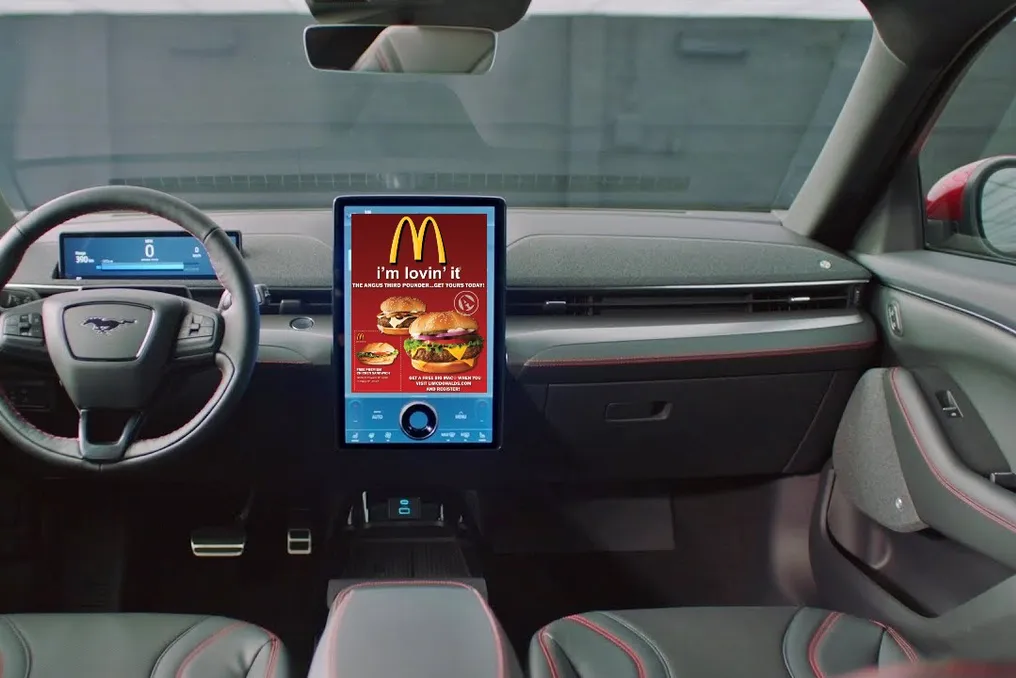
Nearly ten years later, BMW adopted a similar strategy, integrating Spider-Man promotional animations onto the screens of compatible models, in partnership with Sony Pictures. When starting the car, the user could interact with a superhero banner, triggering a full animation, including ambient light effects.
Advertisers consider this action a marketing success, citing that it moved $309 million in media value. However, the author points out that car owners are ignored in this process, because by paying for the vehicle, they end up signing an agreement with Sony or other BMW partners.
Unlike Xiaomi, where advertising was a byproduct of the discount, in BMW it is part of the premium value proposition. Critics argue that this practice reflects the contemporary mindset of 'that's just how it is and it's fine,' minimizing the intrusion of ads on the dashboard.
The text discusses how advertising has evolved from sporadic interruptions in traditional media to total integration, where 'everything has become an advertisement.' Social networks have driven the transformation of life into something marketable, turning everyday moments into content optimized for engagement.
The new consumer society, according to the author, does not aim only to sell material goods, but rather to sell access, permissions, experiences, and automatic renewals. The physical object remains with the consumer, but part of it is retained by the company.
The traditional transaction model had a clear beginning, middle, and end; the current model, however, initiates a continuous relationship that only ends when the item is discarded. While the old model encouraged the purchase of new products, the new one focuses on maintaining payment for what has already been acquired.
The car, historically seen as a private space and a symbol of freedom, began to lose this autonomy. Manufacturers maintain control through digital keys, data monitoring, and remote changes, presenting this as a benefit.
BMW had already implemented charging for features, such as heated seats, via subscription. Although there was negative resistance, the company maintains services like driving assistance and navigation by subscription.
The change is not only motivated by greed but by an industrial transformation imposed by political calendars. Manufacturers had to invest heavily in new technologies while dealing with Chinese competitors who achieved electrification with less industrial background. This occurred in a context where China received much greater state support, even subsidizing cars that never reached the consumer.
Meanwhile, Western companies needed to build a parallel industry and generate revenue from the new technology, under the risk of fines. This pressure led to the adoption of connected services, digital packages, and subscriptions, as every car sold needed to generate continuous value after leaving the dealership.
With the screen becoming an advertising space, industries predict that payments made directly in cars for local services could move $625 billion by 2030, which companies call the new digital experience, and advertising the new commercial surface.