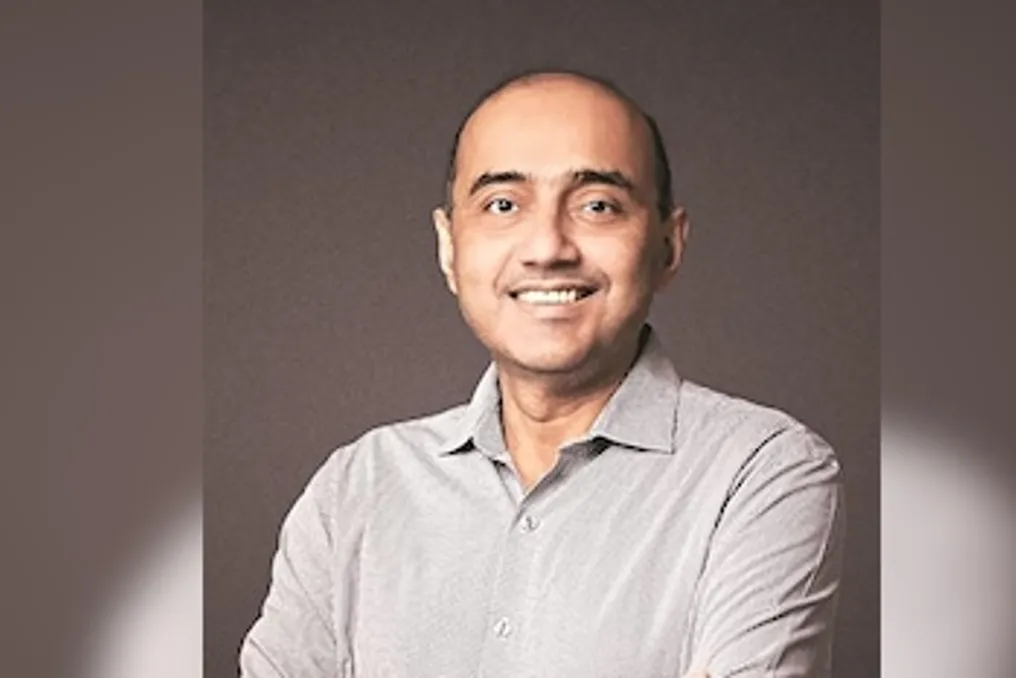
Executive Vice Chairman of Bharti Airtel, Gopal Vittal, emphasized the need to change the pricing structure in the Indian market. He stated that for the long-term financial sustainability of operators, increasing the average revenue per user (ARPU) through high-data consuming and willing-to-pay customers is more important than simply raising overall tariffs.
Vittal noted that the current model, where very low prices provide unlimited data, limits ARPU and is not healthy for market functioning. In his view, by implementing a more rational pricing architecture, there will be stable ARPU growth over the next five to seven years as India becomes wealthier, without needing to touch basic tariffs.
He voiced this position during a call following the first quarter of the fiscal year 2026-27 (Q1FY27) of the company. However, if the pricing structure does not shift towards charging large users for data consumption, telecom companies may be forced to raise tariffs to maintain the ARPU level necessary for financial stability.
Analysts believe that to ensure investments in 5G network deployment in the highly competitive Indian market, operators will have to conduct another round of tariff increases of 10–15% this year. Operators have already raised their tariffs three times since 2019.
Airtel's Managing Director and CEO, Shashwat Sharma, also stressed that the change in pricing architecture must happen across all market participants. He stated that the industry's long-term pricing structure requires repair, and the industry must charge for data consumption, which is critical for sustainable long-term ARPU growth.
Responding to the question about capital expenditures of around $4 billion next year, Vittal reported that the funds will be directed towards building data centers as part of the Nxtra project. The company may also raise additional debt beyond the $1 billion obtained from Carlyle Group and Alpha Wave Global.
He added that the company's market share of about 12% is clearly small given its scale. The company is working towards achieving the ambitious goal of creating 1 gigawatt (Gw) of data center capacity in the coming years, and many contracts have already been signed. Furthermore, the process of acquiring additional land parcels in suitable locations is underway.
Vittal also pointed to growth opportunities in the African market in the coming years. He reported that the group will facilitate synergy between businesses in India and Africa after Airtel's stake in the African structure was increased to 79% this quarter. Airtel Africa's mobile money business plans to list on the London Stock Exchange by the end of 2026.
Vittal predicts that Africa will perform above expectations, and the contribution of the African segment will continue to grow in the overall portfolio, with investments in Africa increasing.
After launching the Fastlane 5G slicing feature for topped-up accounts, Vittal noted significant growth potential in the prepaid segment, which is stimulated by high-paying prepaid customers perfectly suited for transitioning to postpaid plans.
Sharma noted that thanks to the Fastlane service, the number of postpaid customers and ARPU grew in the first quarter of fiscal year 2027. He emphasized that there is significant untapped potential in mobile ARPU within the current customer base, as there is sufficient renewal driven by data consumption, transition to unlimited plans, and accelerated shift to postpaid due to the differentiation brought by Fastlane technology.
He also drew attention to the rise in global memory and chipset prices, which complicates Fixed Wireless Access (FWA) deployment and increases customer churn. In response, the company has adjusted its strategy by returning to fiber optic deployment in 400 key cities and using FWA where fiber optics are unavailable.