In the states of Uttar Pradesh, Bihar, Maharashtra, and Rajasthan, students decided they had waited long enough, demanding proper educational conditions.
In the states of Uttar Pradesh, Bihar, Maharashtra, and Rajasthan, students decided they had waited long enough, demanding proper educational conditions.
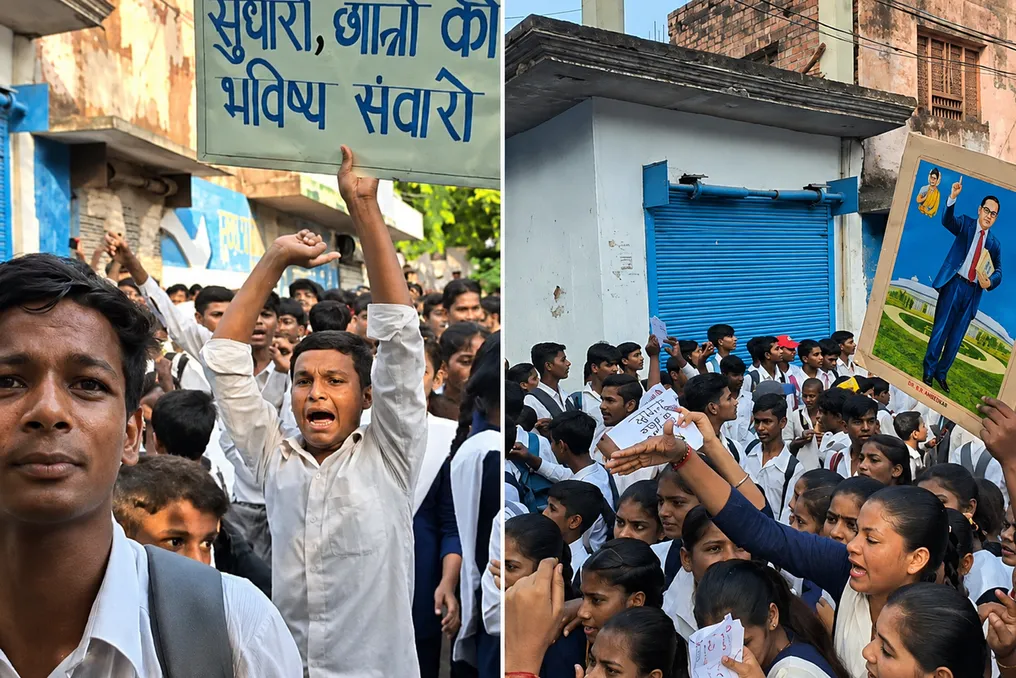
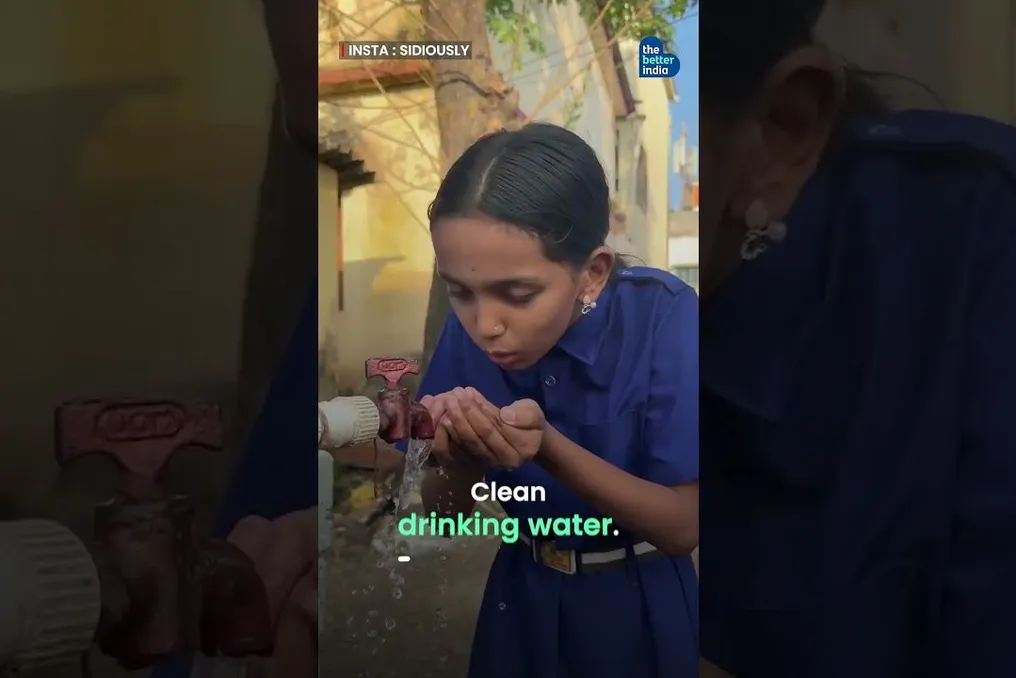
In the city of Fatehpur, Uttar Pradesh state, nearly 1500 students boycotted classes for more than five hours. They demanded clean drinking water, working fans, safe toilets, and transparency regarding alleged unauthorized fee collection. This protest yielded results: officials agreed to seven out of their eight demands.
The movement did not stop there. In Bihar, students marched to the SDM office, demanding facility improvements. In Maharashtra, children took to the streets demanding better school infrastructure. In Rajasthan, female students protested because their school only had two teachers; following their demonstration, five new educators were appointed.
Their voices reflect a broader reality: over 100,000 government schools in India still lack electricity, nearly 100,000 schools operate with only one teacher, and thousands still lack girls' toilets.
Children should spend their time learning, not protesting for clean water, toilets, electricity, or teachers. Yet, this generation chose to speak up instead of remaining silent. Their courage is a reminder that knowing one's rights is the first step toward protecting them.
The classroom is a place where children spend a significant part of their day, but the learning process is hindered if the surrounding space lacks basic amenities such as fans, suitable seating, clean drinking water, and comfortable facilities.
Students at Sarvodaya Inter College in Kishanpur, located in Fatehpur district of Uttar Pradesh state, faced the reality that these conditions were not just items on a list, but daily necessities affecting their school experience. During the height of summer, many students felt discomfort due to the lack of fans in some classrooms, as well as the need for furniture and other essential elements to be updated.
Instead of continuing to wait for change, the students decided to raise their issues themselves. These students belong to Generation Alpha, born around 2010. Growing up in a world of rapid information dissemination, the young students found a way to draw attention to the problems within their own school.
Their demands were simple: to ensure better quality learning conditions so they could study in a more comfortable environment. The students emphasized issues such as the need for fans, proper furniture, sources of drinking water, and overall improvement of the school's infrastructure. Their concern was about creating the best possible learning environment, rather than meeting needs beyond the basic requirements of an educational institution.
The students chose a peaceful method to convey their position. They gathered with placards and chanted slogans, highlighting the condition of their classrooms. Images and videos from this event quickly spread online, attracting widespread attention to their concerns.
Thanks to the protest, the students highlighted the importance of a comfortable and supportive educational environment. It was also shown that modern young students are more willing to participate in discussions about the spaces they use daily. Instead of silently accepting the existing situation, they collectively addressed the problem and demanded action from the authorities.
The demonstration attracted the attention of education officials. The District Inspector of Schools (DIOS) responded to the students' agitation and assured them that steps would be taken to improve the school's conditions. Following the students' efforts, necessary improvements were made, including the installation of fans and new furniture. Officials also considered other issues raised by the students.
What started as a request from a group of students became a reminder that students are not just learners in classrooms; they are also people who use these spaces daily and can offer valuable ideas on how they should be improved.
The story of Sarvodaya Inter College is not just about fans, benches, or classroom repairs. It speaks to the fact that good education also depends on having a safe and comfortable place to learn. Their efforts served as a reminder that every child deserves a classroom where learning is not complicated by the absence of basic amenities.
A fan might seem like a minor addition, and a desk like simple furniture. However, for students spending hours in these classrooms, these basics can be immensely important. The children of Kishanpur demonstrated that sometimes the first step toward improving a school begins with the very question asked by the students: 'Can our classrooms be better?' And when they asked, people listened.