Arthur Zwane, the coach of AmaZulu, expressed deep dissatisfaction with the lack of genuine goalscorers in modern South African football. He sharply criticized the growing obsession of teams with ball possession, insisting that the ultimate goal of any match is to score goals, not just control the game.
Speaking ahead of the quarter-final against Sekhukhune United on Sunday, Zwane noted that Usuthu's main problem after the first round of the Betway Premiership was the inability to convert created chances into goals. His comparison of today's game to 'Facebook football' is controversial, but behind this vivid phrase lies a serious concern.
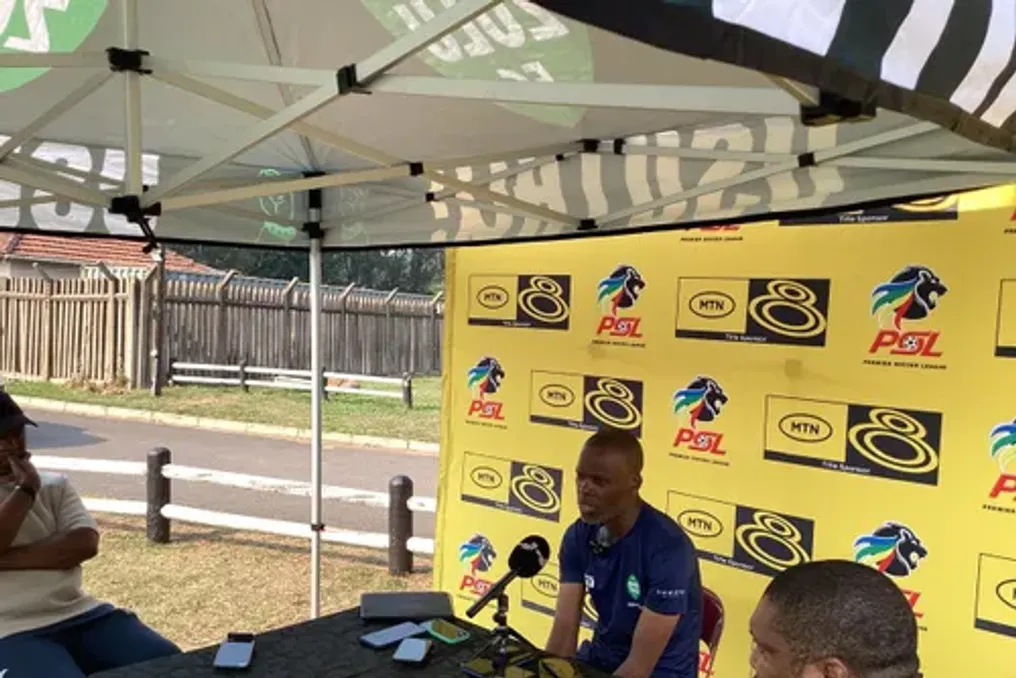
During an open press conference for AmaZulu at Kings Park Stadium on Wednesday, Zwane stated: 'We are not playing Facebook football.' He added that many commentators note the high number of touches by players (e.g., 250), but there is a lack of shots and goals, which, in his opinion, does not align with the essence of football.
For Zwane, ball possession is only valuable if it leads to opportunities in the final third of the pitch. He believes too many teams are focused on dominating the ball instead of attacking the opponent where it truly matters. He emphasized: 'You attract the opponent, use space, create scoring opportunities, and ensure their realization. That is how you compete in the PSL.'
Zwane believes this philosophy is lost in South African football, where the role of the traditional striker has changed to the detriment of effectiveness. He recalled times when forwards like Fani Madida, Phil Masinga, Shaun Bartlett, Siyabonga Nomvethe, and Collins Mbesuma regularly accounted for goals, rather than being judged by their level of involvement in the overall game. He firmly stated: 'A striker's job is to finish attacks. To be near the penalty area and score. If I don't score goals, I am not doing my job.'
The coach believes that expectations for modern attacking players have changed drastically. Instead of staying in dangerous areas, many are now expected to drop deeper, move wide, and participate in every phase of ball possession. While this may garner praise, he questions whether it fosters better quality footballers. He noted: 'Players are everywhere on the field. They are praised, but if you look closely, some passes actually put teammates under pressure, and they are still thanked.'
Nevertheless, the AmaZulu coach does not completely reject possession-based football. He cited world champions Spain as an example, showing how it should be implemented. During the recent World Cup, Spain controlled matches for long periods, but Zwane stressed that they never forgot the main objective. 'No matter how long they possessed the ball, they were direct. They created the most chances. Ultimately, if they hadn't scored goals, all that possession would have been meaningless.'
Ultimately, Zwane's main concern relates to a problem that, in his view, is already reflected in the local league: leading goalscorers rarely reach the mark of 15 goals in a full season. He concluded: 'We are not feeding our strikers. We are not making them lethal.' He admitted that he is trying to solve this problem at AmaZulu as well, because despite winning the opening match against Stellenbosch, he felt the team should have convinced its opponent of its victory by creating more clear-cut chances. 'I am worried until we score goals.'
Ahead of the quarter-final against Sekhukhune United on Sunday, AmaZulu has a chance to demonstrate that the coach's criticism of South African football is not just talk. For Zwane, the formula remains simple: ball possession can control the game, but goals decide it.