The Royal Mint is transforming electronic waste into luxury items by extracting gold from components of old phones for the Bank of England. This process takes place at a facility in Llantrant, South Wales, in the heart of the British Mint.
The Royal Mint is transforming electronic waste into luxury items by extracting gold from components of old phones for the Bank of England. This process takes place at a facility in Llantrant, South Wales, in the heart of the British Mint.
Located near Cardiff in Wales, the Mint, which is the state producer of British coins and medals, utilizes this initiative because a significant portion of electronic waste never reaches proper recycling facilities.
The factory, opened two years ago, is capable of processing about 4,000 tonnes of e-waste annually, containing 'approximately 400 kilograms of gold,' according to the Mint's Director of Development, Sean Millard. The chemical treatment process occurs in automated, closed vats, as the technology is patented by the Canadian company Excir.
Each Bank of England office phone that is recycled here contains about 30 milligrams of gold, which is worth approximately three pounds at current prices. A modern smartphone contains about four pounds of this metal. Gold is valued in electronic circuits due to its good conductivity and corrosion resistance, but its chemical stability makes extraction from e-waste difficult.
Unlike many recyclers who melt e-waste in large batches, the Mint first disassembles the devices. Copper, tantalum, and even plastic from printed circuit boards are sorted and sold to specialized recyclers. Traditionally, gold is extracted either by smelting at very high temperatures or using corrosive acid mixtures, which results in hazardous waste.
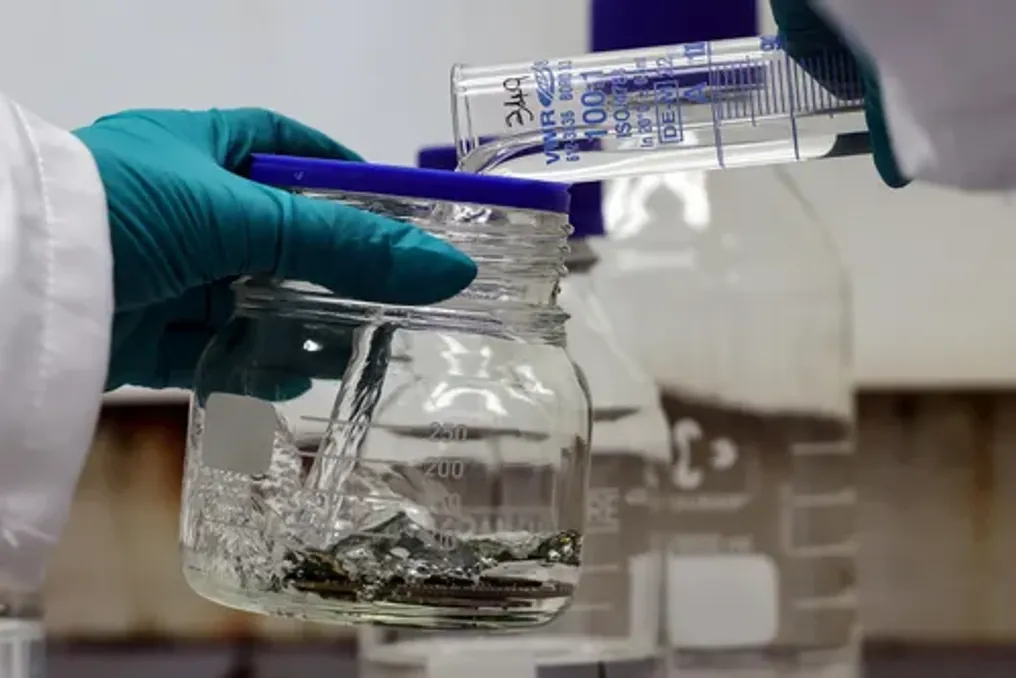
Instead, the Mint employs a room-temperature gold dissolution method. Kate Griffiths, a chemical analyst at the Mint, notes that 'no external energy consumption is required, and it can be reused for every batch of raw material.' She demonstrates this process by placing electronic components in a chemical bath and sequentially adding reagents until a fine gold powder is formed.
After purification to increase purity, the extracted gold is used to make jewelry under the Mint's '886' brand, which refers to the institution's founding date. Additionally, the Mint uses recycled silver, part of which comes from old radios donated by British hospitals.
In the jewelry workshop, which is quieter than the minting halls of the Mint, John Powell, aged 63, carefully polishes a ring. He admits he cannot distinguish a piece made from recycled material from a regular one.
According to a United Nations report, only 22.3 percent of e-waste was properly collected and recycled in 2022. The report warns that improper disposal can lead to lead, mercury, or plastic entering the environment and contributing to climate change.
Simultaneously, the sharp rise in gold prices has made its extraction increasingly attractive. The metal reached a record level of nearly $5,600 per ounce at the end of January amid global economic uncertainty, although the price has since dropped to around $4,000. Jason Hallett, Professor of Sustainable Chemical Technologies at Imperial College London, believes that 'when the price of gold is truly high, the cost of waste recycling for gold extraction becomes negligible,' making alternative solutions commercially viable, provided the extraction processes do not lead to a sharp increase in energy consumption or emissions.
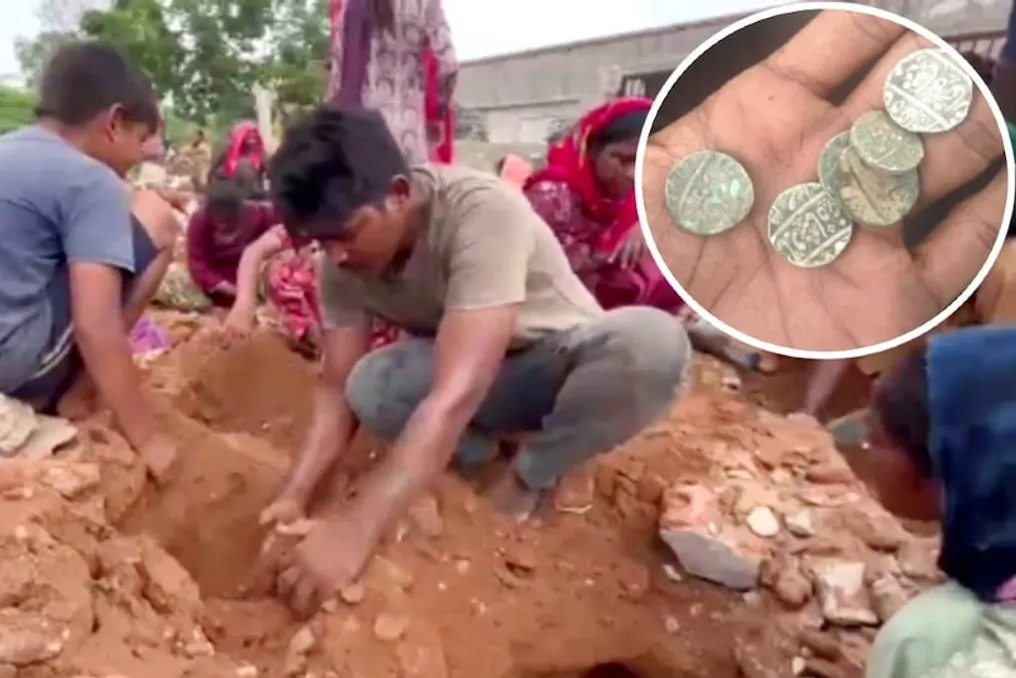
News emerged from Palanpur, located in Banaskantha, that sparked great interest among the city's residents. As soon as information spread about the discovery of old silver coins in the rubble near the Mansarovar area, a large number of people arrived at the site.
Soon, a huge crowd gathered at the location, and excavation work began on the rubble. It is reported that garbage from some old house or shop had previously been dumped on empty land near Mansarovar. It was in this rubble that the rumor of ancient silver coins arose.
Upon receiving this information, local residents began arriving at the site. Those who found coins started excavating the rubble and took the discovered coins with them. Soon, this news became known throughout the city of Palanpur, and large groups of people started flocking to the scene.
For a long time, a large crowd remained at the site, and various discussions took place regarding the old silver coins. However, at the moment, there was no official confirmation regarding how old these coins are, what period they belong to, or what their historical or economic significance is.