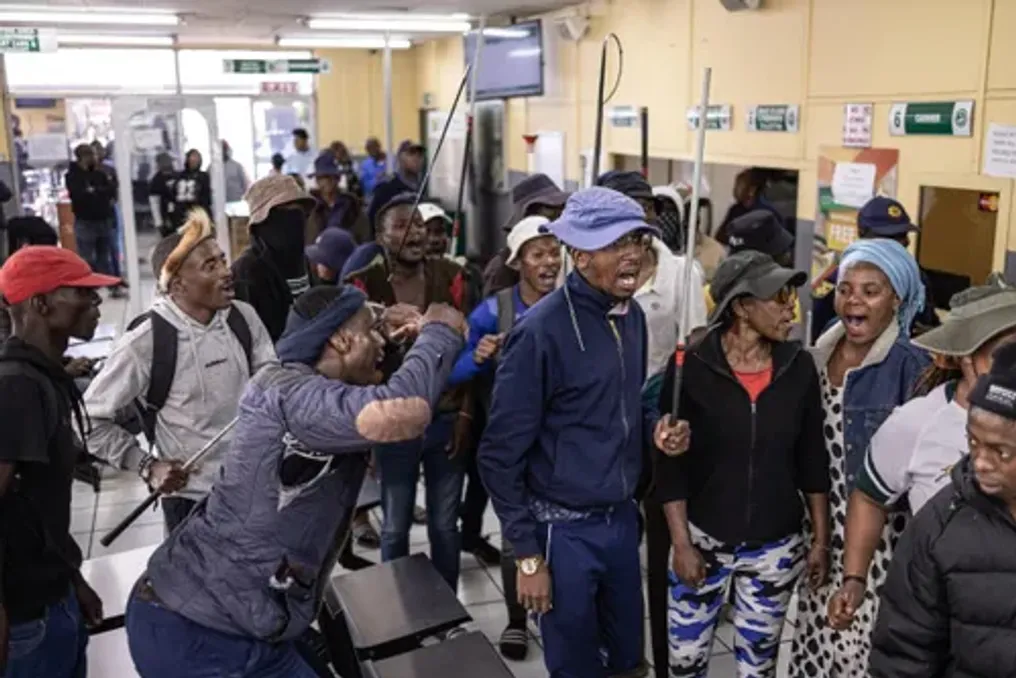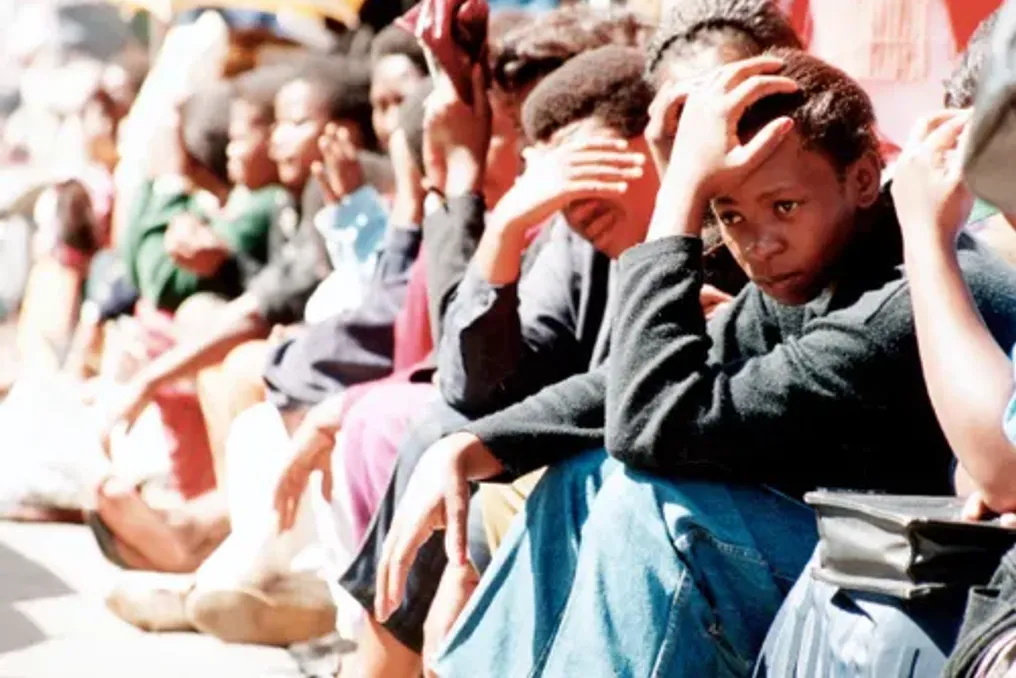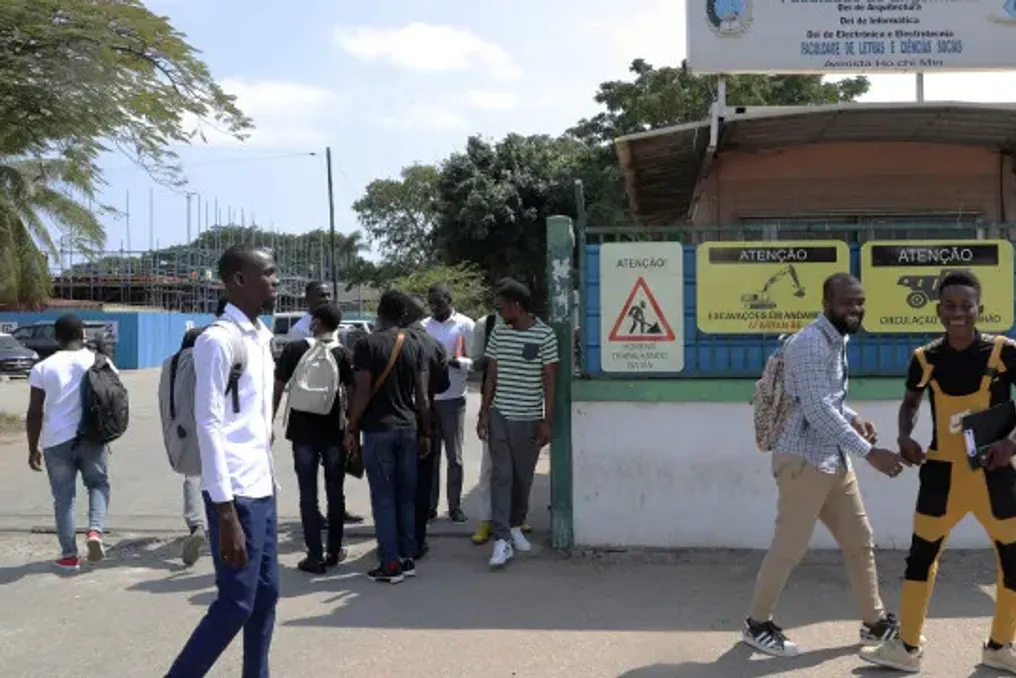
According to the report 'Beyond Borders: Citizen Perspectives on a Shifting Global Order,' published in Accra, Ghana, half of Africa's population, particularly educated youth, are contemplating moving abroad.
Citizens of West, Central, and Southern African countries have an increased likelihood of migration: 34% in West Africa, 24% in Central Africa, and 23% in Southern Africa. The most inclined to migrate are citizens of The Gambia (53%) and Liberia (51%). This report is based on representative national surveys across 38 African countries.
Migration processes driven by climate reasons, conflicts, or climate change show a 'significant increase.' Conversely, in countries such as Togo (a decrease from 30% to 23%), São Tomé and Príncipe (from 35% to 31%), and Malawi (from 28% to 25%), there has been a noticeable decline in the proportion of people considering leaving their country.
The document also indicates that men aged 18 to 35 predominantly constitute those migrating, and they possess a higher level of education. Furthermore, the desire to migrate is more prevalent in urban areas compared to rural ones.
The data suggests a decrease in the desire to remain on the African continent—the indicator dropped by approximately nine percentage points, while more people are looking beyond the continent. Europe is the main destination (29%), followed by North America (28%).
Nearly half of respondents believe that the arrival of people for long-term work will positively affect the economy, with the exception of some states such as Gabon (74%), South Africa (69%), and the Republic of Congo (63%).
Josephine Sunny, Director of Communications for Afrobarometer, stated during the presentation of the document: 'In Africa, unlike the rest of the world, it is the most educated, qualified, and wealthy who express the strongest resistance to immigrants.'
Most respondents supported opening economies to trade and favored global connections; however, awareness of the African Continental Free Trade Area (AfCFTA) remains low. According to the survey, 62% of respondents believe governments should promote international trade, which is the preference of the majority in 32 analyzed countries, although countries like Angola, The Gambia, Madagascar, and Mauritania still prefer limited exchange.
Moreover, 66% support expanding global trade relations, with Malawi and Mali being the only exceptions that prioritize such global openness.
Regarding global powers, over 60% of respondents view China as a positive influence. The United States is still perceived as a positive influence, but its share has decreased by six percentage points, while the share of negative influence has increased by seven.
Besides these global powers, the European Union ranks third in positive influence, followed by former colonial powers, India, and Russia. The influence of international organizations, such as the African Union and other regional economic blocs, is assessed by respondents as favorable.
The opinion of the majority of respondents regarding international organizations like the UN and its Security Council shows that 71% believe their country should have a greater say in the decision-making process, with the exception of Angola, according to Sunny. The Director of Communications concluded: 'More and more Africans are saying that rich and developed countries bear the primary responsibility for climate change.'
The report presents citizens' views on cross-border trade and economic integration, migration, the role and influence of Africa in global governance, as well as the perception of major world powers' influence on the continent.