Amidst the active electric motorcycle race in India, where companies like Ola, Ather, Bajaj, and TVS have focused on premium consumers and marketing, the startup River Mobility chose a different path that proved successful. The Bangalore-based company raised $120 million in a Series C round.
The investment was led by Indian investors Elev8 Venture Partners and Claypond Capital. They were joined by Singularity AMC, Anicut, 360 ONE, JIF, and HDFC AMC, as well as existing partners including Yamaha Motor, Al-Futtaim, and Mitsui. The debt portion was less than 12%, and the entire amount was received as equity capital. The total amount raised now reaches $144 million.
Although the two-wheeler EV market in India is the largest in terms of adoption, most startups have focused on urban consumers, offering sporty designs, connected displays, and premium features. However, River Mobility's CEO, Aravind Mani, noticed a significant gap in the market.
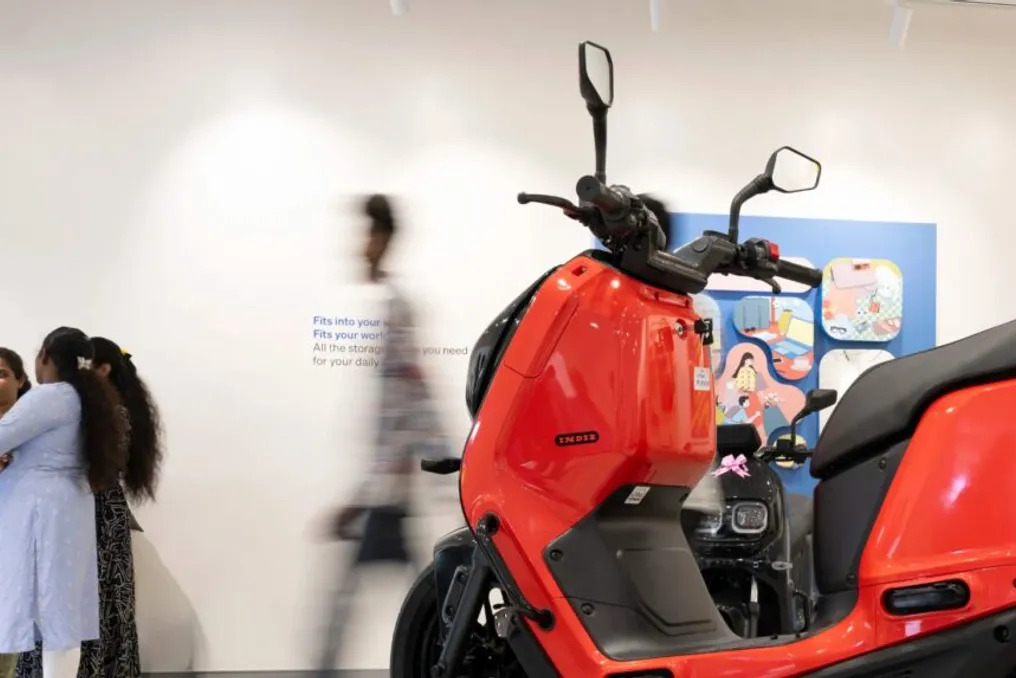
He pointed out self-employed individuals, couriers, small business owners, and service workers who travel 60–80 kilometers daily, for whom cost per kilometer and reliable equipment operation are critical. In 2023, River released only one product—the utilitarian electric moped Indie, designed for work. This moped costs $1630, has an advertised range of 99 miles, and comes equipped with cargo accessories.
Currently, the company ships about 6,000 vehicles monthly through more than 75 stores, exceeding total sales of 50,000 units. Monthly revenue is around $11 million, and annual revenue has grown by 330% as of March 2026. The typical buyer is a self-employed person aged 28–35 who uses the Indie for earning, and for them, the electric vehicle primarily means profitability.
Mani emphasized that the main achievement was the manufacturing base, noting that they once produced only 20 units per day. Today, River produces 300 electric vehicles daily, and this growth was an extremely challenging process. The company's first factory outside Bangalore, after modernization, now produces 10,000 units per month, and it will operate at full capacity by the beginning of next year.
To launch new models, River needs to increase production capacity, so the raised funds will be allocated across three areas. Mani noted the difference from previous rounds: while early checks funded research and development (R&D) and the Indie itself, the current round is aimed at implementing plans. He pointed out a discrepancy he observed: 'Silicon Valley investors have long recognized India's potential in electric vehicles. But they do not understand customer behavior.'
Indian funds, such as Elev8 and Claypond, along with strategic partners like Yamaha, are betting that River has managed to solve problems in both product and manufacturing. Although River competes in a saturated market, its single-model approach gave it an advantage. Instead of dividing engineering and supply chains for four different scooters, all efforts were focused on making the Indie reliable and cheap to manufacture, which allowed them to go from 20 to 300 units per day. Now the risk is reversed: can they maintain this discipline while adding two models and tenfold increasing plant capacities?