The Chinese startup Unitree Robotics is attempting to transform the global recognition of its humanoid robots into a large-scale commercial operation. The company gained worldwide acclaim after demonstrating machines capable of performing acrobatic stunts, but now it faces the challenge of applying this equipment practically.
This progress occurs amid international competition in the field of humanoid robot development, which is considered a strategic area for China. The company, founded by Wang Xinsing, is focusing on reducing costs, controlling component production, and integrating with artificial intelligence systems to accelerate its expansion.
Despite the achieved visibility, widespread adoption remains a distant prospect. Most of the units produced by the company are still held by universities, research centers, and developers, while industrial use constitutes a smaller portion of the business.
Unitree attracted particular attention after public presentations of its H2 and G1 models, which were shown during performances at the Spring Festival Gala, a television event by China Media Group associated with the celebration of Chinese New Year. This demonstration made the company one of the representatives of the Chinese breakthrough in robotics.
During a conference call, Elon Musk of Tesla stated that China holds a prominent position in the humanoid robot sector, noting the lack of significant competitors outside the country.
The growing public attention has also created pressure on the company. Wang Xinsing told Time magazine that the excessive expectations created by the internet amplify the demands for rapid achievements, although developing complex technologies requires longer periods of time.
Unitree's strategy is to offer robots at prices lower than many competitors and maintain control over key hardware parts. The cost of the G1 model was reduced from US$16,000 to US$13,500, while the H2 is valued at approximately US$30,000.
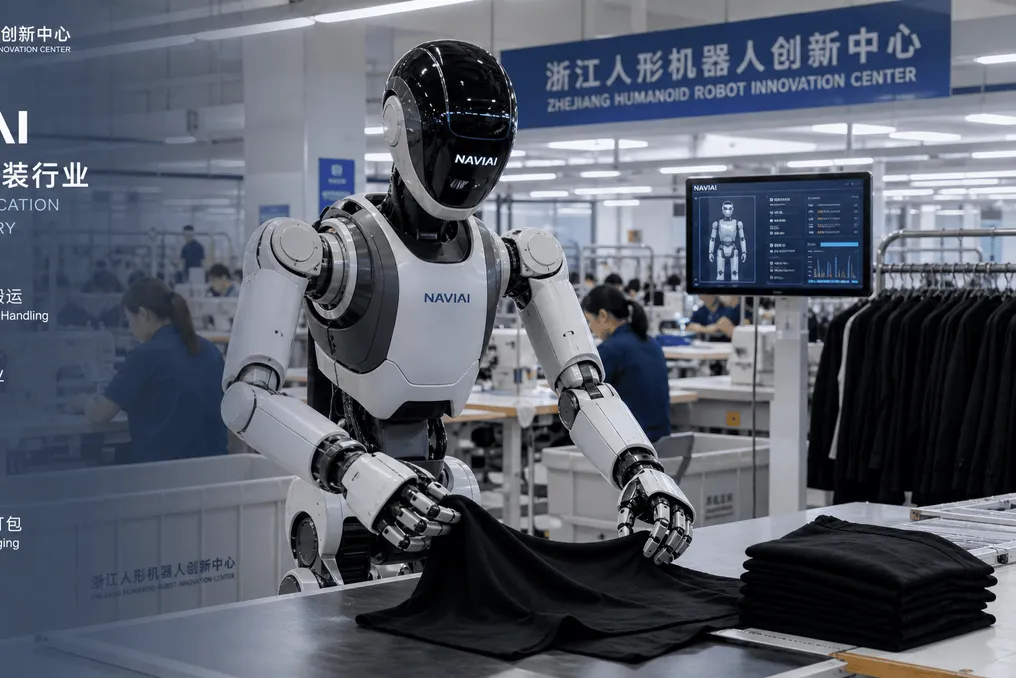
Even after such a reduction, the equipment has not yet captured a broad industrial market. Data provided by the company itself indicates that only a small portion of sales goes to factories and logistics operations, while the main demand is met by academic institutions and research specialists.
Experts point out that humanoid robots still have limitations in performing diverse tasks in real-world conditions. The main difficulty lies in the ability to adapt when working conditions change, such as differences in lighting, materials, or object placement.
Grace Shao, responsible for AI Proem, noted that these devices have not yet reached sufficient maturity for mass market entry. Jian Zheyuan, CEO of the startup Noetix, emphasized that an effective strategy in one specific situation may lose its effectiveness when applied in various scenarios.
Wang compares the current stage of humanoid robotics to the beginning of the popularization of personal computers, when the first users were narrowly specialized professionals. In his opinion, the evolution of software and the increase in the number of developers can gradually expand the industrial use of these machines.
Unitree has also advanced in the process of raising capital on the Shanghai Stock Exchange. Company documents indicate profits of about US$87 million in 2025 and revenue of US$250 million.
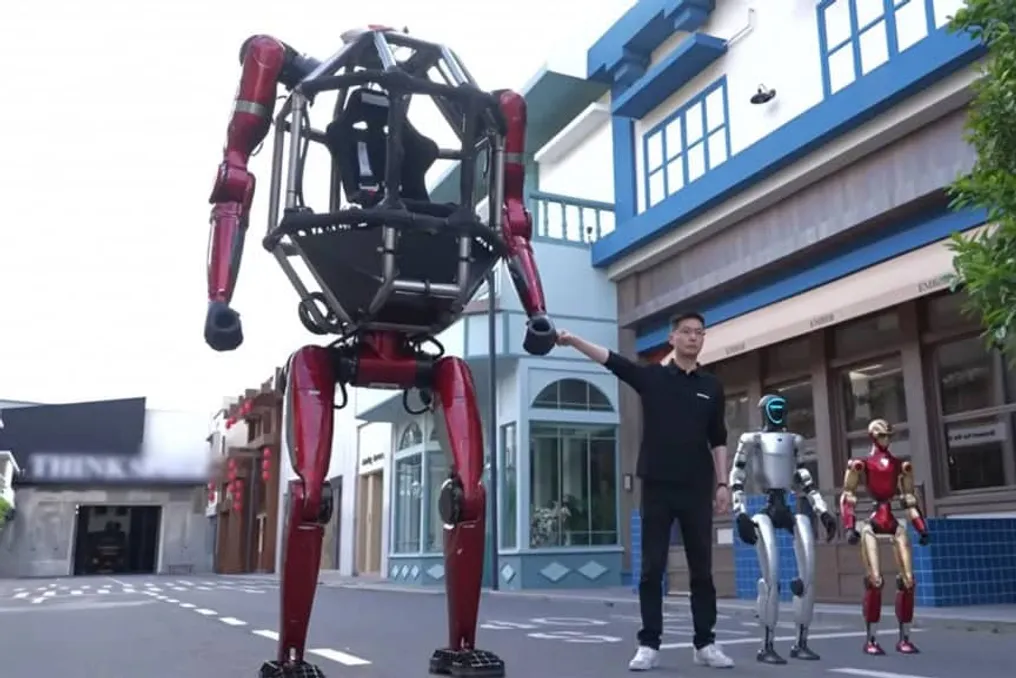
In addition to humanoid robots intended for practical tasks, the company introduced the GD01—a larger robot inspired by mechs from popular culture. This equipment was developed as a platform for testing strength and safety but is not yet a product aimed at everyday use. The project itself attracted attention due to its size and the concept of combining features of bipedal and quadrupedal robots. The company's management expressed caution regarding this equipment, stating that its operation still raises safety concerns.
The company hopes that advancements in artificial intelligence will allow for the expansion of the robots' capabilities and bring them closer to more complex actions. Nevertheless, Wang believes that the widespread adoption of humanoid robots will depend on time and technological maturity.