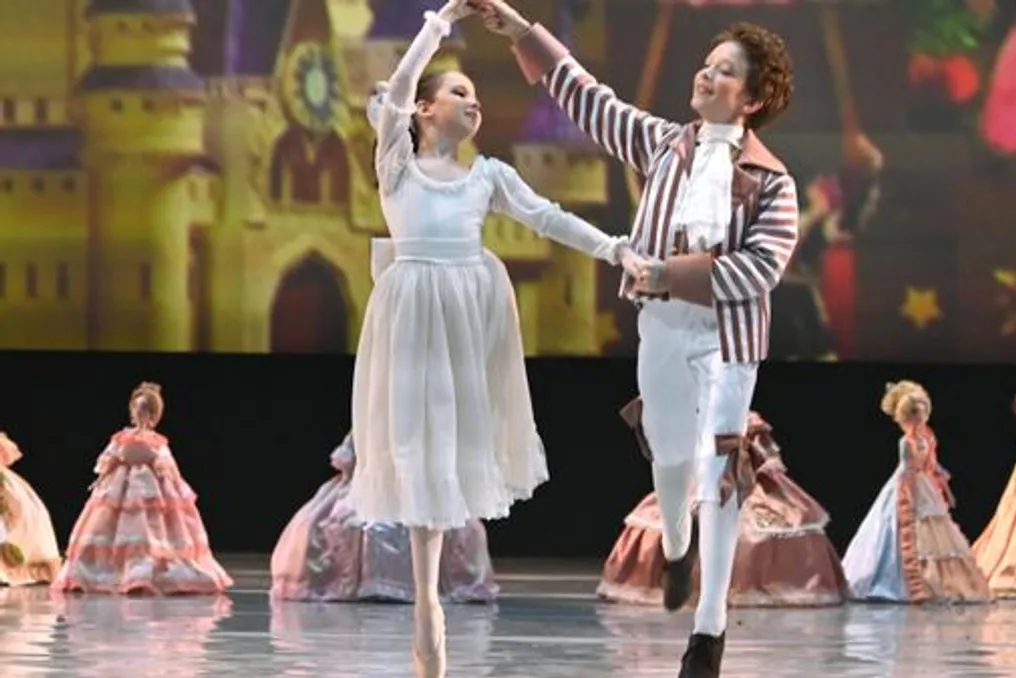
The Russian art festival named 'San'at Dunyosi' will take place in Tashkent. This five-day festival will combine exhibitions, opera concerts, film screenings, Khakas dances, and Russian ballet within one event.
The Russian art festival named 'San'at Dunyosi' will take place in Tashkent. This five-day festival will combine exhibitions, opera concerts, film screenings, Khakas dances, and Russian ballet within one event.
According to a message from the press service of the Foundation for the Development of Culture and Art, the festival will be held in Tashkent from September 30 to October 4. The program is designed for five days and will include a synthesis of music, theater, cinema, choreography, and visual arts.
Organizers note that the festival will serve as a platform for creative dialogue, uniting different generations, artistic traditions, and modern cultural directions. The full program of events will be announced later.
The VI International Festival of Poetry and Art 'Silk Road' took place in the city of Almaty, Republic of Kazakhstan. This significant international cultural event brought together poets, writers, translators, artists, scientists, and cultural representatives from various countries around the world.
According to a message from the Information Agency of the Writers' Union of Uzbekistan, creative figures from China, Kazakhstan, Kyrgyzstan, and Uzbekistan gathered at the festival. They exchanged their literary heritage, examples of national poetry, and creative experience on one stage.
Sirojiddin Rauf, chief editor of the magazine 'Sharq Yulduzi', noted that the festival is designed to strengthen the spiritual and cultural ties formed between the peoples of the Great Silk Road over centuries. The main idea of the event was to promote concepts of peace and solidarity through poetry, art, and cultural dialogue. The events held within the framework of the festival demonstrated the invaluable spiritual power of literature, which brings people's hearts closer and strengthens mutual trust between nations.
One of the key events of the festival was the World Poetry Congress on the Path of Peace. Relevant issues were discussed, including the role of poetry in societal development, the development of literary ties between peoples, the improvement of translation art, and the support of young creative forces.
In addition, poetic evenings, book presentations, creative meetings, round tables, artists' exhibitions, and various cultural programs were organized within the festival. These events provided participants with the opportunity not only to present their creative works but also to gain deep insight into the rich cultural values of different peoples.
Uzbekistan has historically been one of the central regions of the Great Silk Road, making a significant contribution to the development of world civilization and culture. Therefore, the participation of Uzbek creative figures in this festival contributes to broader recognition of national literature on the international stage. Such international literary forums serve as a solid foundation for translating Uzbek poetry into foreign languages, expanding creative cooperation, and generating new literary projects.
These festivals are particularly important for promoting the rich literary heritage of outstanding authors such as Alisher Navoi, Zakir ad-Din Muhammad Babur, and other great writers.
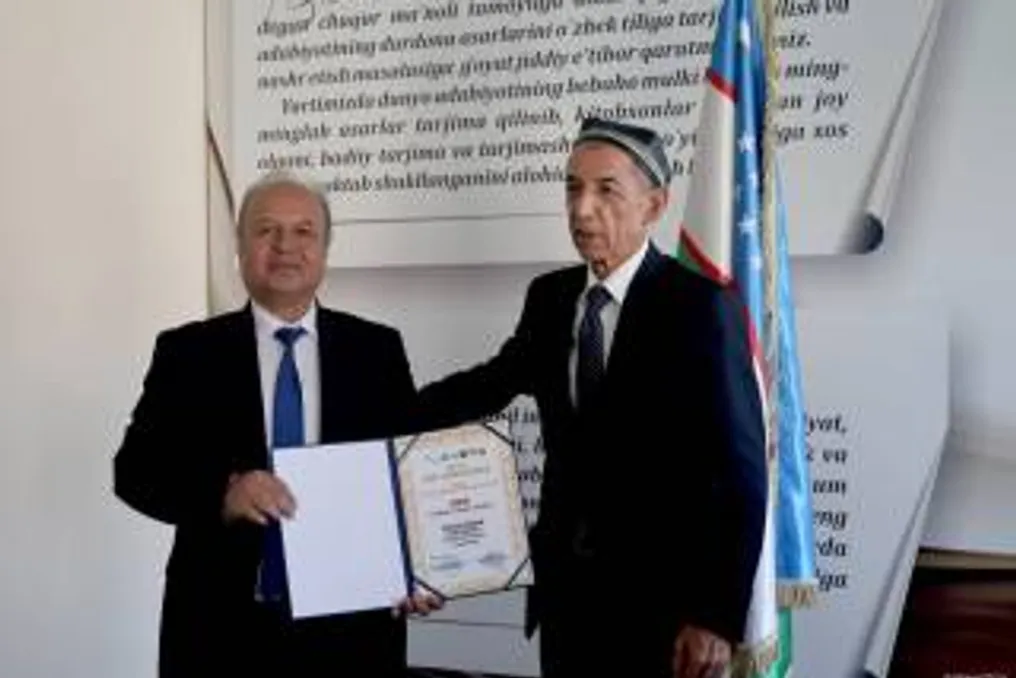
At the festival, national poets of Uzbekistan Sirojiddin Sayid, Usmon Azim, Khurshid Davron, as well as the national poet of Karakalpakstan Rustam Musurmon, were recognized. Additionally, creative figures Sirojiddin Rauf, Gairat Majid, Kutlibek Rakhimbayev, Salim Ashur, Shodi Otamurod, and Nargiza Asadova were awarded.
The Writers' Union of Uzbekistan traditionally presented awards for poetry, 'Poet Laureate', 'Golden Thuja', and 'Silver Thuja' to the festival winners.
The 'Silk Road' Festival confirms that the rich cultural heritage of the Great Silk Road continues to function as a spiritual bridge uniting peoples and represents a modern literary and cultural realization of friendship, solidarity, and creative cooperation between nations.
Improvement, freedom, and culture of life in mahallas are among the priority areas of state policy at present.
During a video selection meeting held on July 21, 2026, chaired by the President, important tasks were defined for creating a new system of 'mahalla yettiligi' activities and conducting 'Dolzarb 40-Day' events in the most needy mahallas.
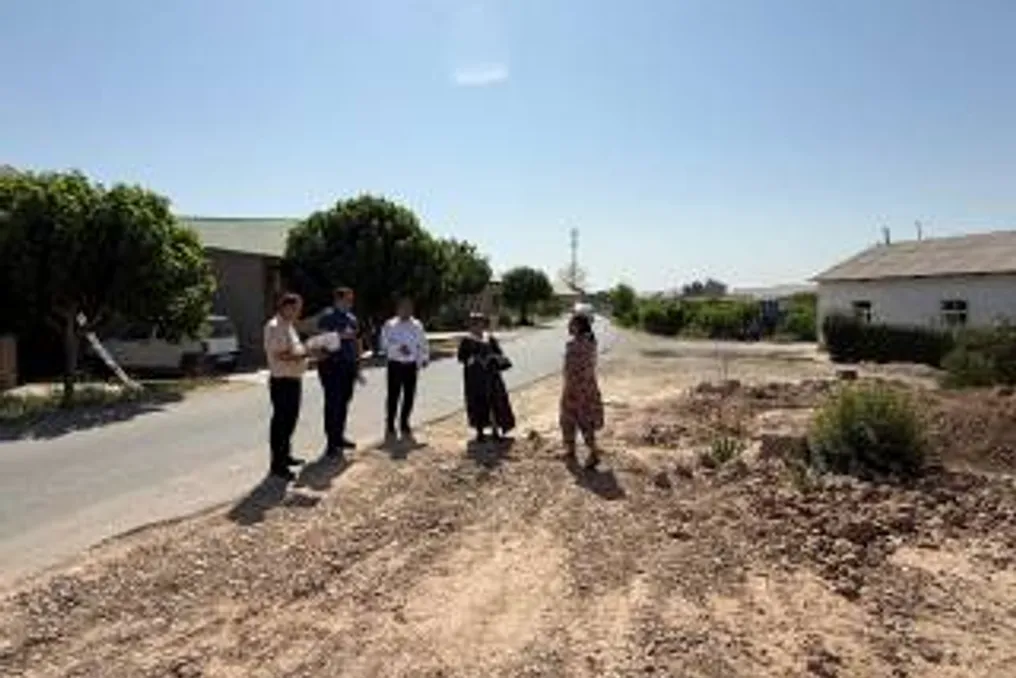
As part of fulfilling these instructions, the State Construction Bank (SKB) has begun implementing activities in the merged mahallas of the Surkhondaryo region. In particular, large-scale work is being carried out in the 'Sharafobod' and 'Yoqutli bog' mahallas in the Sariosiyo district, as well as in the 'Yangi Hazorbog' mahalla in the Denovsk district, aimed at improving living conditions, landscaping, and tidying up territories for the population.
Activists from the mahallas, educators, youth, representatives of 'mahalla yettiligi', and the general public actively participate in these events. Work is being done to improve streets and public places, clean roadsides and territories from household and construction waste, care for trees and plant new ones, as well as paint walls.
In addition, the bank organizes the introduction of exemplary projects that help increase the income of the population in other households.
The 'Dolzarb 40-Day' events contribute to strengthening citizens' sense of belonging, increasing solidarity, and enhancing the culture of life alongside improvement. These initiatives are gradually continuing in other mahallas merged with the State Construction Bank.