Uzbekistan authorities plan to allocate $463 million to support the livestock sector. These funds will be used to restore enterprises, increase meat and milk production, purchase breeding stock, and integrate digital technologies into the industry.
Uzbekistan authorities plan to allocate $463 million to support the livestock sector. These funds will be used to restore enterprises, increase meat and milk production, purchase breeding stock, and integrate digital technologies into the industry.
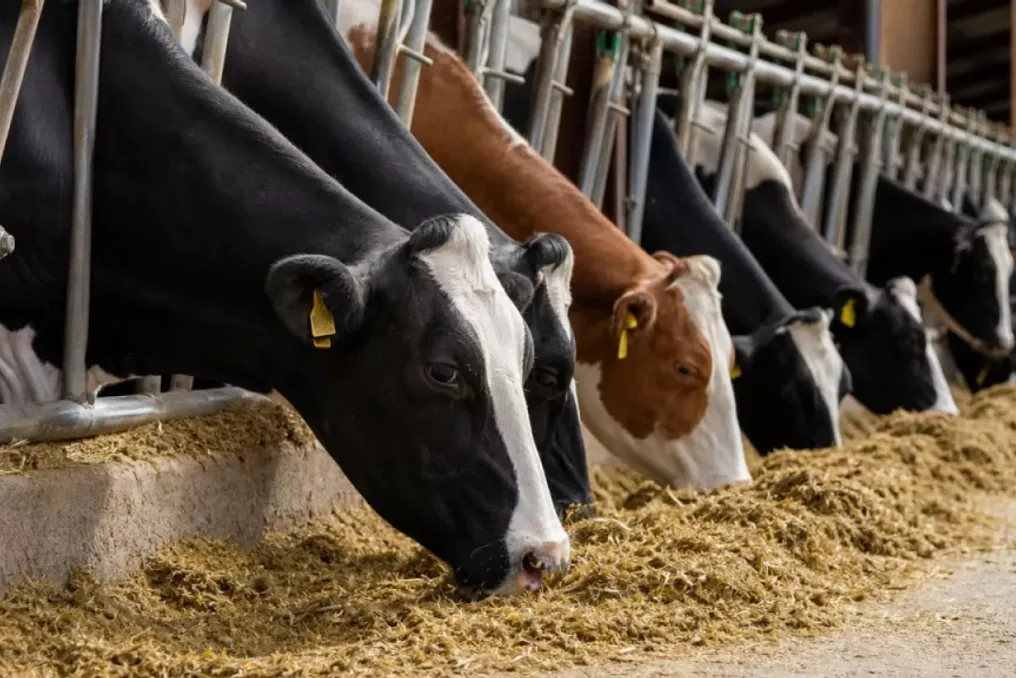
The relevant proposals were presented to President Shavkat Mirziyoyev. During the presentation, it was noted that the country's annual meat demand has reached 2.15 million tons, while current production stands at approximately 1.6 million tons. To eliminate this deficit, a livestock development program for the period 2026–2028 was developed, which provides for an increase in meat production by 190 thousand tons.
A key aspect of the program is the restoration of 103 livestock farms. For this, the possibility of restructuring existing debt or providing installment payments for up to ten years is provided, as well as the allocation of land plots for fodder cultivation and the provision of breeding stock to these farms.
Furthermore, in thirteen specialized districts, it is planned to increase the efficiency of using 75 thousand hectares of fodder land, finance small livestock initiatives, and open new sales points for feed and milk reception. In private farms, the construction of 11 thousand light cow sheds capable of housing 421 thousand head of cattle is planned.
A separate section of the program includes the implementation of 802 investment projects totaling 3 trillion soums. These projects will create conditions for housing over 68 thousand head of cattle and 186 thousand sheep and goats, ensuring an annual increase in meat production by 20 thousand tons and milk production by 120 thousand tons.
To increase the total herd size, Uzbekistan intends to import 150 thousand sheep from Mongolia, 100 thousand head of breeding cattle from China and European countries, and two thousand head of livestock from Belarus. This import is expected to lead to an additional meat production of about 44 thousand tons annually.
As part of the industry modernization, the Smart Fermer digital platform was presented. This system will allow farmers to identify animals, call veterinary specialists, receive advice on feeding and artificial insemination, and apply for subsidies and use AI-based advice.
Significant attention is being paid to the poultry sector. Projects worth $432 million are planned until 2028, which will allow for an increase in poultry meat output by 100 thousand tons, expand feed production capacity to 3.3 million tons, and improve modern slaughtering systems.
Following the presentation, the president instructed an analysis of the economic efficiency of all presented projects, guaranteed the targeted spending of allocated funds, and mandated the implementation of digital systems for monitoring and accounting.
It was previously reported that Uzbek authorities extended tax benefits for air transport of meat until the end of the current year, which were introduced in the spring to stabilize prices in the domestic market.
The new GWM Poer P30 Pro has been positioned as the lowest-cost diesel pickup truck available in the Brazilian market. This version, focused on professional use, has a listed price of R$ 205,000, which is R$ 15,490 cheaper than the Fiat Toro Volcano diesel.
The Pro model is part of the 2027 line of the Poer P30, which introduced curtain airbags as standard equipment on the Trail model. Furthermore, the entire line received a reinforced cabin to increase safety, while the top-of-the-line Exclusive version allows for the addition of a sunroof for an additional cost of R$ 3,000.
Specifically regarding the Pro model, it is distinguished by having black stamped steel wheels, as well as unpainted grille, mirrors, and door handles, and does not include a roof rack. Its mechanical set remains the 2.4 turbodiesel engine, which generates 184 hp and 48.9 kgfm, coupled with a nine-speed automatic transmission. The traction capacity is 4x4, equipped with a reducer and electronic locking on the rear differential.
Compared to the Trail version, the Pro edition omits some features, such as electric adjustment mirrors, front parking sensors, 360-degree camera, 12V socket, floor lighting, connected services, wireless charging, electrically adjustable front seats, heating, and ventilation.
Despite being a work-oriented version, it incorporates advanced functionalities such as the Level 2 ADAS package, automatic air conditioning, synthetic material upholstery, LED headlights, electronic parking brake, and a multimedia system with wireless mirroring.
The screens present on the digital dashboard and the multimedia center are smaller compared to other versions in the line, featuring 7 and 12.3 inches, respectively. The only color available for this model is glacial white.
The production of the GWM Poer P30 takes place in Brazil, utilizing welding and painting processes. The warranty offered covers 10 years for the engine, transmission, axles, transfer case, differentials, air conditioning system, steering box, and brakes; for other components, the coverage is 5 years.
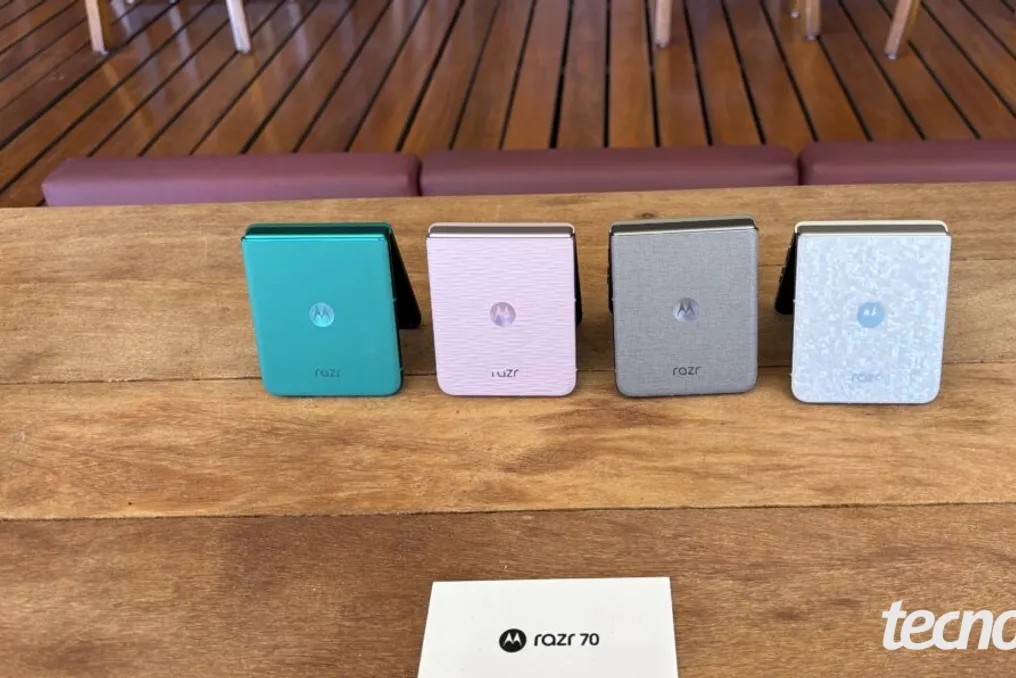
The Motorola Razr 70 with 256 GB capacity is available on Amazon for R$ 4,499 when paid via Pix. This foldable Motorola model features a flexible AMOLED screen with a 120 Hz refresh rate and 50 MP cameras, reaching its lowest price since its launch in April 2026, which corresponds to a 25% discount off the original price of R$ 5,999.
Regarding the cameras, the main setup of the Razr 70 consists of a wide lens with optical image stabilization (OIS) and an ultrawide lens with a 122-degree field of view, both at 50 MP and capable of capturing good images in outdoor environments. Additionally, the 32 MP front camera offers excellent results in selfies, and all video features record in 4K resolution.
The flexible internal AMOLED screen measures 6.9 inches, operates at 120 Hz, has a brightness of up to 3,000 nits, and features Pantone certification covering 100% of DCI-P3, allowing for the display of realistic colors with high fluidity during transitions, while also ensuring good visibility in various conditions. The 3.6-inch external AMOLED screen supports Always-On functionality to display notifications and provides access to quick controls.
The device is equipped with the MediaTek Dimensity 7450X processor and can utilize up to 24 GB of RAM through the RAM Boost feature, facilitating the execution of heavy applications in multitasking and the use of Moto AI functionalities. The 256 GB internal storage is sufficient to store a considerable amount of photos and videos.
Built with an aluminum body and titanium hinges, the Razr 70 is resistant to hundreds of open and close cycles, and it has an IP48 rating, guaranteeing protection against moderate dust and accidental immersion. The 4,800 mAh battery promises up to 36 hours of usage autonomy, as specified by Motorola. Furthermore, support for 30W fast charging allows the device to be recharged for a full day in just 15 minutes.
Running Android 16, the Motorola Razr 70 256 GB (available for R$ 4,499 via Pix) is expected to receive three operating system updates. The device also integrates 5G connectivity, Wi-Fi 6E, Bluetooth 5.4, and NFC.
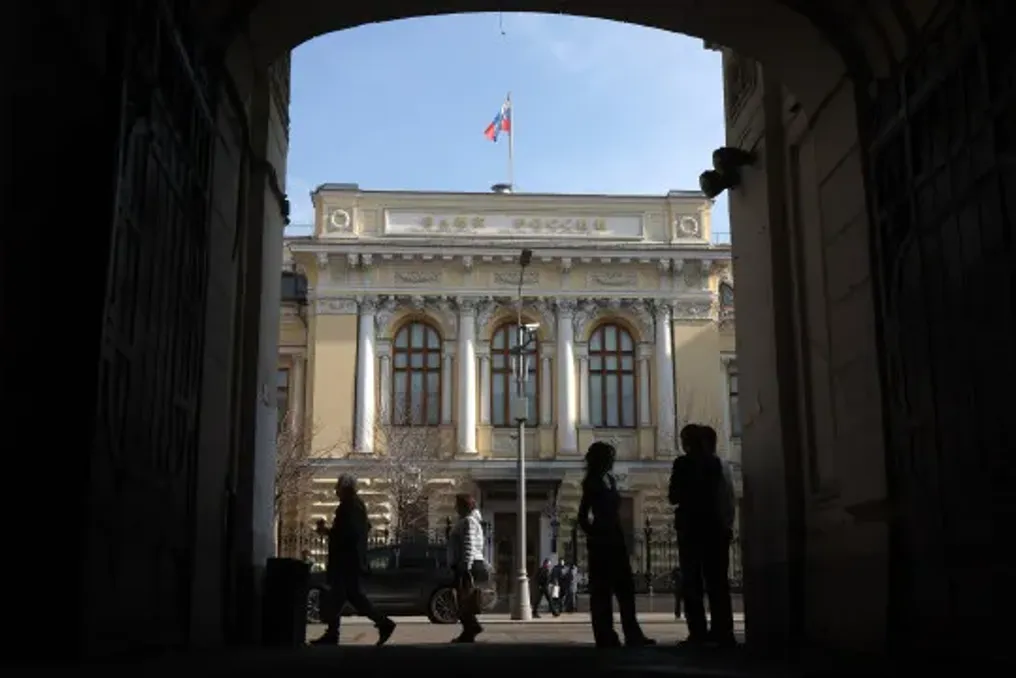
The Russian Central Bank has adjusted its economic growth forecasts, indicating that the Gross Domestic Product (GDP) will grow 0.1 percentage point below the estimate presented in April. The Russian regulator predicts that the national economy will register 0.5% growth during the third quarter.
However, the GDP growth projection for 2026 was reduced by 0.5 percentage points, now projected between 0% and 1%. This reduction is due, among other reasons, to the temporary decrease in productive capacity in certain segments of the economy. This occurs amid the fuel shortage crisis in the country, caused by Ukrainian attacks on oil infrastructure.
According to the regulator, current indicators point to a contraction in economic activity as early as July. Looking ahead, the Bank of Russia anticipates a gradual stabilization of the fuel market and a moderation in consumer price increases, while maintaining the current monetary policy with an interest rate of 14%.
Additionally, the bank calculated that inflation will remain between 6% and 7% until the end of the second quarter of 2026, after having shown acceleration in June and July, reaching the target of 5.9%.
The newspaper Kommersant reported a weak situation in both domestic demand and industrial production in the country, whose economy relies almost entirely on domestic orders, most of which are linked to the military sector given the current circumstances.
In mid-July, the Kremlin (the Russian presidency) refuted the idea that the country was undergoing an economic crisis, despite the contraction observed in the first months of the year. This denial led the Government to revise its growth expectation for the current year downwards, from 1.3% to 0.4%.
The budget deficit in the first half of the year reached 5.731 billion rubles (equivalent to 75.502 billion dollars or 66 billion euros), representing 2.5% of GDP, more than double what was recorded in the same period last year.
While economic authorities seek to manage the situation, the Kremlin prioritizes military spending and remains firm in its demands to Kyiv, after more than four years of war in Ukraine without significant advances on the battlefield.
In recent months, the United States suspended certain sanctions imposed on Russian oil following the invasion of Ukraine, which began in February 2022. This suspension aimed to control the rise in barrel prices driven by the conflict initiated on February 28 by the United States and Israel against Iran, which drew criticism from Ukraine and its European partners, who warned of the risk of the Kremlin increasing funding for its war effort amidst economic difficulties.
However, the US Congress is evaluating new restrictions against Russia focused on the hydrocarbon sector, proposing tariffs of up to 500% on its sales. The bill, named after Republican Senator Lindsey Graham, a supporter of Kyiv who recently passed away, also grants the US President the power to impose secondary tariffs of up to 100% on the largest buyers of Russian oil, including China and India.
The United States pioneered the imposition of sanctions on Moscow after the invasion of Ukraine, but Washington's stance changed with Donald Trump's return to the White House leadership in January 2025, seeking, without success so far, to mediate the conflict.
Meanwhile, the European Union continues to update penalties against Russia, having approved its twenty-first package of restrictions in July, alongside financial and military support offered to Kyiv.