The Governor of the Tashkent Region, Zoyir Mirzaev, inspected the improvement and construction works being carried out along railway lines in the Zangiota and Yangiyul districts, as well as in the city of Yangiyul itself.
The Governor of the Tashkent Region, Zoyir Mirzaev, inspected the improvement and construction works being carried out along railway lines in the Zangiota and Yangiyul districts, as well as in the city of Yangiyul itself.
He was accompanied during the inspection by heads of local, city, and district administrations of the region, representatives of relevant departments and organizations, members of neighborhood councils, and public activists.
Issues discussed included transforming quarters and streets located along the railway into model zones; bringing building facades into compliance with modern architectural requirements; eliminating illegal constructions; improving sanitary and hygienic conditions; expanding greenery; and effectively organizing mass events with public participation.
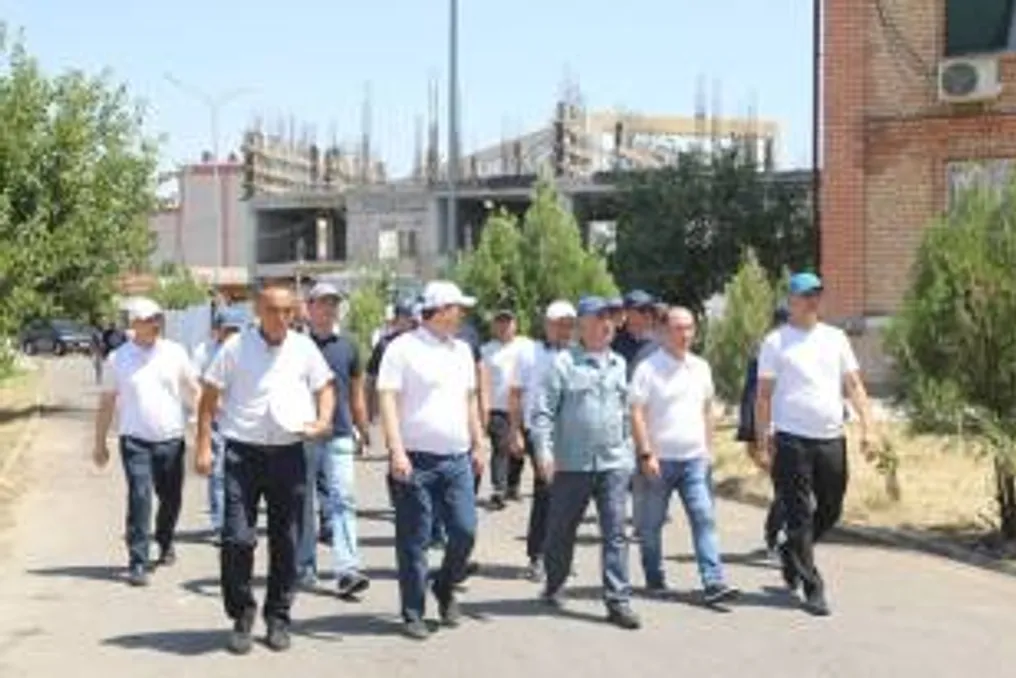
The head of the region personally walked along the railway lines to observe the current situation. Specific instructions and recommendations were given to the leaders regarding the work that needs to be carried out, taking into account the unique characteristics of each territory.
In particular, priority tasks were identified as maintaining cleanliness along the railway lines, forming facades in a unified architectural style, increasing the area of green zones, and creating a comfortable and safe environment for residents.
Additionally, an area where a modern pedestrian crossing is planned to replace a railway intersection causing traffic inconvenience in the S. Rakhimov – Urtaovol stations area in the Zangiota district was inspected. This project aims to ensure the continuity of traffic flow, reduce congestion, and increase safety for both drivers and pedestrians.
During the observations, the leaders were issued appropriate directives regarding the necessity of high-quality and timely completion of the assigned tasks, as well as a radical renewal of the appearance of the railway lines and the transformation of territories into well-maintained and model settlements.
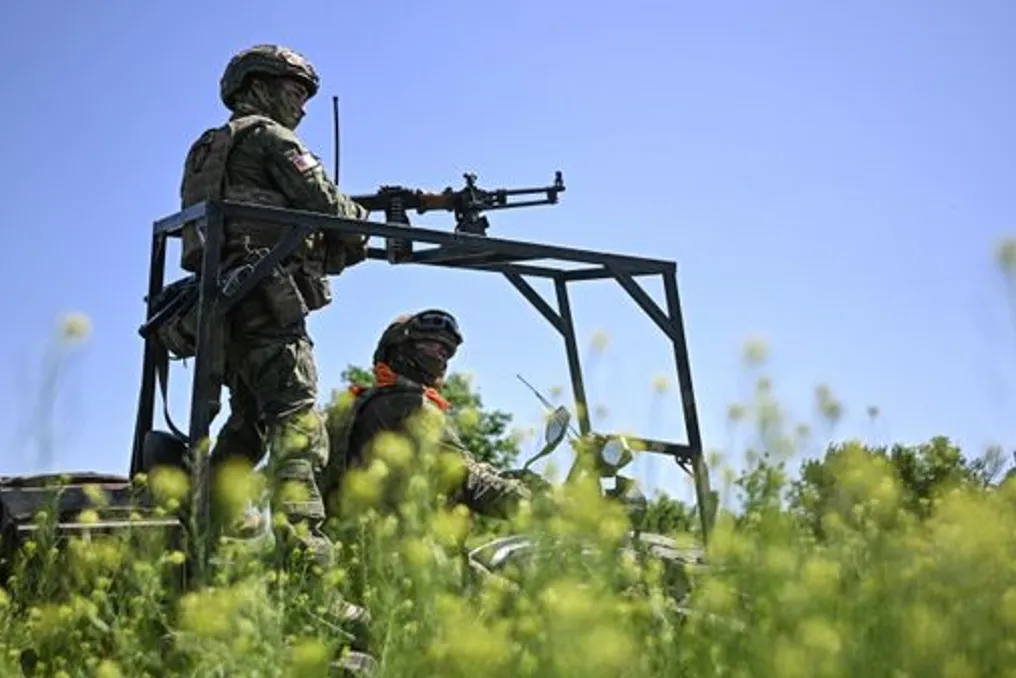
The 'Shimol' group established control over Baksheevka through active operations. According to the Ministry's data, the settlement came under observation thanks to the operations of the 'Shimol' group units.
During the reporting period, the group's units struck armed formations of Ukraine near the settlements of Cherkasskie Tyshky, Serdobino, Chernoe, Ivanovka, and Ustinovka in the Kharkiv region. In the Sumy region, personnel and military equipment of Ukrainian forces were destroyed in the areas of Ulanovo, Bunyakino, Ryzhevka, and Pisarevka.
The Russian Ministry of Defence reported that as a result of the actions of Russian forces, the Ukrainian side suffered losses of over 275 servicemen, two armored personnel carriers, 15 vehicles, five artillery pieces, and three electronic warfare stations.
Furthermore, the Ministry published a video demonstrating the disabling of substations supplying power to Ukrainian defense industry enterprises in the Sumy region using Russian unmanned aerial vehicles.
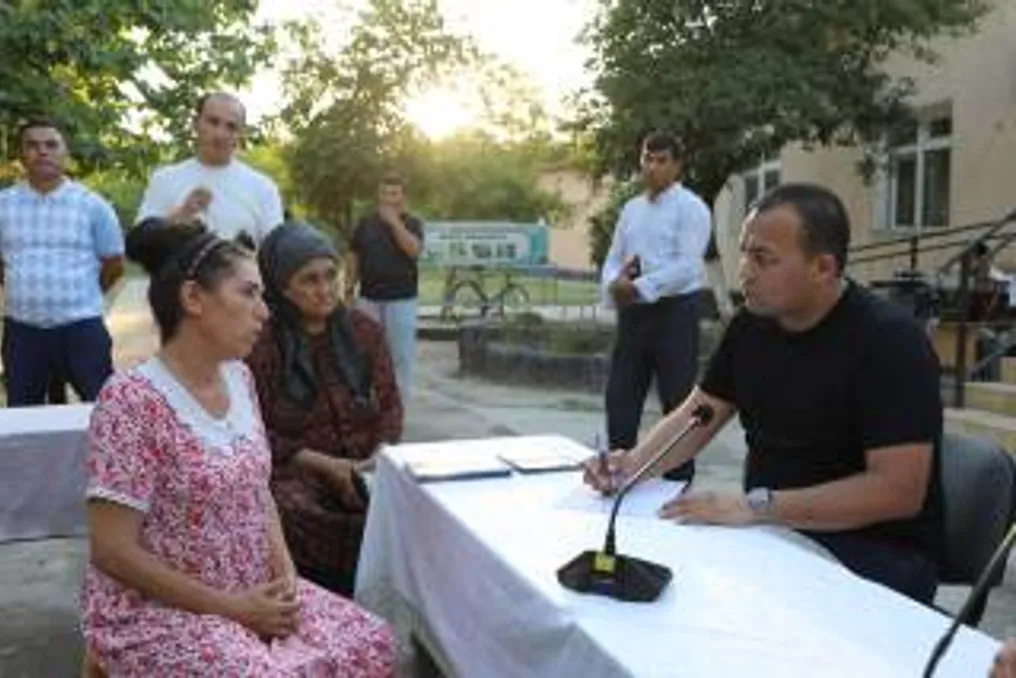
As part of an open dialogue with voters, the deputy of the District Council and the head of the district, Komiljon Mullajanov, participated in the event in the Ittifoq mahalla of the Saihunobod district. The event was organized at the building of the 36th general education school.
During the meeting, 37 appeals received from citizens were examined. As a result of the review, a positive decision was found for 11 of them directly at the meeting venue. For the remaining appeals, clear instructions were issued to the heads of relevant organizations, and their execution was placed under strict control.
Heads of state and public organizations, mahalla activists, and representatives of the general public took part in the event. The main goal of the dialogue was to directly hear the problems causing concern among the population, study them on site, and find an operational solution.
Citizens voiced their suggestions and complaints regarding important issues such as housing provision, access to drinking water and electricity, the condition of road infrastructure, employment, social protection, quality of utility services, and other current issues. Each appeal was thoroughly discussed with the participation of responsible persons, and specific tasks for their resolution were defined.
Komiljon Mullajanov emphasized that resolving 11 appeals on the spot is a practical example of a quick and effective approach to residents' problems. Regarding the other appeals, deadlines for execution have been set for the responsible persons, and constant monitoring is maintained over their fulfillment.
The district head stated that such open meetings are held not for formality, but to listen to the concerns of the population, study problems on site, find a way out for every appeal, and provide practical assistance to citizens. He noted that every appeal is under scrutiny because behind each problem lie the interests and fate of a person. Mullajanov added that simply hearing a problem is not enough; the most important task is to find a practical solution and achieve results.
It is emphasized that an open and sincere dialogue with the population, timely consideration of appeals, and the search for legal and fair solutions to all issues are among the key areas of activity of state bodies. This is because behind every appeal lie the fate of a person, the interests of a family, and faith in the future.
The country is implementing systematic reforms aimed at ensuring transparency in foreign economic activities, protecting state economic interests, and fully collecting customs payments. Special attention is paid to enhanced customs control at state borders, which allows for thorough verification of the legality of each cargo batch and the accuracy of accompanying documentation.
This strengthens the prevention of economic offenses and the timely suppression of illegal actions by participants in foreign trade. Thanks to such prompt and effective control measures, a recent attempt at a violation was uncovered at the 'Olot' customs post in the Bukhara region.
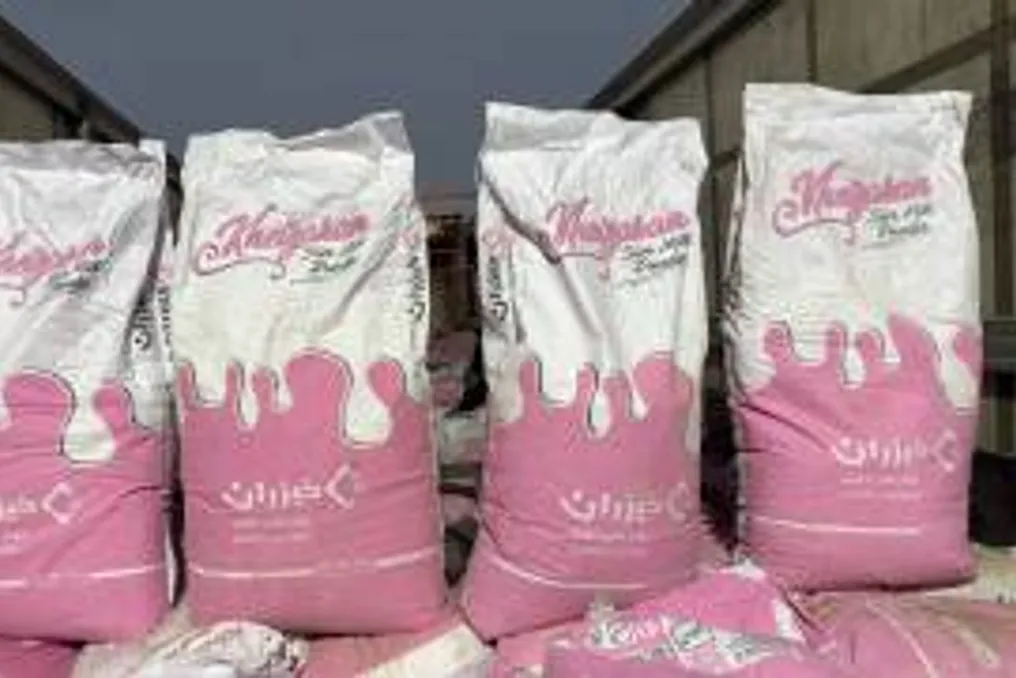
According to available information, the accompanying documents for the imported goods indicated that they were powdered dry milk. However, customs inspectors suspected something was amiss regarding the actual composition of the cargo and conducted an inspection according to established procedures.
During the thorough inspection, it was established that the information provided in the documents was not accurate. The inspection revealed that the cargo actually consisted of 25 tons of dry milk. Thus, an attempt to reduce customs payments by changing the product name and evading the payment of funds due to the state budget was prevented.
This is another practical proof that customs authorities effectively use risk analysis methods, in-depth document study, and modern control tools. The total value of this batch of goods corresponds to initial estimates of 875 million soums. Investigative measures are currently underway in this case, and appropriate measures will be taken in accordance with established legal norms.
Today, the main task of customs authorities is not only to process goods but also to ensure economic security, protect state interests, and create equal competitive conditions for honest entrepreneurs. Therefore, any identified violation is considered an important result in strengthening economic order and protecting the interests of the state budget.
This case, discovered at the 'Olot' customs post, once again confirmed the high responsibility and professionalism of customs service employees, allowing a major economic offense to be prevented. Effective control measures at state borders continue to play an important role in ensuring the country's economic security, strengthening the rule of law, and guaranteeing the legality and transparency of every foreign trade operation.