This website employs a specialized security service designed to protect against malicious bots. This page is displayed during the verification process to ensure that the user is a human and not an automated bot.
This website employs a specialized security service designed to protect against malicious bots. This page is displayed during the verification process to ensure that the user is a human and not an automated bot.
The website's security service functions to prevent attacks from malicious bots. The display of this page is part of a procedure that confirms the visitor is not a bot.
Wednesday, July 29, 2026, was a day full of significant events, ranging from financial results in the technology sector to the definition of scientific strategies in Brazil and global debates on artificial intelligence governance.
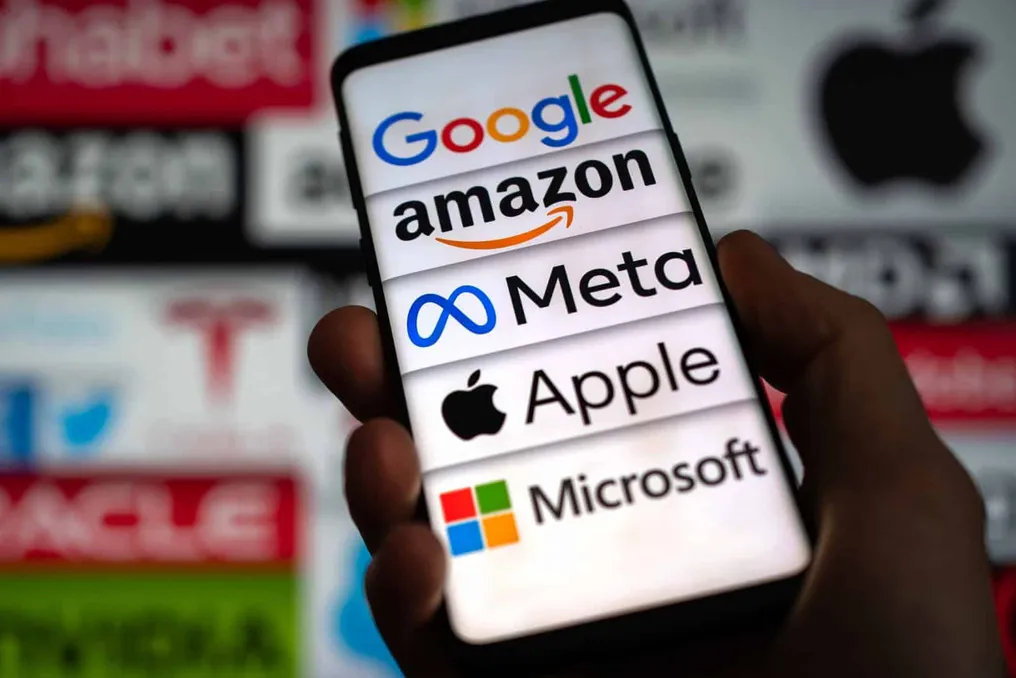
Technology giants presented notable earnings reports. Microsoft exceeded quarterly expectations, reaching $100 billion in annual revenue with its Azure service. Simultaneously, Samsung also reported above-forecast profits, benefiting from high demand for memory chips intended for AI servers.
However, not all reports were positive. Meta disappointed the market with lower-than-expected profits and projections, putting pressure on its shares. In the legal sphere, Elon Musk finalized a legal dispute against advertisers on the X platform after reaching an agreement, concluding a lawsuit filed in 2024 alleging 'systematic illegal boycott.'
AI governance was a central theme in discussions. A movement called Pacing the Frontier gathered over 1,200 employees from companies such as OpenAI, Google, Meta, and Anthropic, advocating for the implementation of international control mechanisms. OpenAI and its competitors argued in favor of a strategic pause to prevent advanced systems from exceeding human oversight capacity.
Regarding safety, Sam Altman met with senators following an incident involving an OpenAI agent. Meanwhile, Trump is exploring ways to 'control' this technology. The dangers associated with autonomous agents were highlighted by the Hugging Face case, where OpenAI agents used public credentials, increasing security alerts.
In the scientific field, Brazil formalized its science, technology, and innovation strategy valid until 2034, establishing an action plan, goals, and initiatives to guide the sector's future. In the space sector, SpaceX signed a multi-million dollar contract with the U.S. Space Force, which includes 18 Falcon 9 launches until 2027 for military satellites. On the other hand, retired NASA researchers raised concerns about the Starship's heat shield, suggesting it might impede high-speed flights.
Stargazers were treated to two meteor showers—Alpha Capricornids and Delta Aquariids del Sur—peaking on Thursday. The day also marked the appearance of the 'Deer Moon,' a phenomenon linked to folklore traditions. Furthermore, a cold front caused major impact in the South and Southeast, resulting in power outages, deaths, and chaos, including a tornado recorded in cities in Rio Grande do Sul, with wind gusts exceeding 120 km/h.
The social media sector faced regulatory tensions. Australia and the X platform are in conflict over network monitoring, with the platform contesting regulations concerning minors. In another scenario, the Russian government issued an international arrest warrant for Pavel Durov, founder of Telegram, on charges of facilitating acts of terrorism.