Transplanting gut bacteria allowed six people with severe peanut allergies to tolerate small amounts of the product. The results, published in the journal Science Translational Medicine, may open a new path for treating food allergies.
This study is the first evidence in human trials that the gut microbiota can be used to attempt to reduce allergic reactions. Before the procedure, all fifteen participants reacted to small doses of peanut protein and could not consume more than 100 milligrams without symptoms, which is less than half a peanut.
Four months after the transplant, six volunteers showed improvement. One of them was able to tolerate 300 milligrams of protein, while the other five reached a level of 600 milligrams or higher, which is about two and a half peanuts.
This result received significant attention because currently, people with severe allergies must completely avoid this product and constantly carry injectable adrenaline in case of accidental contact.
The idea for the work arose after studies linked food allergies to changes in gut bacteria. It is hypothesized that these microorganisms help regulate the immune system's response.
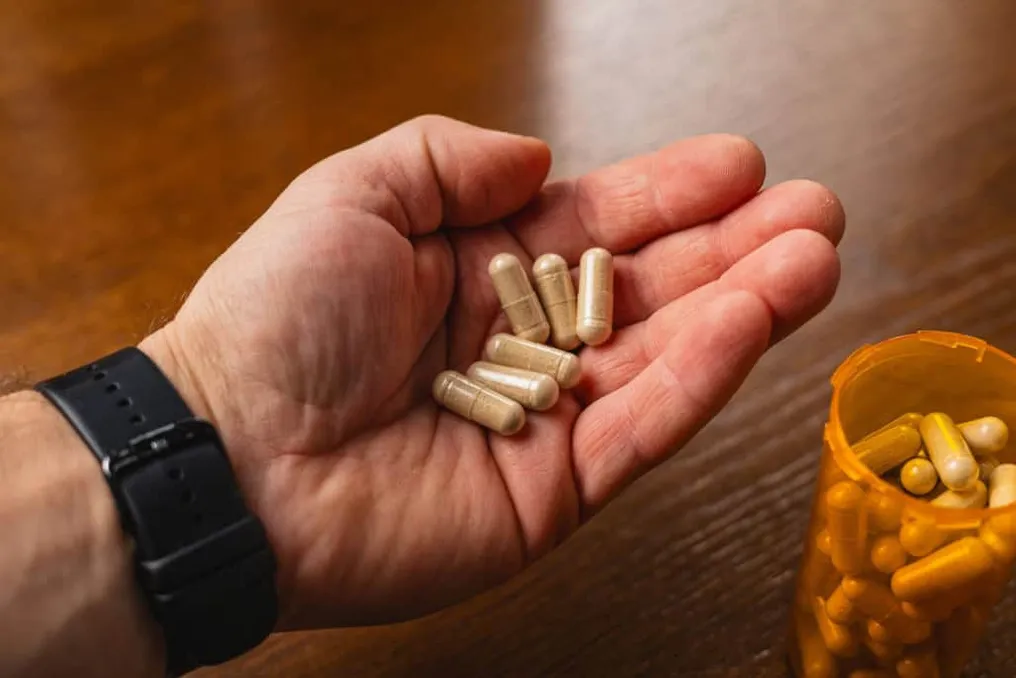
During the experiment, participants were given tasteless and odorless capsules containing gut bacteria collected from healthy volunteers who were not allergic to peanuts. Most took 36 pills in one day. Five participants also underwent an antibiotic course for four days before the procedure.
Nine people did not show improvement. The scientific team proposes several possible explanations, but the researchers believe that the observed response justifies further stages of study, despite the differences between participants.
To better understand the mechanism of action of this method, scientists transplanted bacteria from participants into mice and analyzed the animals' reaction to egg white.
More about the results
Mice that received bacteria from people who improved their condition in the study were protected against developing egg allergies. This finding suggests that the effect may not be limited only to peanuts.
During the analysis, the team identified a protective species in the animals: Bacteroides ovatus. The discovery of microorganisms capable of reducing the excessive immune response is one of the main goals of this field of research.
Despite the positive results, gut bacterial transplantation is still at the experimental stage and is not available to patients. The team is already preparing a new, larger clinical trial to determine which bacteria have the best effect and who has the highest chance of a positive response to the procedure.
In the next stage, participants will receive a dose of bacterial cocktail approximately 12 times larger than in the first study, and the application will be distributed over a month instead of being concentrated in just one day. This work strengthens the research direction aimed at using gut microbiota as a potential tool in controlling food allergies.