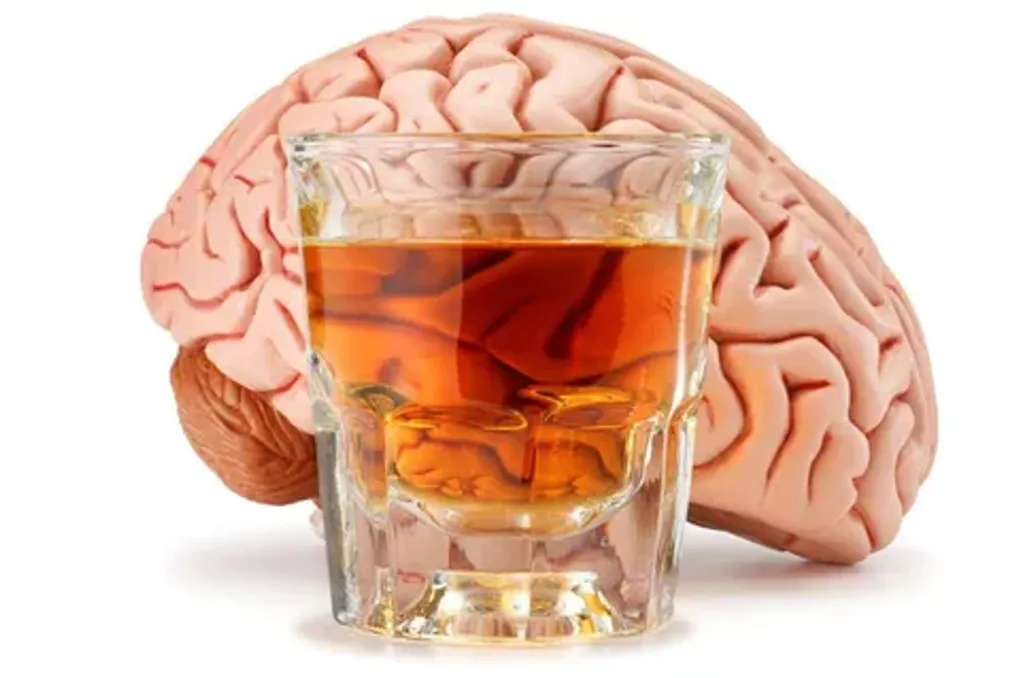
Alcohol is one of the most common addictive substances in the world, bringing pleasure due to a combination of pharmacological and social factors. According to the National Survey on Drug Use and Health for 2024, nearly 80 percent of Americans over the age of 12 reported having consumed alcohol at some point in their lives.
However, as George Kubb, director of the National Institute on Alcohol Abuse and Alcoholism at the National Institutes of Health, notes, there is no 'free pass' in the brain. Studies show that over time, alcohol can alter the brain, causing a reduction in gray matter volume. Even relatively low doses can increase anxiety and depression, disrupt sleep, and over time raise the risk of dementia, in addition to increasing the risk of diseases such as breast cancer and colorectal cancer.
Nevertheless, there is growing evidence that the brain is capable of recovering to some extent when alcohol consumption is reduced or completely stopped.
What alcohol does to the brain
According to McCollop, alcohol causes a 'cocktail of pharmacological effects' that can initially be stimulating and then sedative. With the first sips, alcohol can cause an 'euphoric intoxication' because it triggers the release of endorphins—the brain's natural opioid molecules that activate dopamine neurons in the reward system.
Simultaneously, alcohol enhances inhibitory neurons and weakens activating neurons, which in the short term reduces stress and anxiety. However, as Kubb explains, when the effect of alcohol wears off, the stress systems return with double the force.
McCollop asserts that 'the brain adapts to the constant presence of alcohol,' leading to changes in the chemical composition and structure of the brain. As alcohol consumption increases, people need more to achieve the previous level of pleasure because the reward systems become less sensitive. Furthermore, the brain's stress systems, including the amygdala, are constantly activated, leading to a chronic negative emotional state.
As a result, people start drinking less to feel better and more to feel less bad. Upon repeated use, temporary changes can transition from short-term to long-term and potentially irreversible. Studies demonstrate that individuals with alcohol use disorder show a reduction in gray matter volume in frontal cortical areas important for perception, emotions, and executive functions. The most severe cases, associated with decades of excessive consumption, can lead to alcoholic dementia and the inability to form new memories.
Kubb, who wrote a review in 2024 on treatments for alcohol use disorders, noted that with prolonged excessive consumption, 'neurons in the prefrontal cortex can actually be destroyed,' which is critical for higher executive functions, including suppressing cravings for alcohol. Even moderate alcohol consumption has affected the brain. A 2022 study involving over 25,000 people showed less overall gray matter volume in those who drank seven or more drinks per week compared to those who consumed less. A systematic review in 2024, including 27 neuroimaging studies, established a link between low and moderate alcohol consumption and smaller brain volume and cortical thickness, although to a lesser extent than with heavy use. McCollop concludes: 'The sensible rule is that the changes in the brain depend on the dose of consumption.'
How reducing alcohol intake changes the brain
The good news is that, according to McCollop, 'there is growing evidence of brain function recovery and improvements in each of these areas.' Like alcohol, reducing or completely stopping it can also change the brain. A systematic review in 2024, based on 16 studies, showed that individuals with alcohol use disorder who abstained from alcohol recovered many cognitive functions, including attention, memory, and executive functions, usually within 6–12 months.
According to a 2022 review of neuroimaging studies, individuals with alcohol use disorder who stopped drinking showed overall recovery in the prefrontal areas of the brain with increased gray matter. The greatest changes occurred relatively early, within the first month of abstinence. Studies also show that even reducing alcohol intake to a low level without complete abstinence increases cortical brain volume.
Although it is unclear if complete recovery from alcohol use disorder is possible, McCollop points to evidence that the brain can 'develop compensatory strategies and functioning.' It appears that the recovery is happening in the brain areas that are disrupted or become dysfunctional due to alcohol. McCollop emphasizes: 'This is good news: the brain is changed by alcohol, but it can also recover.'
There is less research on how the brain recovers after light alcohol use, as the harm is not as great if consumption is responsible. Nevertheless, participants in challenges to quit or reduce alcohol consumption, such as 'Dry January' or 'Alcohol-Free October,' report feeling better after cutting back. Researchers found that participants noted improved overall well-being, including weight loss, better sleep, saving money, as well as increased energy and concentration. Registering for such events can contribute to improved brain function.
How to self-assess and manage alcohol consumption
Understanding the consequences of alcohol consumption for health and the brain does not necessarily mean complete abstinence; both Kubb and McCollop occasionally enjoy a glass. McCollop notes that there are many reasons to derive pleasure from alcohol, such as as a social lubricant or a complement to food, and this does not mean that people who drink are crazy.
However, experts advise paying attention to how alcohol affects a person's life: does it interfere with studies, work, relationships, or health? McCollop also finds it useful to consider one's own values and how alcohol consumption aligns with them. He asks: 'Is this highly compatible with your highest values, or does alcohol consumption prevent you from becoming the person you want to be?'
If a person doubts their consumption, McCollop warns that this may be a sign of problematic levels of use, and they should consult a healthcare professional. The good news is that there are numerous scientifically supported strategies for managing alcohol consumption across the entire spectrum of its use, including psychological therapy and medication. Participating in 'Dry January' or 'Alcohol-Free October,' as well as the 'mindfully curious about sobriety' movement, can help reduce alcohol consumption and gain health benefits even after the monthly challenge ends.
Alcohol reduction apps, such as Sunnyside or Reframe, can remind users of daily tasks and connect them with a wider community of people trying to cut down. The National Institute on Alcohol Abuse and Alcoholism provides additional resources on its Rethinking Drinking website, and its Alcohol Treatment Navigator helps people find treatment facilities nearby. Kubb concludes by saying: 'If you stop drinking and feel better, I always say: listen to your body, because it is trying to tell you something.'