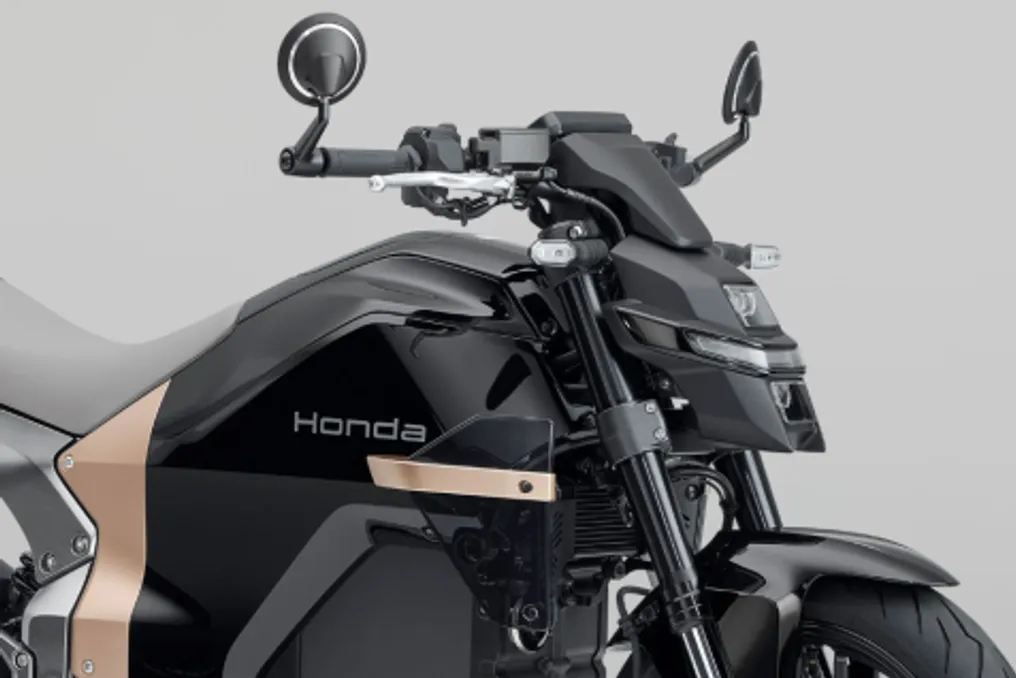
Honda, the Japanese manufacturer with various globally electrified models, has decided to remain cautious regarding the launch of electric motorcycles in the Brazilian market, despite recently registering the patent for the UC3 in the country.
Although Honda is the world's largest motorcycle brand and possesses internationally electrified models, none of them are currently on sale in Brazil. This hesitation contrasts with Yamaha, its main competitor, which has had a fully electric motorcycle available in the national territory for over a year.
In response to questions about its electrification plans, Honda confirmed rumors that it does not currently intend to introduce electrified motorcycles in Brazil. The company recognizes the potential of the Brazilian market for electrification but points out that several factors influence the definition of a national strategy.
According to the manufacturer itself, introducing new technologies is a continuous process guided by the policy of providing the appropriate technology, in the right place, and at the opportune time. Factors such as the country's energy matrix, public infrastructure, geographical market specifics, and consumer profile are considered in this strategy.
Learning from others' mistakes
This cautious stance suggests that Honda wishes to avoid the errors made by rivals, such as Yamaha. Although Yamaha was a pioneer among the four major Japanese manufacturers (Honda, Yamaha, Kawasaki, and Suzuki) in launching a 100% electric motorcycle in Brazil, the commercial results have not been satisfactory.
Data from the National Federation of Automotive Vehicle Distribution (Fenabrave) indicates that Yamaha is not among the leading distributors of electric motorcycles in the country and has not achieved prominence among the top 15 best-selling brands in the category since the beginning of the year.
Although other companies, such as Shineray and Watts, specializing in electrified vehicles, present a larger portfolio of electric models, it was expected that one of the largest global manufacturers would stand out with its product. A motivational factor cited for Yamaha's modest performance is price; in April of this year, the brand reduced the value of its only electric motorcycle in Brazil by R$ 8 thousand, from R$ 33,990 to R$ 25,990, and today it costs R$ 25,590.
Although the exact sales figure for the Yamaha Neo’s Connected is unknown, the ranking suggests that fewer than 138 units have been licensed since the launch, a volume lower than that achieved by the ninth-placed brand just this year.
Honda's future prospects
Despite the temporary resistance, Honda keeps the door open for Brazil. The company stated that it recognizes the market's potential and will continue to investigate solutions that best meet the needs of the Brazilian consumer.
Honda demonstrated an optimistic vision, stating that 'everything is possible.' This aligns with the manufacturer's global plan to achieve net-zero carbon emissions by 2050, setting an implicit deadline for the arrival of electric motorcycles in Brazil.
The company concluded that the pace of introducing electric models varies according to the market and will continue to work on both fronts with the goal of strengthening the role of motorcycles and their environmental products that meet customer expectations.