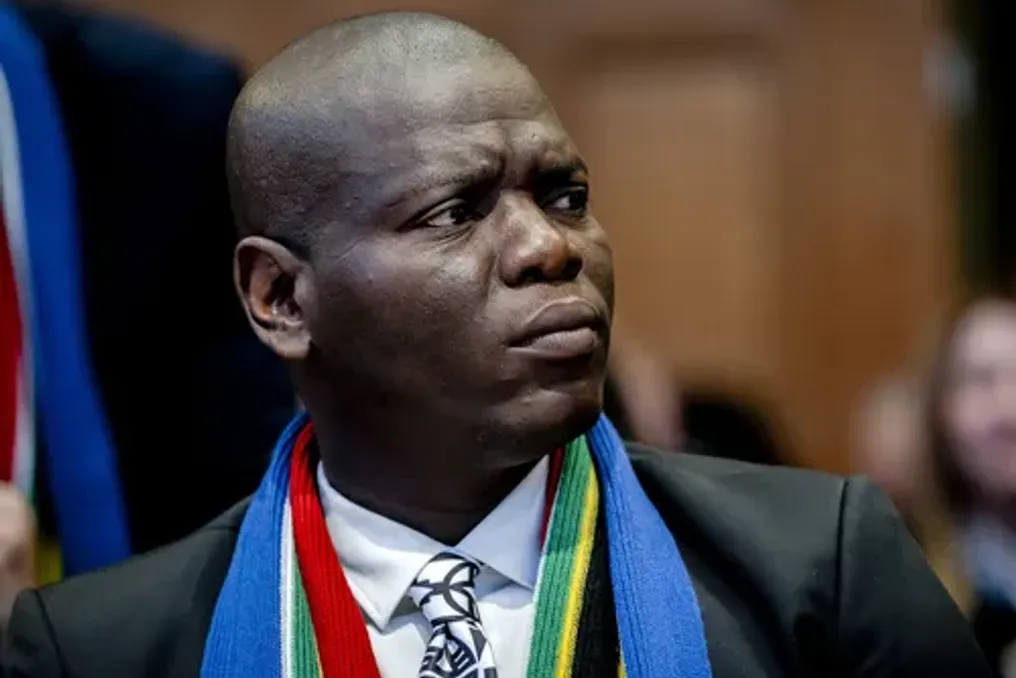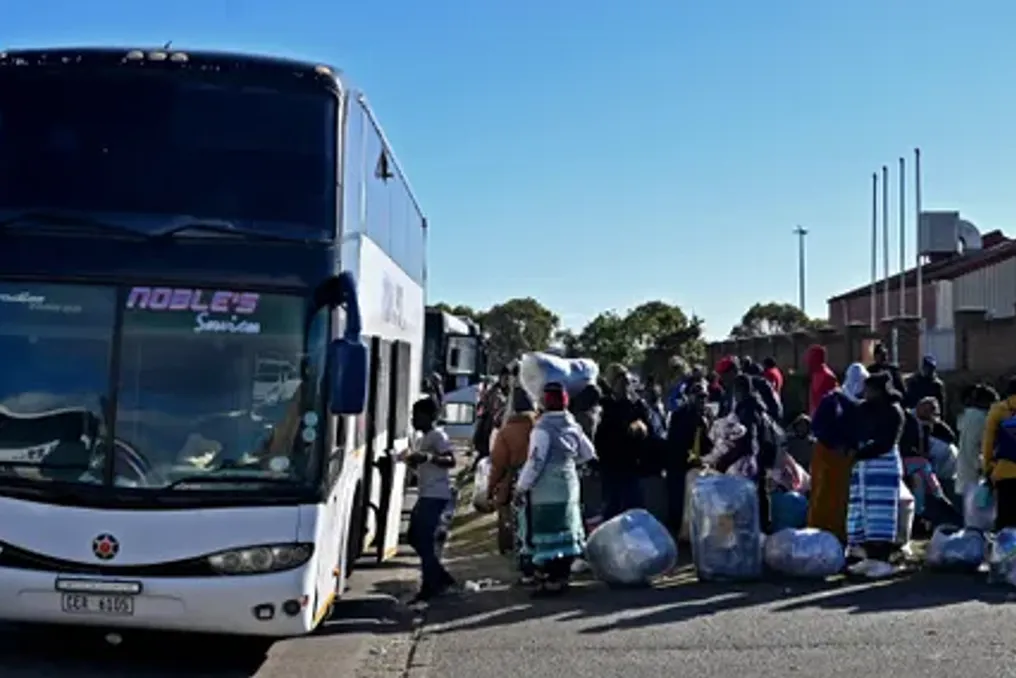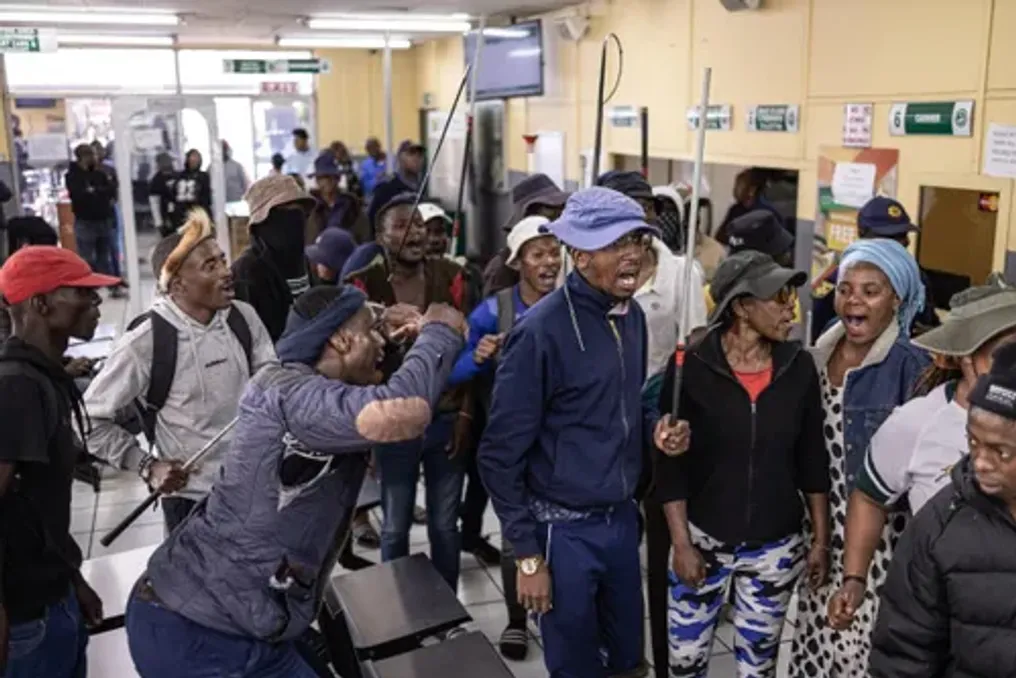
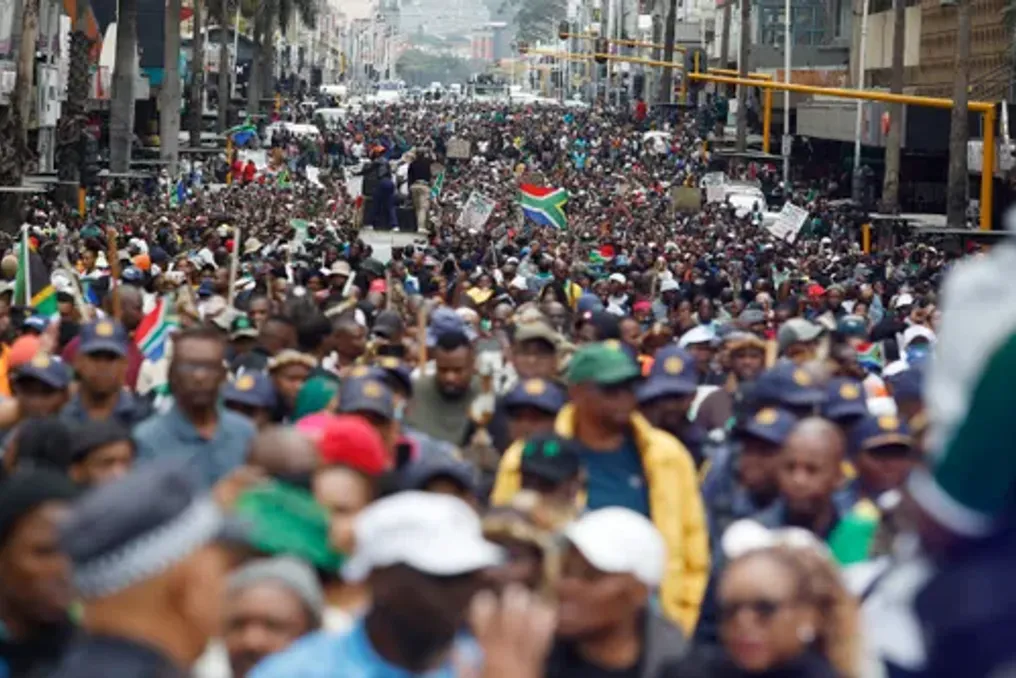
The migration crisis has caused deep social upheaval across the country, especially in major cities like Johannesburg and Durban. The overall systemic problem in South Africa is so profound that daily life is fraught with explosive issues, making the country extremely unstable.
Roots of the socio-economic crisis
Despite the complexity and entanglement of the immigration issue, which has international implications, particularly in relations between South Africa and other African states, the socio-economic aspect is the most acute. Mass demonstrations and protests across the country have only exacerbated a long-standing crisis. Unemployment, poverty, and social inequality have reached their worst levels in South Africa today, according to the author, including the post-apartheid period starting in 1994.
Conflict within communities
The author believes that the socio-economic crisis in South Africa, especially in black townships, has roots dating back to 1910, when the Union of South Africa was formed under the principle of white exclusivity. The crisis that led to the marches in 2024 was driven by the fact that Black South Africans were struggling to make ends meet in their settlements. However, according to the analyst, the main problem in combating African migrants was that it was misdirected, as most of these people were also fighting for survival amid intense competition in small business markets or spaza shops in poor black townships.
Tragedy of violence and call for reflection
There is an opinion that the conflict represented a clash between one part of the struggling Black working class and another. Nevertheless, the tragedy of violence and the murder of migrants in recent weeks is linked to accusations of migrant opportunism and crime from the Black population, who robbed migrant spaza shops. The author emphasizes that all stakeholders must urgently conduct a sober analysis, as such a terrible tragedy should never have happened. Black South Africans involved in attacks, robberies, and murders should feel deep remorse for the cruelty inflicted upon African migrants, regardless of their documentation status.
Political future and radicalization
The intensification of the anti-migration crisis has only deepened the multifaceted crisis that has existed for over ten years. Serious questions arise about events in South Africa after 1994, specifically why only Black African migrants were attacked and not migrants of European descent. The analyst predicts that the growing socio-economic crisis, which will worsen the migration issue, will lead to the radicalization of South African politics. This is because the level of poverty, unemployment, and social inequality among the Black population today is higher than during apartheid.
Role of political parties
Ideas of radical economic transformation promoted by parties such as the EFF and MK Party are likely to become more active solutions. These parties have repeatedly emphasized more radical provisions of the Freedom Charter, including the nationalization of mines, land, and other key economic sectors. The main question is whether they will continue to push these radical ideas in the future, especially before and after the upcoming local elections. The author believes this will happen given the deteriorating situation in black townships and municipalities. The main factor is that the lives of most of the Black working class in the townships have become increasingly difficult over the last ten years, which is clearly demonstrated by the current rise in the cost of living.
Leadership crisis and infrastructure
South Africa faces a serious multifaceted crisis, including an obvious lack of strong leadership, which has led to a long-term leadership crisis. The author sees no strong or visionary leaders among the existing political forces, which may explain the decline in voter registration and turnout. Currently, conditions in black townships and cities are very poor, and basic municipal infrastructure is in terrible condition across the country, with the exception of a significant part of Cape Town. However, the situation in the black townships and informal settlements of Cape Town does not differ significantly from the conditions that existed when the DA took office in 2006 and during apartheid.